Is Heat Causing Your Masonry Cracks in El Paso? How Thermal Movement Is Diagnosed
Summary
El Paso heat can contribute to masonry cracking, but temperature alone does not prove the cause. A useful diagnosis compares sun exposure, material behavior, crack changes, movement-joint condition, and other possible sources of movement. The repair should explain what is moving, why restraint matters, and how the proposed work preserves or restores the wall’s ability to accommodate movement.
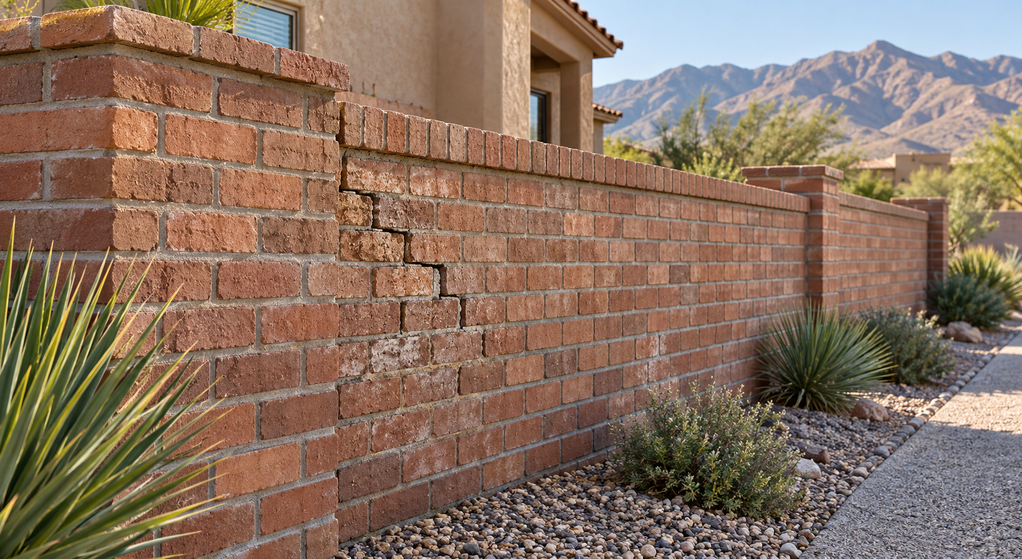
A crack that reappears after patching raises a more useful question than “Was the wall hot?” The question is what is still moving. El Paso sun exposure matters, but temperature should be tested against the wall material, crack pattern, joint layout, and other possible causes before the repair is blamed on heat.
Masonry construction and repair services in El Paso provide a starting point for assessing the wall. El Paso Concrete Contractors offers local masonry services, but a thermal diagnosis should explain why heat fits the observed evidence rather than using the climate as a default answer.
Question 1: Does the Crack Pattern Match the Wall’s Temperature Exposure?
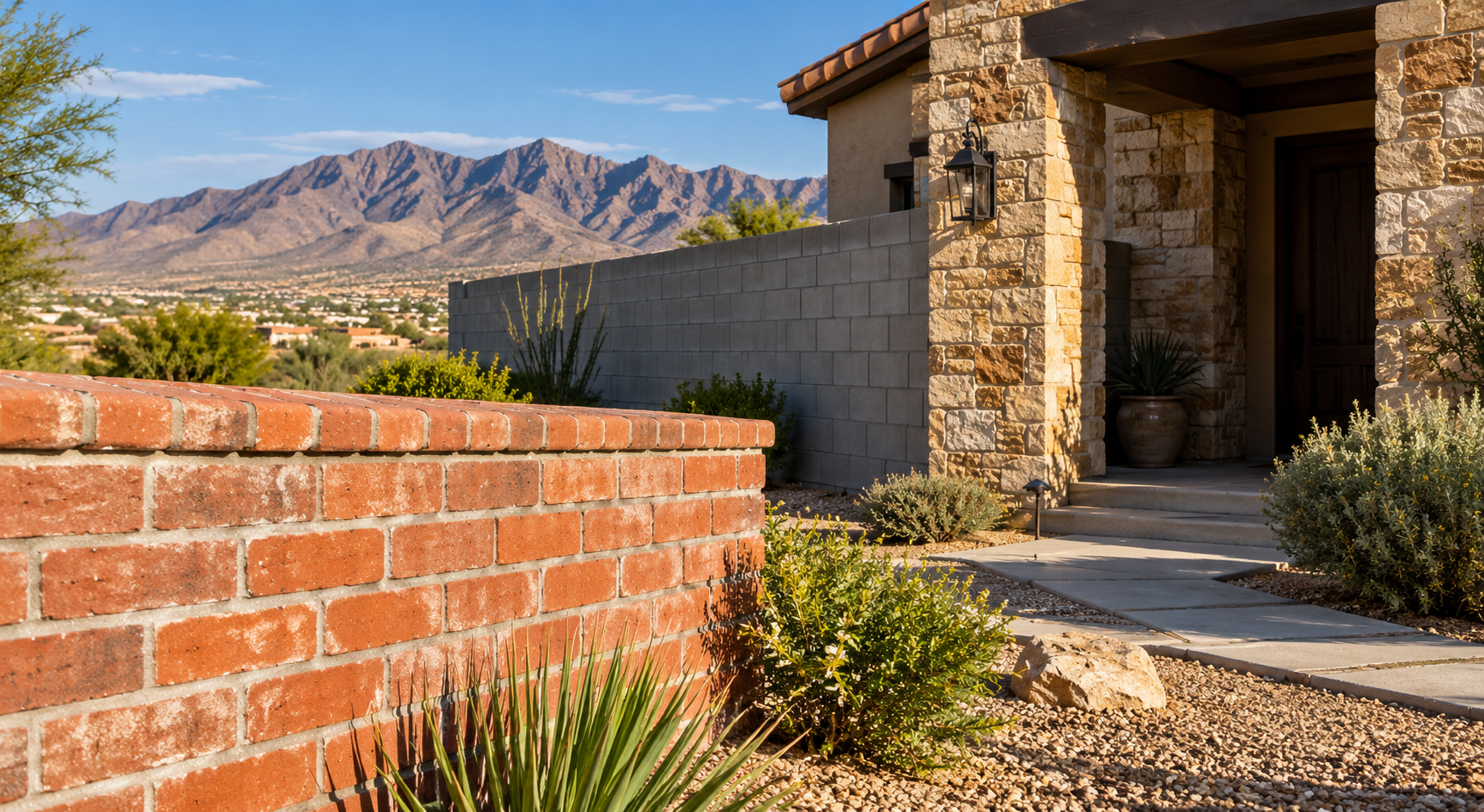
Compare sun-exposed and shaded portions of the same wall. Record wall orientation, color, nearby shade, and the time of day the damaged section receives direct sun. Movement accumulates over wall length, so long uninterrupted runs and transitions between shaded and exposed sections deserve attention.
Take a wide photograph and close-ups with a ruler. If safe, repeat the photographs from the same positions during different conditions. A crack that appears to vary with temperature gives an assessor useful evidence, but that observation alone still does not prove thermal movement caused it.

Question 2: What Material Is Actually Moving?
The Brick Industry Association’s guidance on volume changes and movement explains that brick masonry movement can result from temperature, moisture, elastic deformation, creep, and other factors, and that restraint can create cracking.
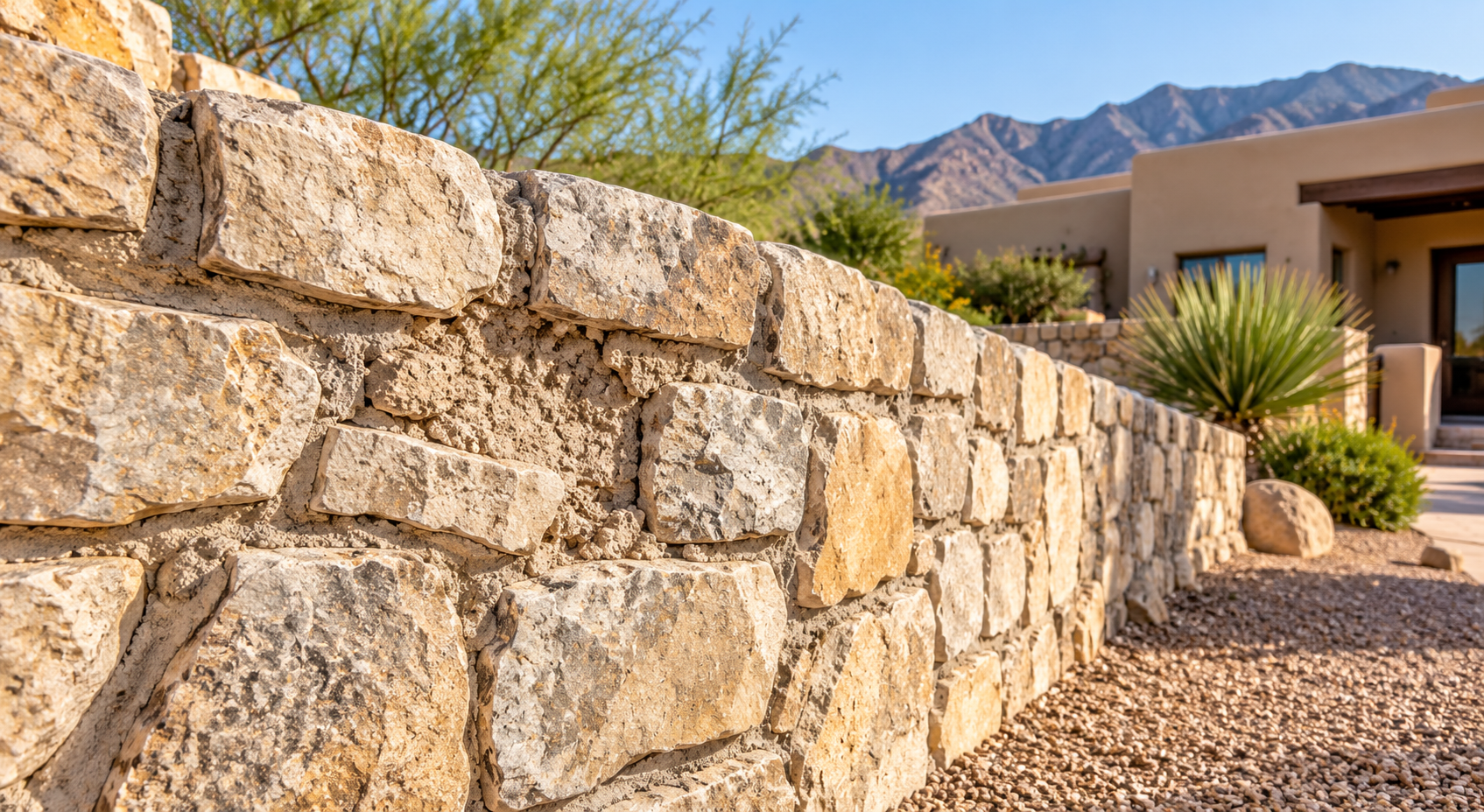
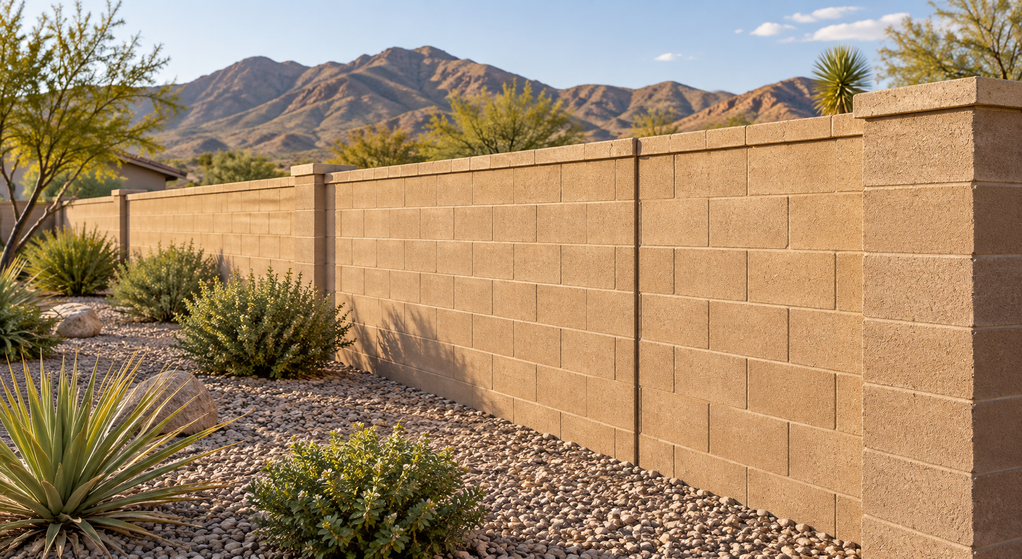
Brick, concrete masonry, stone, metal components, and supporting structures do not all move the same way. Clay brick can experience thermal and moisture expansion, while concrete masonry commonly experiences drying shrinkage. The wall assembly therefore matters more than a generic “heat crack” label.
Ask the evaluator to identify the visible masonry and the components supporting or connected to it. A crack at an opening, a long wall run, or a material transition may reflect differential movement rather than one material acting alone.
Question 3: Are the Existing Movement Joints Present and Functional?
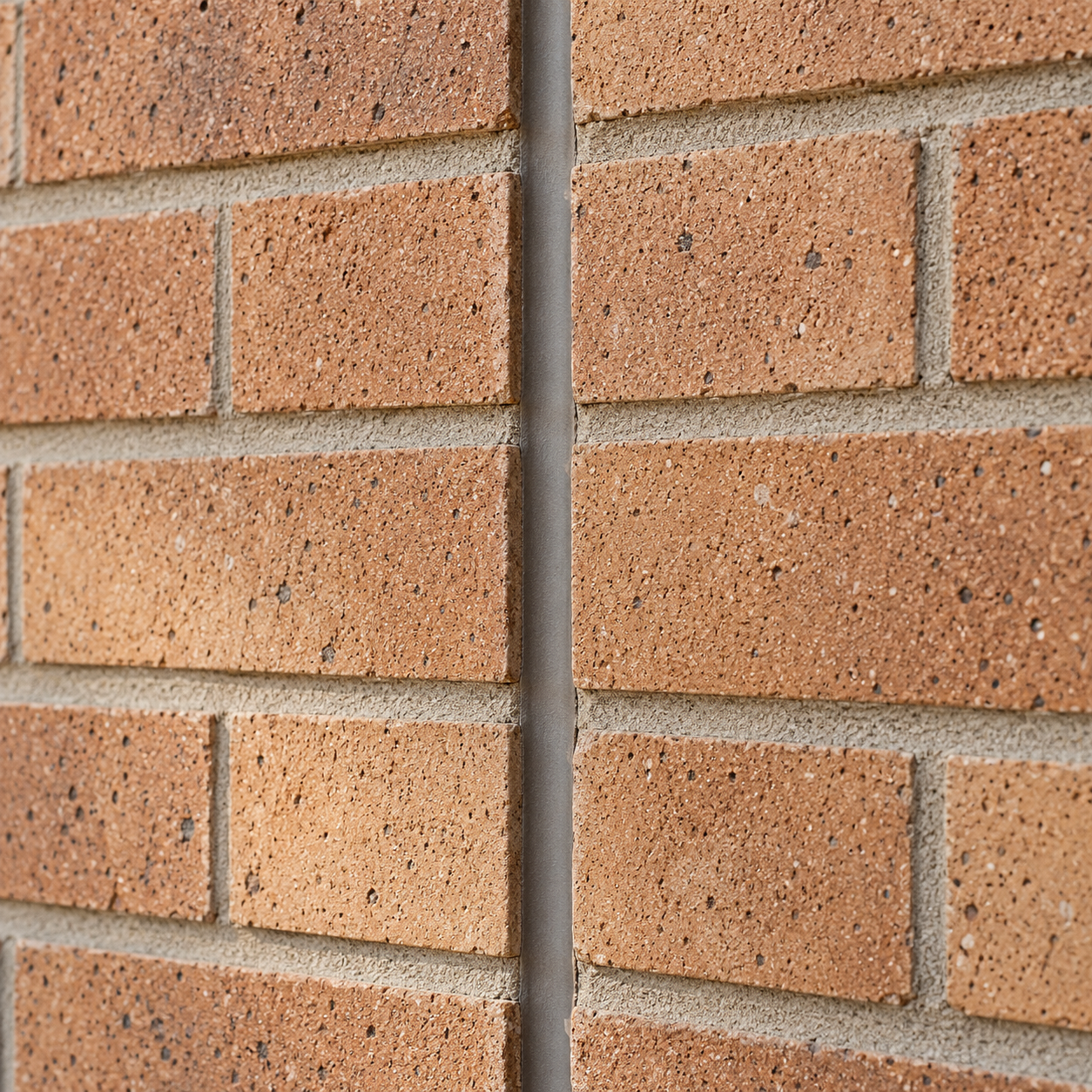
Before repointing, identify ordinary mortar joints and intentional flexible joints. Have movement-joint locations marked on the proposal or photographs so they are not accidentally filled with rigid mortar or covered by a finish.
Ask whether previous repairs bridged a joint, whether sealant has failed, and whether the joint remains wide and flexible enough to perform its intended role. If a new joint is proposed, the location and effect on reinforcement or support need project-specific professional design.
Question 4: Is Another Cause More Plausible?
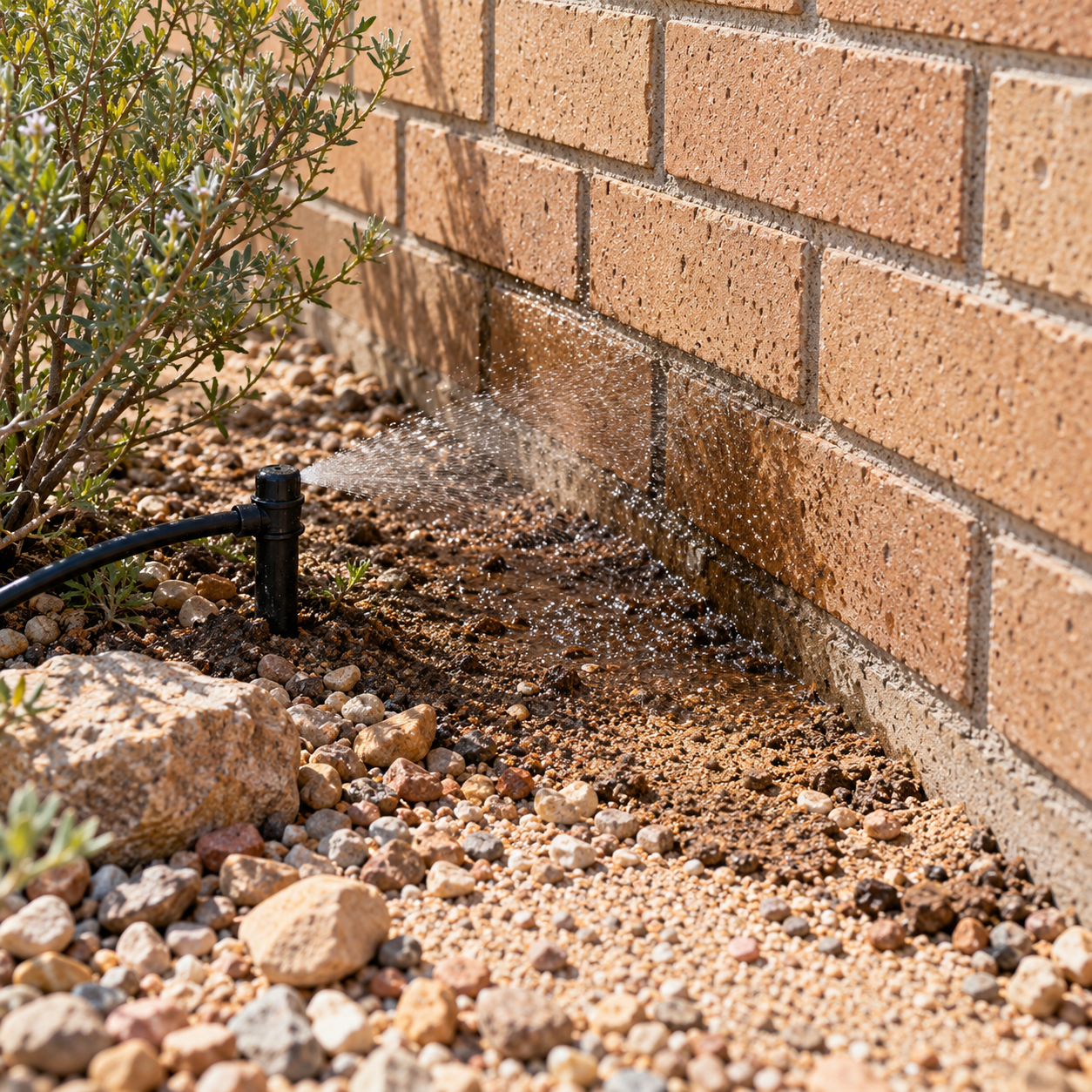
Do not wait for seasonal comparison if the wall is leaning, bulging, shedding material, or changing rapidly. Support movement, retained soil, a damaged opening, irrigation, excavation, or a drainage problem may be more urgent than temperature exposure.
Common Masonry Problems in El Paso Homes covers other warning signs worth recording alongside the crack. If a severely damaged rock wall reaches a scope decision, When to Repair vs. Replace a Rock Wall in El Paso TX provides a material-specific companion framework.
Require a Repair Proposal That Explains the Cause
A useful proposal should state the suspected cause, evidence supporting it, anything still uncertain, and how the work will accommodate future movement. “Repair cracks” is not enough if the same restraint remains.
Ask the scope to distinguish mortar repair, damaged-unit replacement, movement-joint work, and support or drainage corrections. Heat deserves consideration in El Paso, but the cleanest diagnosis is the one that connects exposure, material behavior, joint function, and observed change before selecting the repair.

Written By:
Kurt Manalastas
Home & Property Research Journalist
Kurt is a Home & Property Research Journalist who creates educational content on home services, property improvement, and residential decision-making. He translates contractor experience, industry standards, and verified research into clear, practical guidance that helps homeowners understand their options and make informed decisions.