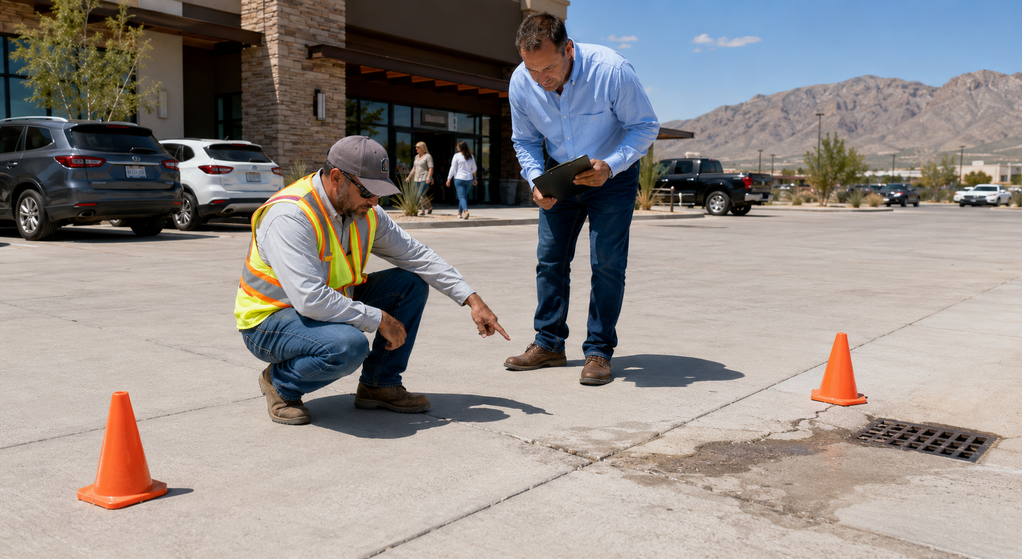
How to Prevent Cracks in Masonry Walls in El Paso
Summary
Reducing cracks in El Paso masonry walls starts before the first unit is laid. Stable support, material-appropriate movement joints, compatible mortar, controlled construction conditions, and good drainage all matter. Existing walls also benefit from preserving crack evidence and correcting water problems before cosmetic patching hides the movement that needs to be understood.
A masonry wall can look rigid while still needing room to move. Temperature, moisture, material shrinkage or expansion, and movement beneath the footing can all create stress. Crack prevention is therefore a lifecycle task rather than one product applied after a crack appears.
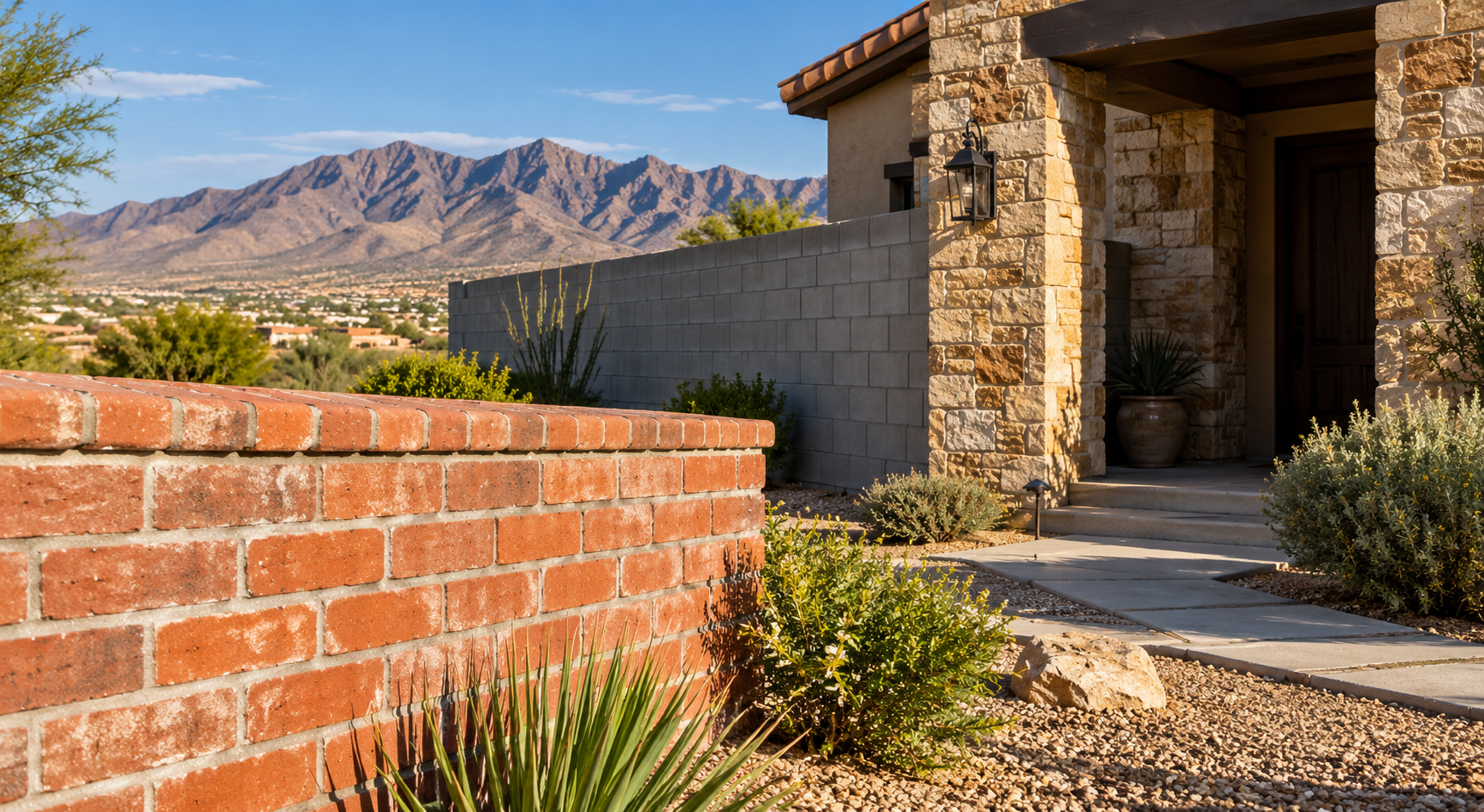
Brick, block, and stone masonry installation and repair in El Paso includes wall systems with different movement and support needs. El Paso Concrete Contractors provides local masonry services, but the prevention details should follow the actual wall material and function.
Before Construction: Define the Wall’s Job and Its Support
A freestanding garden wall, brick veneer on a house, block privacy wall, and wall retaining soil do not face the same demands. Before construction, identify wall height, support conditions, openings, adjoining structures, retained soil, and expected loads.
Loose fill or uneven support can allow sections to settle differently. Retaining walls also need drainage and structural design appropriate to the soil they retain. Do not convert an ordinary boundary wall into a planter or retaining structure by raising soil against it without reviewing the added load.
At Design: Give Each Masonry System the Right Movement Provisions
Long walls and areas around openings need deliberate movement planning. For fired-clay brick, the Brick Industry Association’s guidance on accommodating expansion of brickwork explains the role of expansion joints and how features such as corners, openings, changes in height, and changes in support affect placement.
Concrete masonry uses control joints to manage shrinkage-related cracking. Those details should be designed for concrete masonry rather than copied from a brick wall. Stone assemblies also need movement and support details
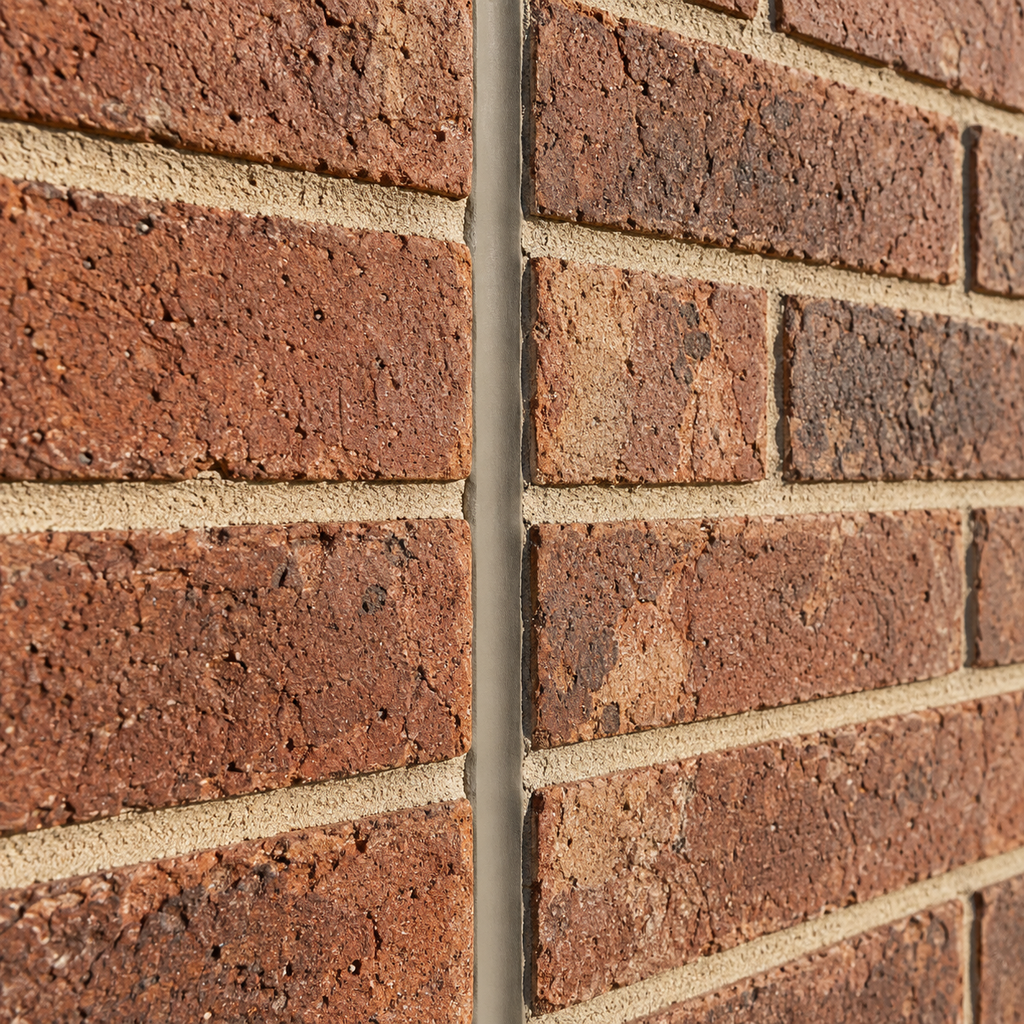
appropriate to the wall system, backing, and mortar.
For existing walls, intentional flexible joints should remain flexible. Filling a movement joint with rigid mortar can interfere with the movement it was designed to accommodate. Adding a new joint to an existing wall requires professional planning because reinforcement or support may be affected.
During Construction: Protect Mortar, Units, and Hidden Details
Mortar compatibility and construction conditions influence cracking risk. The strongest mortar is not automatically the best choice for every wall. New mortar should suit the units, exposure, and structural requirements; older masonry may be damaged by an incompatible repair mortar.
In hot, dry, or windy conditions, discuss how materials and fresh mortar will be protected from excessive moisture loss. Confirm reinforcement, ties, lintels, flashing, and other concealed details before they disappear behind finished masonry.
After Construction: Keep Water From Changing Support or Joints
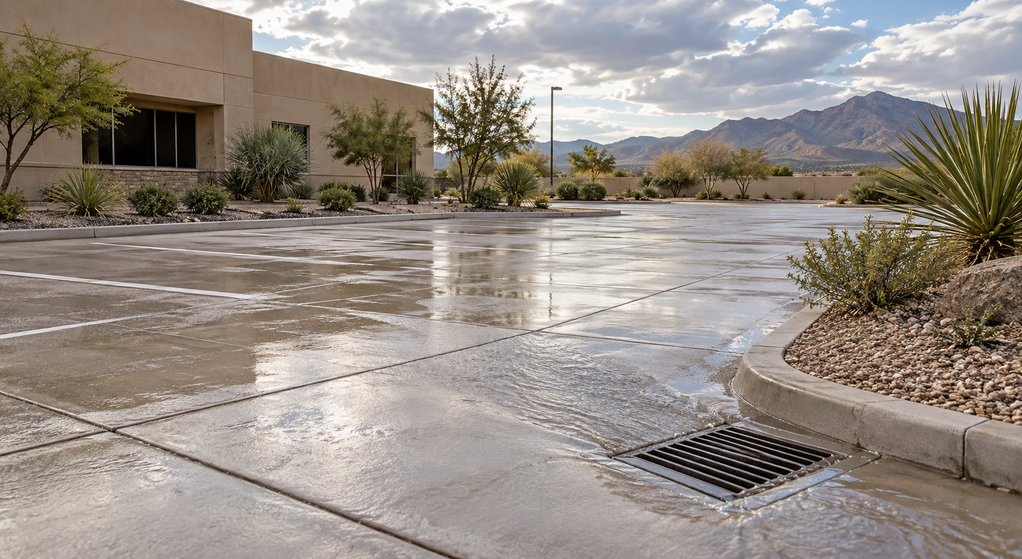
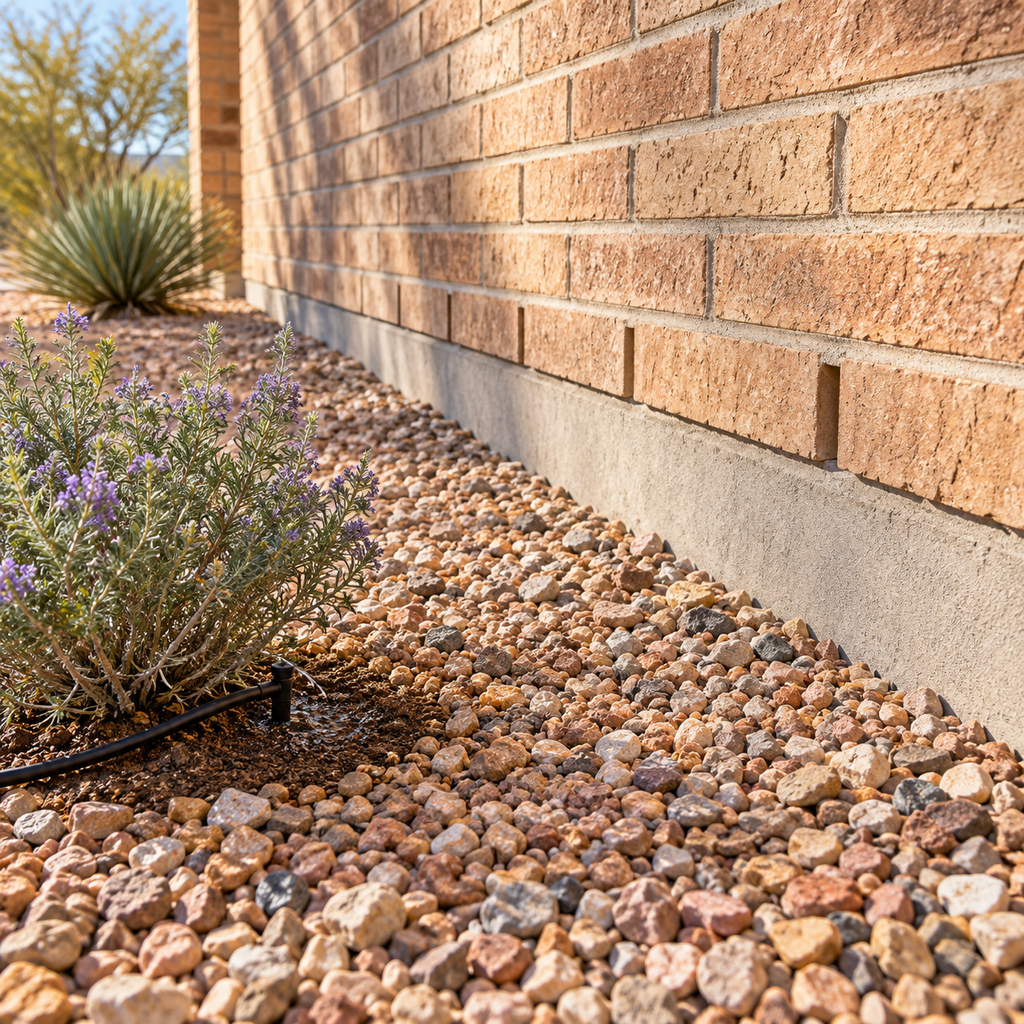
Dry surroundings do not make water irrelevant. Irrigation leaks, sprinkler overspray, roof runoff, and low planting beds can repeatedly wet one section and may contribute to erosion, joint deterioration, or support change.
How Proper Irrigation Planning Protects Your Concrete and Landscaping in El Paso can help coordinate watering zones and nearby hardscape. Keep existing drainage openings clear and avoid burying weeps with soil, mulch, or a raised patio.
Where water collects behind a retaining wall, have the drainage arrangement evaluated rather than coating the face and assuming the source has been controlled.
For Existing Walls: Preserve Crack Evidence Before Repair
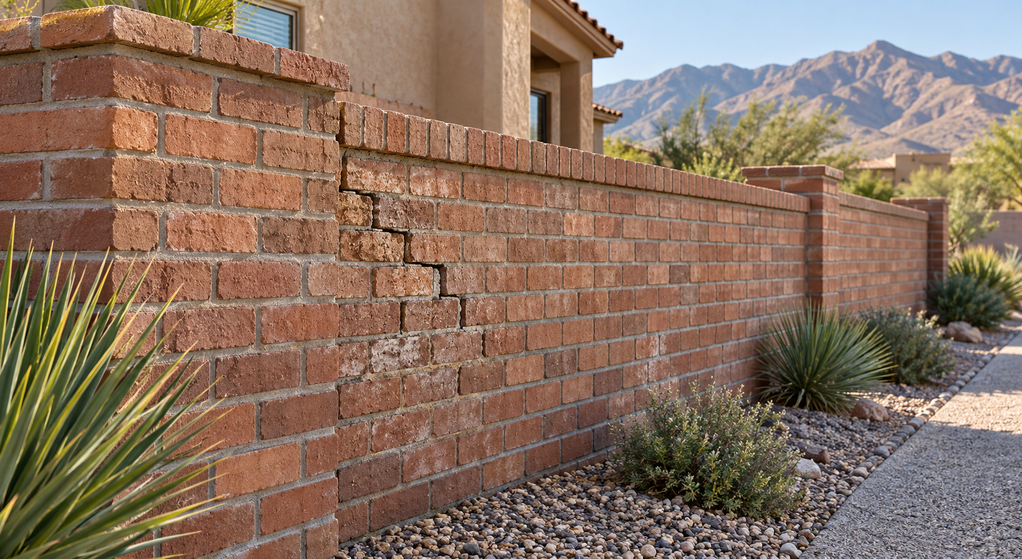
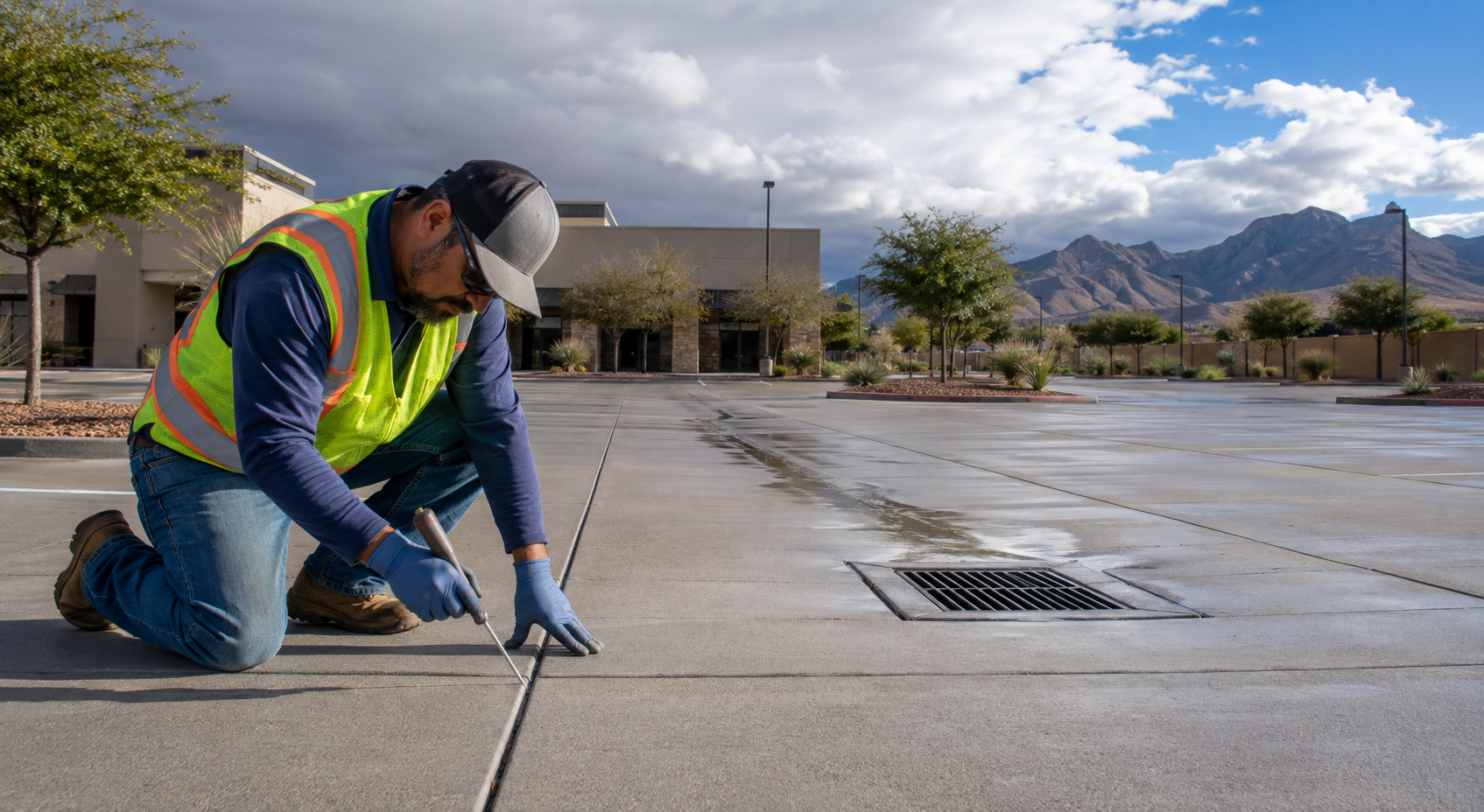
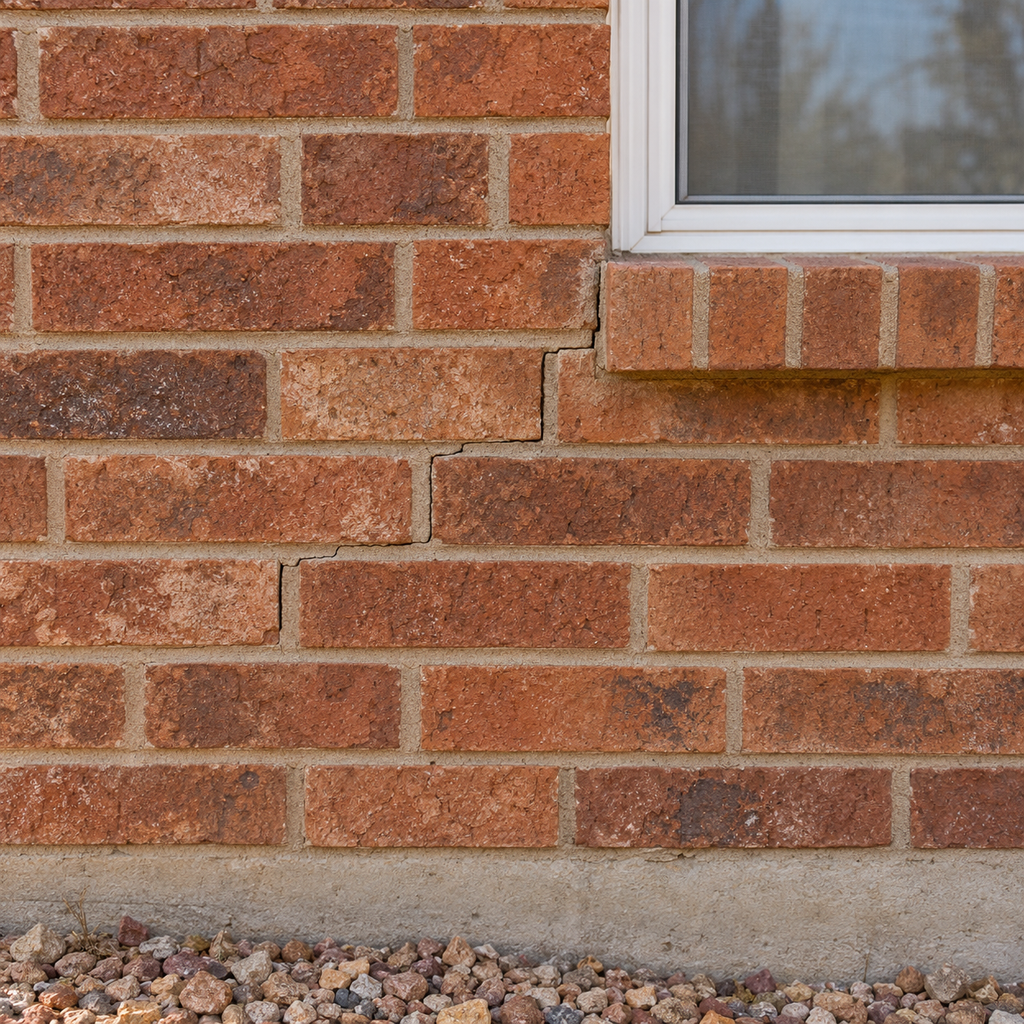
Photograph cracks with a ruler, record the date, and include wide views showing nearby corners, openings, and ground conditions. Widening cracks, displacement, bulging, leaning, loose units, or repeated failure through an earlier patch deserve professional assessment.
Common Masonry Problems in El Paso Homes can help organize related warning signs before an inspection. Repeatedly filling a crack without investigating continued movement can erase useful evidence and set up another failed repair.
Use Prevention as a System, Not a Guarantee
For a new wall, request a written scope covering support, drainage, movement joints, materials, and concealed structural details. For an existing wall, maintain joints and drainage, document change, and address identifiable water sources before cosmetic repairs.
Good design and maintenance can reduce avoidable cracking, but no product or detail can promise that masonry will remain permanently crack-free. The practical goal is controlled movement, dependable support, compatible materials, and early correction when the wall begins behaving differently.

Written By:
Kurt Manalastas
Home & Property Research Journalist
Kurt is a Home & Property Research Journalist who creates educational content on home services, property improvement, and residential decision-making. He translates contractor experience, industry standards, and verified research into clear, practical guidance that helps homeowners understand their options and make informed decisions.