When Masonry Wall Damage in El Paso Needs Professional Repair: A Severity Guide
Summary
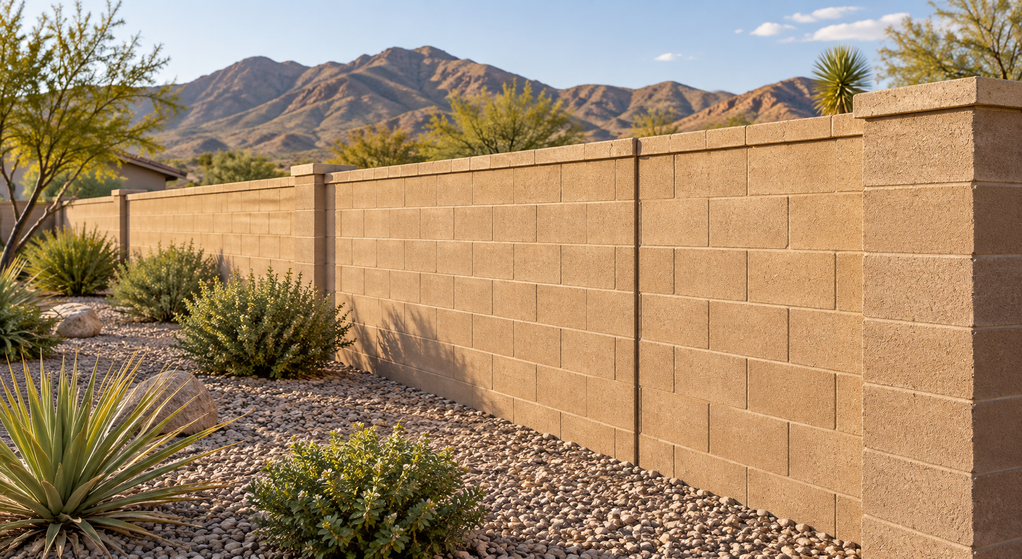
Not every masonry defect requires the same response. El Paso property owners can use the wall’s movement, material loss, moisture pattern, and stability to separate conditions that should be documented, scheduled for professional repair, or isolated for prompt evaluation. The key is how the condition is changing and what function the wall serves.
A crack in a backyard wall can look alarming without revealing much about its cause. A smaller defect may matter more if the wall is leaning, shedding material, or changing quickly. The useful question is not simply “Is there damage?” but “What level of response does this condition require?”
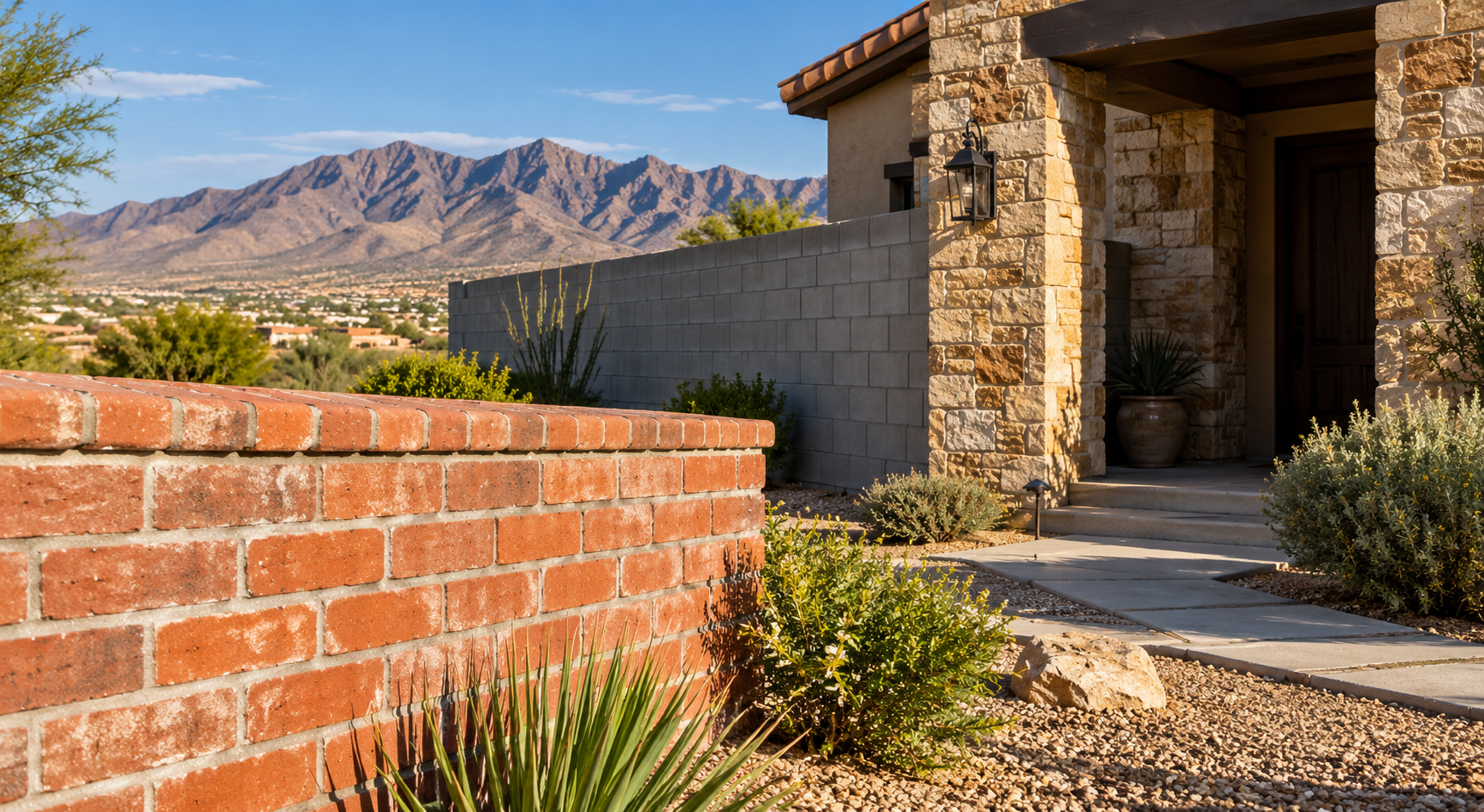
Brick, block, and stone masonry services in El Paso cover walls with different materials and functions. El Paso Concrete Contractors provides local masonry work, but the repair threshold still depends on the wall’s condition, purpose, and pattern of change.
Level 1: Document Stable, Limited Surface Change
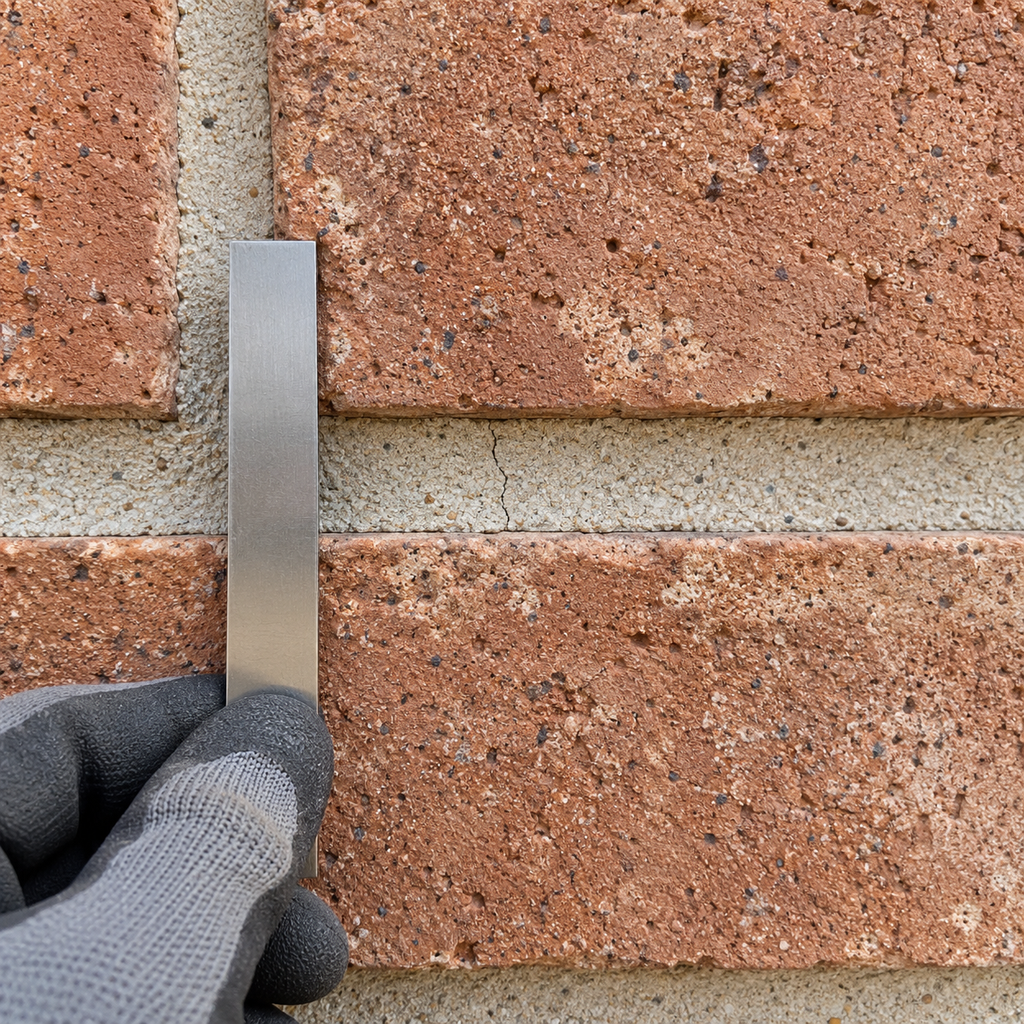
A hairline surface crack, isolated stain, or small cosmetic difference may justify documentation before repair if the wall remains aligned, the condition is not changing, and no material is loose. Take a wide photograph showing the whole wall and closer images with a ruler for scale.
Stable does not mean “ignore forever.” Note nearby openings, wall ends, ground conditions, and irrigation. Compare the same locations over time rather than relying on memory. If the crack begins extending, reopening, or developing displacement, move the condition into a higher response level.
Common Masonry Problems in El Paso Homes provides broader context for crack patterns, mortar deterioration, moisture, lintel-related symptoms, and leaning walls.
Level 2: Schedule Professional Repair Assessment for Material Deterioration
Deep mortar loss, loose joint fragments, flaking brick faces, fractured blocks, or individual loose stones deserve professional attention even if the wall is still generally aligned. The repair needs to distinguish deteriorated mortar from damaged units and from a continuing water source.
The National Park Service’s guidance on repointing mortar joints explains why replacement mortar should be compatible with existing masonry. A surface smear of new mortar can hide failed joints without completing a proper repointing repair.
Recurring dampness or white deposits also move the issue beyond appearance when they accompany deteriorating joints or units. Check sprinkler patterns, leaking irrigation, roof runoff, and low areas beside the wall. How Proper Irrigation Planning Protects Your Concrete and Landscaping in El Paso can support that water-source review.
Level 3: Arrange Prompt Assessment for Changing Movement or Failed Repairs
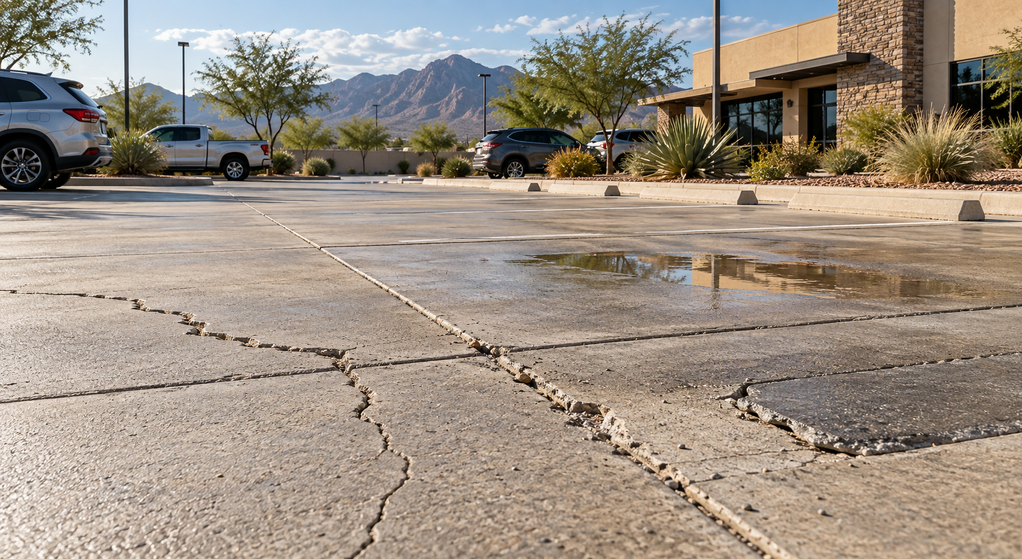
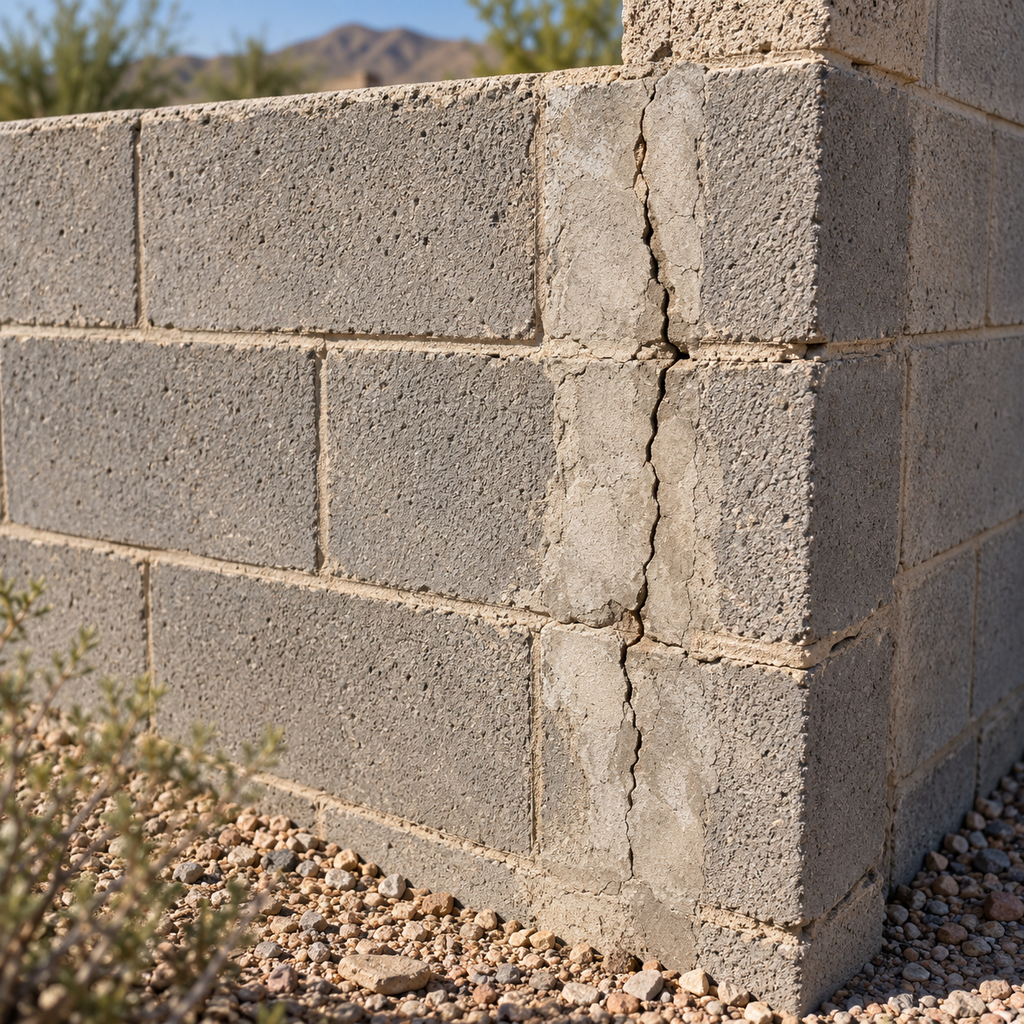
Escalate when cracks are lengthening, reopening after patching, continuing through units, or developing an offset between the two sides. A new gap where walls meet, separation around an opening, or repeated failure along the same repair line also suggests that surface patching has not resolved the cause.
Do not wait for an arbitrary crack width if movement is clearly progressing. Share dated photographs and previous repair records so the evaluator can distinguish an old stable condition from active change.
Ask whether the problem involves the masonry alone, its footing or support, a lintel or opening, retained soil, or another connected structure. Those distinctions determine whether a limited repair remains reasonable.
Level 4: Restrict Access Around Leaning, Bulging, or Loose Masonry
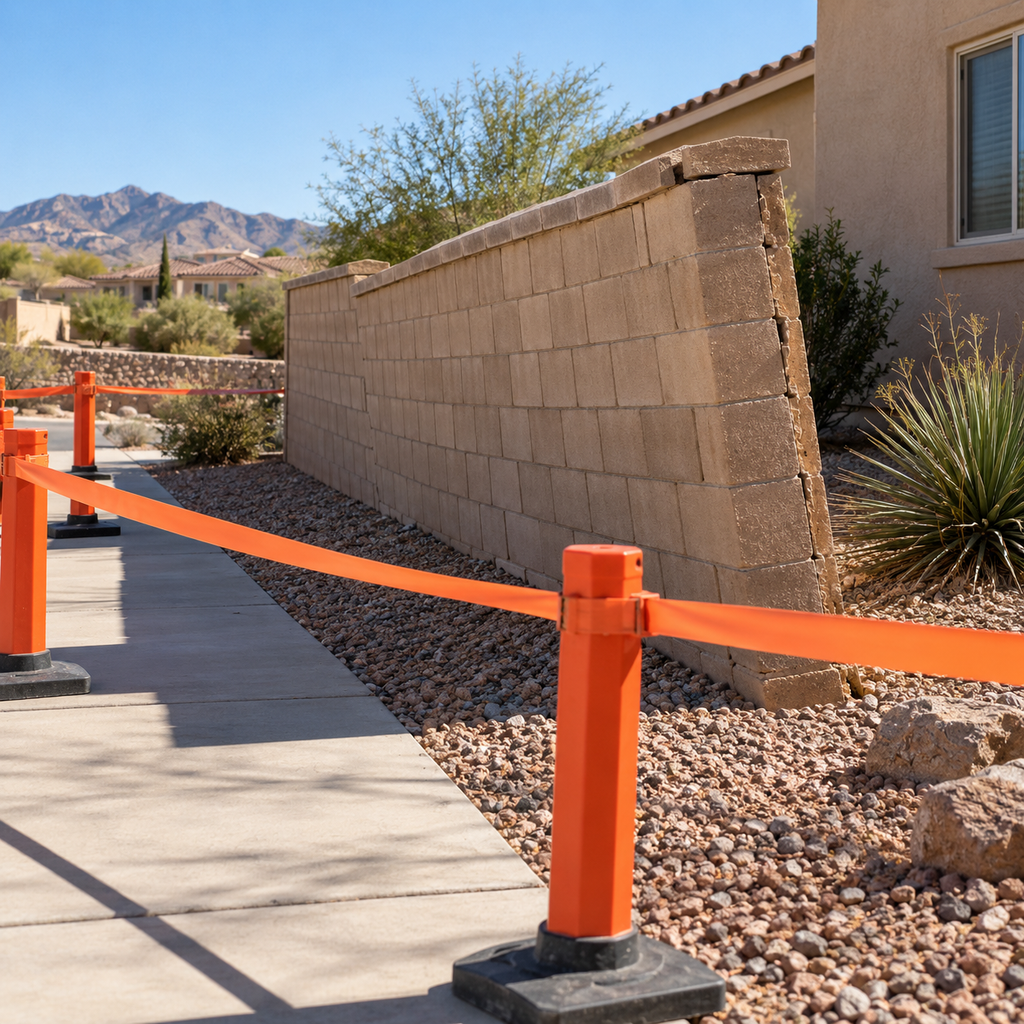
A visible lean, outward bulge, displaced cap, or loose masonry above a walkway warrants prompt evaluation. Keep people, pets, and vehicles away from the affected area. Do not push against the wall, climb it, or excavate beside an unstable section to investigate.
If the wall retains soil or supports building loads, tell the assessor before work is proposed. A structural engineer may be needed when stability, support, or load paths are uncertain. Repointing alone cannot restore an unstable wall.
Require the Repair Scope to Explain Why This Level of Work Is Enough
Before approving work, ask for a written scope identifying the damaged area, likely cause, repair limits, drainage corrections, material compatibility, and conditions that would change the plan. A proposal should explain why localized repair is adequate or why partial rebuilding or replacement is necessary.
The severity guide is intentionally based on progression and stability rather than one visual symptom. Document stable conditions, schedule repair for real material deterioration, escalate active movement, and isolate unstable masonry. That approach keeps urgency tied to evidence and wall function instead of appearance alone.

Written By:
Kurt Manalastas
Home & Property Research Journalist
Kurt is a Home & Property Research Journalist who creates educational content on home services, property improvement, and residential decision-making. He translates contractor experience, industry standards, and verified research into clear, practical guidance that helps homeowners understand their options and make informed decisions.