Concrete Parking Lot Repair in El Paso: Warning Signs to Watch For
Summary
Concrete parking lot damage often begins with small changes: widening cracks, crumbling joints, settled panels, standing water, or failed patches. In El Paso, desert heat, varied soil, drainage, and vehicle loads can affect how quickly those symptoms progress. Early assessment helps separate routine maintenance from structural repair or replacement.
Minor damage is easy to dismiss while a parking lot remains usable. The better question is whether the condition is stable or showing movement, moisture intrusion, loss of support, or repeated failure. Property owners considering concrete parking lot construction and repair services in El Paso can make a better decision by documenting where damage occurs and how it changes.
Founded in 2009 and backed by over 22 years of hands-on residential and commercial construction experience, El Paso Concrete Contractors specializes in concrete flatwork and grading. Its technical background includes ACI certification, civil engineering expertise, and optical and laser levels for precise slope calibration.
Warning Signs That Deserve Closer Attention
The type of damage matters, but so do its location, extent, and rate of change. The Federal Highway Administration’s concrete pavement distress manual groups visible problems into cracking, joint deficiencies, surface defects, and conditions such as faulting, deteriorated patches, and water pumping.
Cracks That Widen, Branch, or Develop Uneven Edges
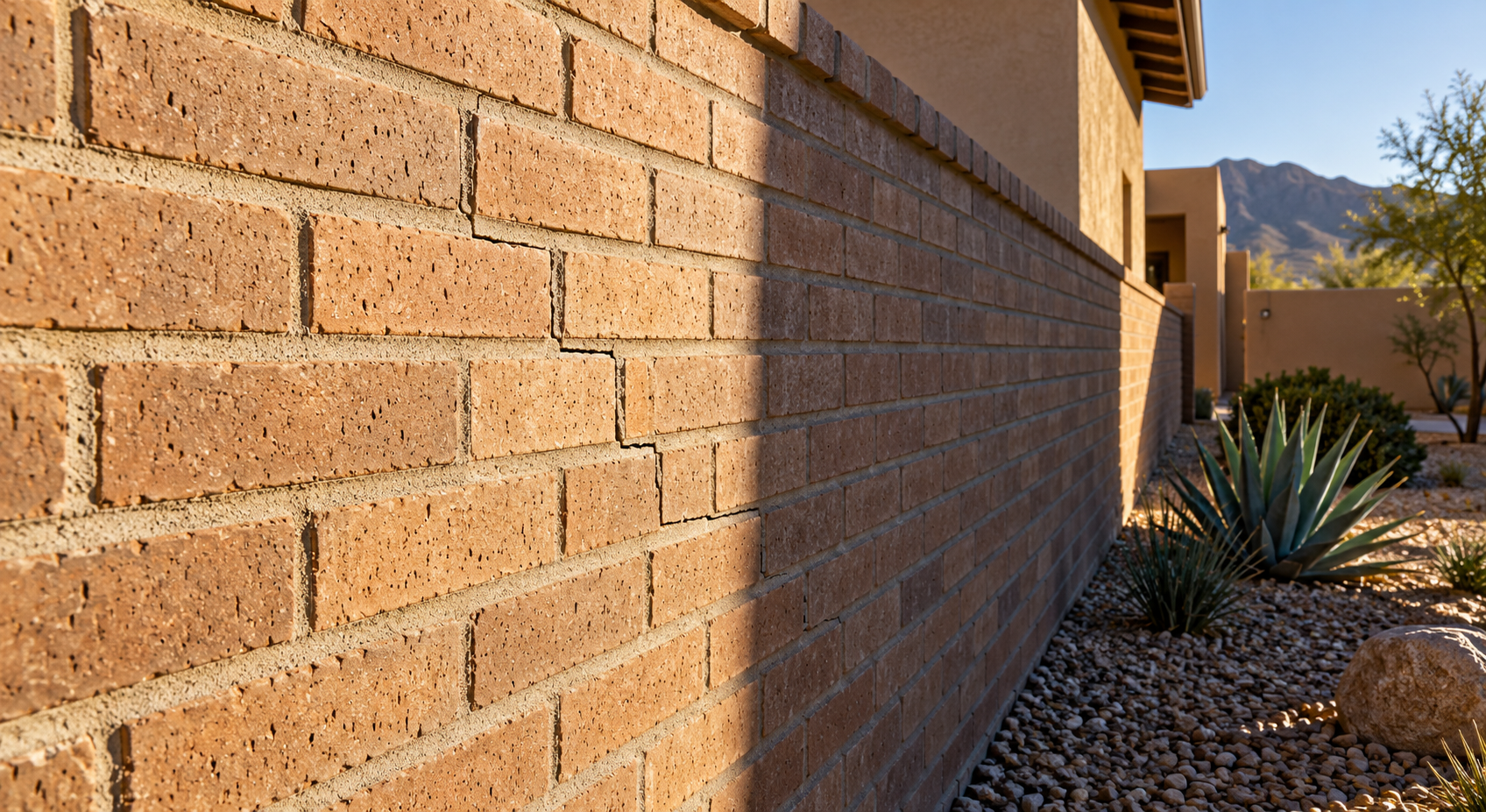
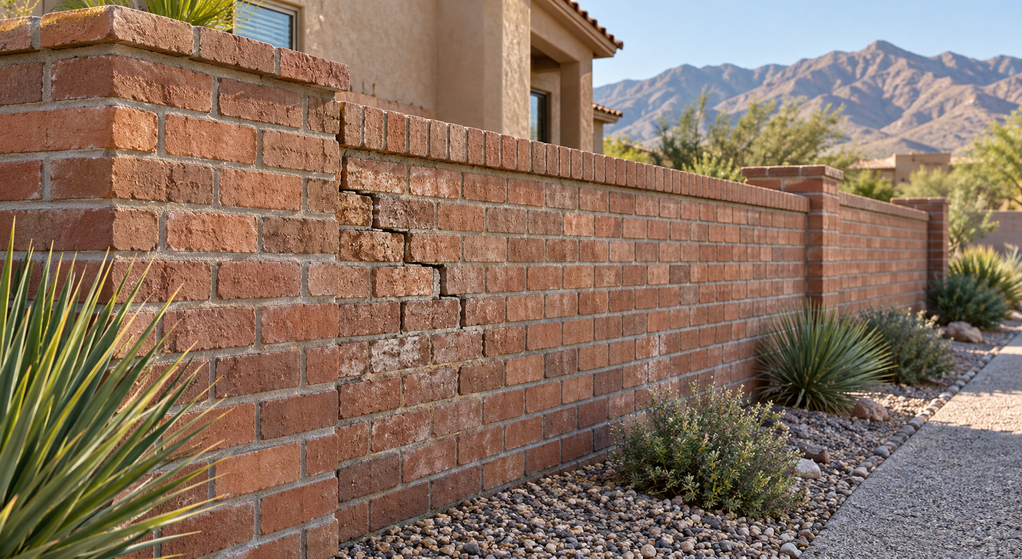
A fine crack with no vertical movement may need monitoring rather than immediate panel replacement. Concern increases when a crack grows wider, spreads in several directions, loses material along its edges, or leaves one side higher than the other. Cracks that cross a wheel path or isolate a slab corner also deserve prompt evaluation because repeated traffic can accelerate movement.
Crumbling Joints and Broken Slab Corners
Control joints create planned locations for shrinkage cracking and limited movement within the pavement. Missing sealant, weeds, embedded debris, and chipped joint edges leave the joint less able to function cleanly and may create paths for water. A broken corner that rocks, drops, or separates into loose pieces is more serious than superficial edge wear because the affected panel may have lost uniform support.
Sunken Panels and Abrupt Elevation Changes
A low panel, raised edge, or visible step between slabs can indicate settlement, heaving, erosion, or inadequate base support. Watch how vehicles respond. Tire impact, scraping, rocking, or water collecting along the low side suggests the issue affects function, not just appearance. Surface patching alone may not last if the supporting material continues to move.


Standing Water, Sediment, or Pumping at Joints
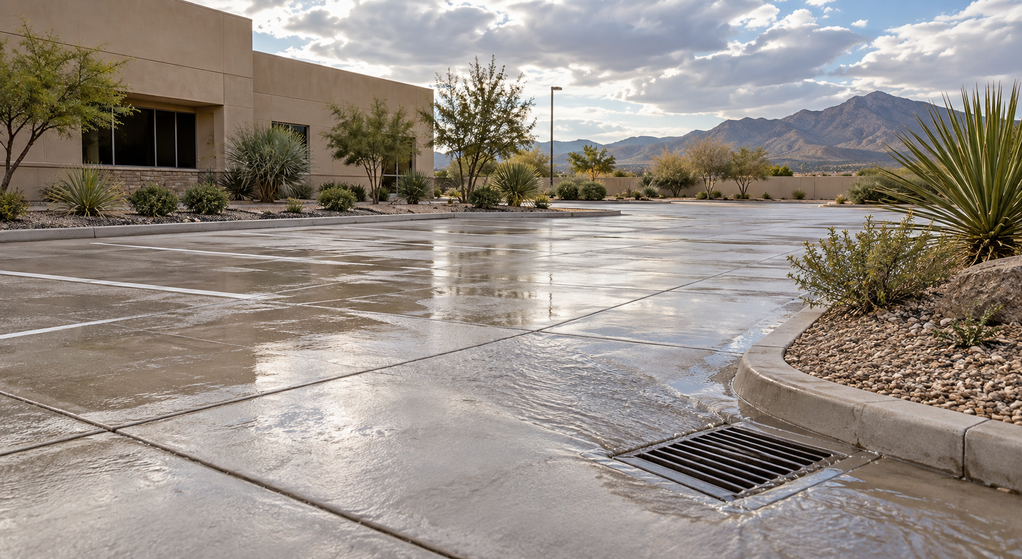
Inspect the lot after rainfall or irrigation. Puddles that remain after nearby pavement dries identify low areas or blocked drainage paths. Sediment at cracks, eroded soil beside the slab, or water and fine material emerging under tire pressure can point to movement below the concrete. Understanding how poor drainage can damage concrete parking lots in El Paso helps owners distinguish a surface symptom from a grading, joint, or subgrade problem.
Flaking Surfaces and Repairs That Keep Failing
Scaling, popouts, exposed aggregate, dusting, and shallow spalls can reduce traction and leave the surface more
vulnerable to traffic wear. One small defect may suit a localized repair. Widespread deterioration, patches separating from their edges, or new cracks forming through previously repaired areas suggest that the material, repair depth, moisture, loading, or support condition needs another look.
What the Damage Pattern Says About Repair Scope
Localized, stable damage may be addressed with joint resealing, crack treatment, spall repair, or replacement of one or two panels. Settlement, repeated cracking, or drainage-related damage may require work below or around the slab before the surface is repaired. Otherwise, a new patch can inherit the same cause that damaged the original concrete.
Replacement becomes more reasonable when damage affects many panels, elevation differences are widespread, the base has lost support, or repairs repeatedly fail. The guide on when concrete parking lot repair in El Paso is not enough provides a useful next comparison for owners weighing targeted repair against partial or full replacement.
Inspect the Lot Without Relying on Memory
Walk the same route in dry conditions and after water has moved across the property. Photograph cracks with a ruler for scale, mark the date, and note whether edges are level. Map low spots, failed joints, broken curbs, drain inlets, irrigation overspray, and areas used by delivery trucks or waste-hauling vehicles.
Repeat the check periodically and compare photographs. Faster change usually deserves faster action. Loose concrete, rocking panels, sharp elevation changes, or damage within busy pedestrian and vehicle paths may justify restricting the affected area until it can be evaluated.

Ask for a Cause-Based Repair Plan
A useful proposal should identify the affected panels, likely cause, repair depth, materials, drainage or base work, traffic-control plan, curing requirements, and reopening schedule. It should also distinguish confirmed conditions from items that may require investigation after removal begins.
Repairing early can preserve sound surrounding concrete, but speed should not replace diagnosis. The practical goal is to correct the smallest defensible area while addressing the condition that produced the damage.
Act Before the Lot Dictates the Schedule
Parking lot damage rarely becomes easier to manage after panels begin shifting, shedding material, or collecting water. Record the warning signs, prioritize areas affecting access and traffic, and obtain a condition-based scope. That gives you a clearer basis for choosing maintenance, targeted repair, panel replacement, or broader reconstruction.

Written By:
Kurt Manalastas
Home & Property Research Journalist
Kurt is a Home & Property Research Journalist who creates educational content on home services, property improvement, and residential decision-making. He translates contractor experience, industry standards, and verified research into clear, practical guidance that helps homeowners understand their options and make informed decisions.

Written By:
Domenique Bomediano
Home Improvement Research Specialist
Domenique Jose Bomediano develops research-based educational content on home renovation, construction, concrete services, and property improvement. He breaks down technical concepts, contractor insights, and industry standards into practical, easy-to-understand information that helps homeowners evaluate projects, estimate costs, and make informed long-term property decisions.