How El Paso’s Climate Affects Brick, Block, and Stone Masonry
Summary
El Paso’s climate affects brick, concrete block, and stone differently. Heat movement, dry construction conditions, concentrated irrigation, and occasional rain can influence joints, mortar, and moisture behavior. The right maintenance or repair response starts by identifying the masonry material, its exposure, and whether the visible change is stable weathering or active deterioration.
A sun-exposed boundary wall and a shaded masonry entry can weather differently on the same El Paso property. The first question is not simply whether the climate is “hard on masonry,” but what the wall is made of, how it is exposed, and which part of the assembly is changing.
Brick, block, and stone masonry services in El Paso cover materials that do not behave identically. El Paso Concrete Contractors provides masonry work for residential and commercial properties, so the repair discussion should begin with the actual material and wall function.
Brick: Expect Movement, Moisture Response, and Mortar Sensitivity
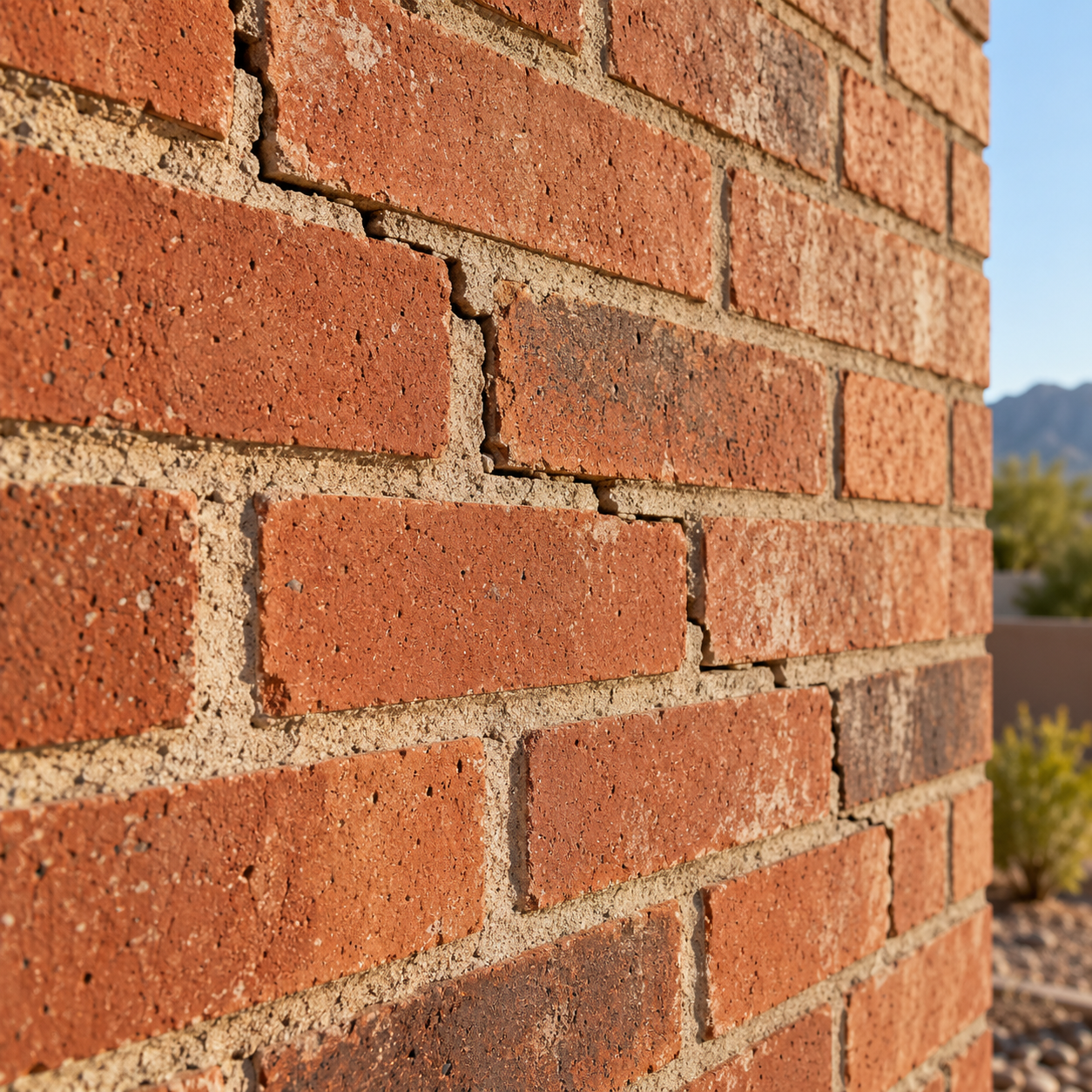
Fired-clay brick expands as temperature rises and can also experience long-term moisture expansion. Along long wall runs, at corners, and around openings, restrained movement can contribute to cracking. Intentional expansion joints need to remain flexible rather than being packed with rigid mortar.
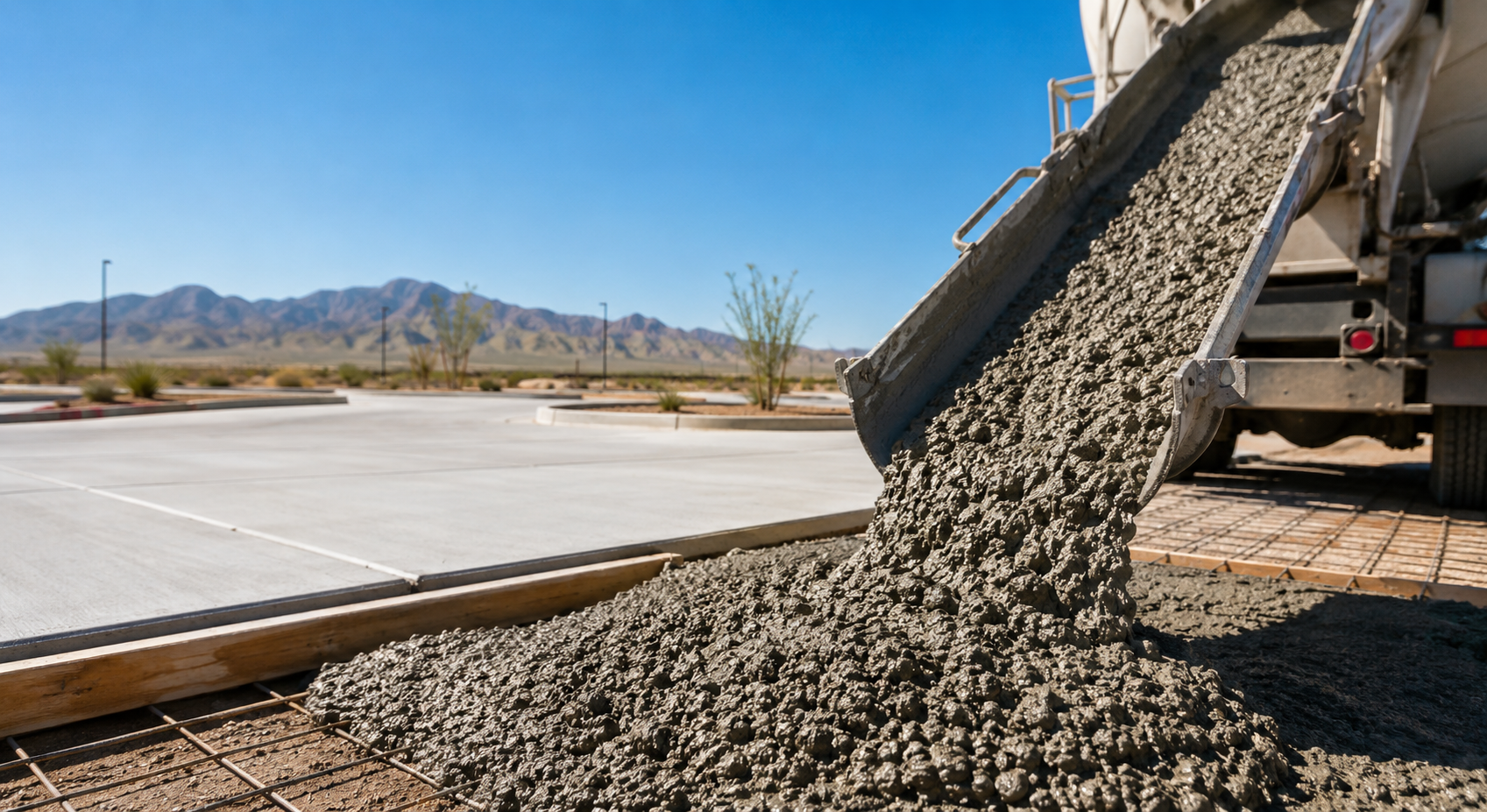
Construction weather matters too. The Brick Industry Association’s guidance on hot and cold weather construction explains how high temperatures, wind, and moisture loss can affect brick masonry construction and why protective practices may be needed during extreme conditions.
That guidance is specific to fired-clay brick and should not be treated as a universal specification for block or stone.
For existing brick, recurring white deposits, eroded joints, flaking faces, or cracks that change over time deserve investigation of both moisture and movement. Repointing should use mortar compatible with the existing units rather than simply the strongest mix available.
Concrete Block: Focus on Shrinkage, Control Joints, and Support
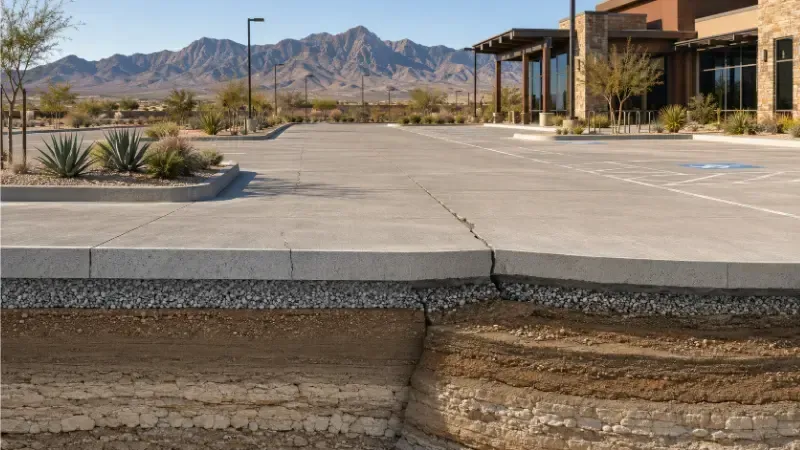
Concrete masonry units behave differently from fired-clay brick. Concrete masonry commonly experiences drying shrinkage, so control joints and reinforcement are used differently from brick expansion joints. A crack pattern that would suggest one movement detail in brick should not automatically receive the same repair in block.
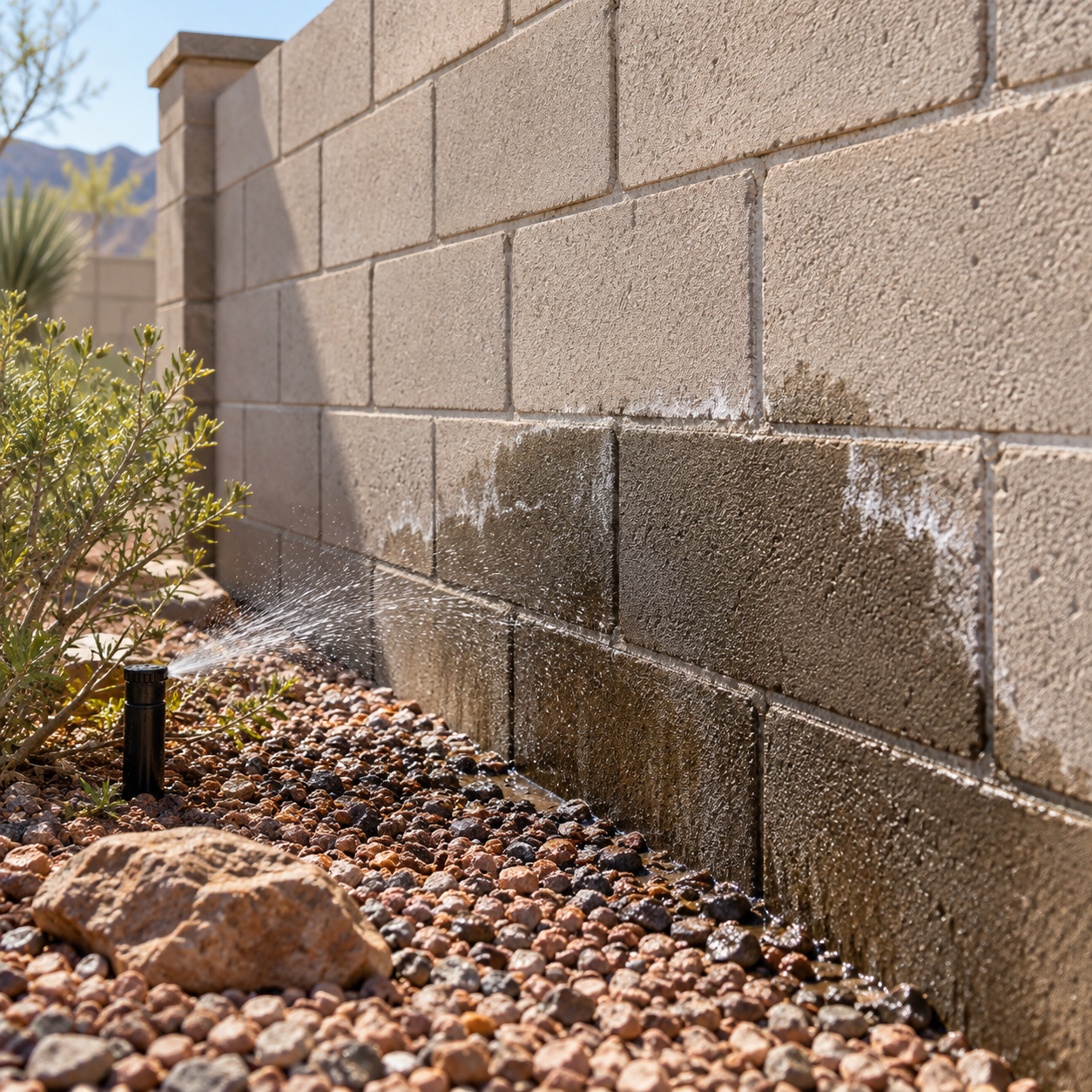
Support and wall function also matter. A freestanding block privacy wall, a reinforced structural wall, and a block retaining wall carry different loads and need different footing, reinforcement, and drainage decisions.
Surface patching cannot correct continued support movement or an overloaded wall.
Inspect exposed block for recurring cracks, deteriorating mortar, broken units, and water paths at the base. If movement is continuing, establish what is shifting before cutting new joints or rebuilding individual sections.
Stone: Let the Stone Type, Mortar, and Attachment Drive the Assessment
“Natural stone” describes many materials with different absorption, strength, and weathering behavior. A dense stone, a porous stone, and manufactured veneer should not be assumed to react the same way to irrigation, rain, heat, or a repair mortar.
For mortared stone, inspect the units and the joints separately. Loose stones can reflect failed mortar, movement in the support, attachment problems, or deterioration behind the visible face. A cosmetic joint repair is not enough if the
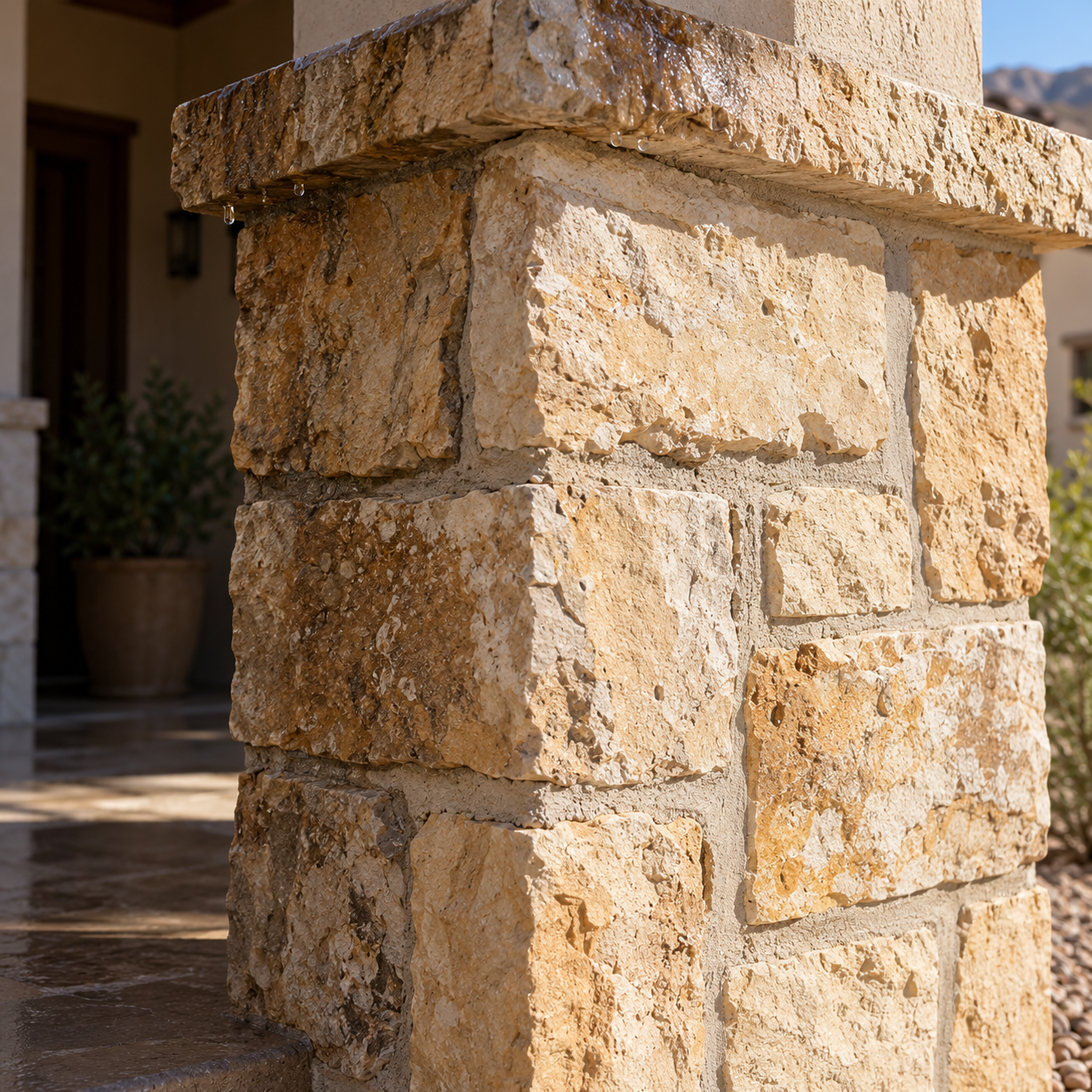
masonry is separating from its backing or the wall itself is unstable.
Where matching matters, replacement stone and mortar should be reviewed together because color, texture, joint profile, and weathering all affect the final appearance.
All Three Materials Still Depend on Water Management
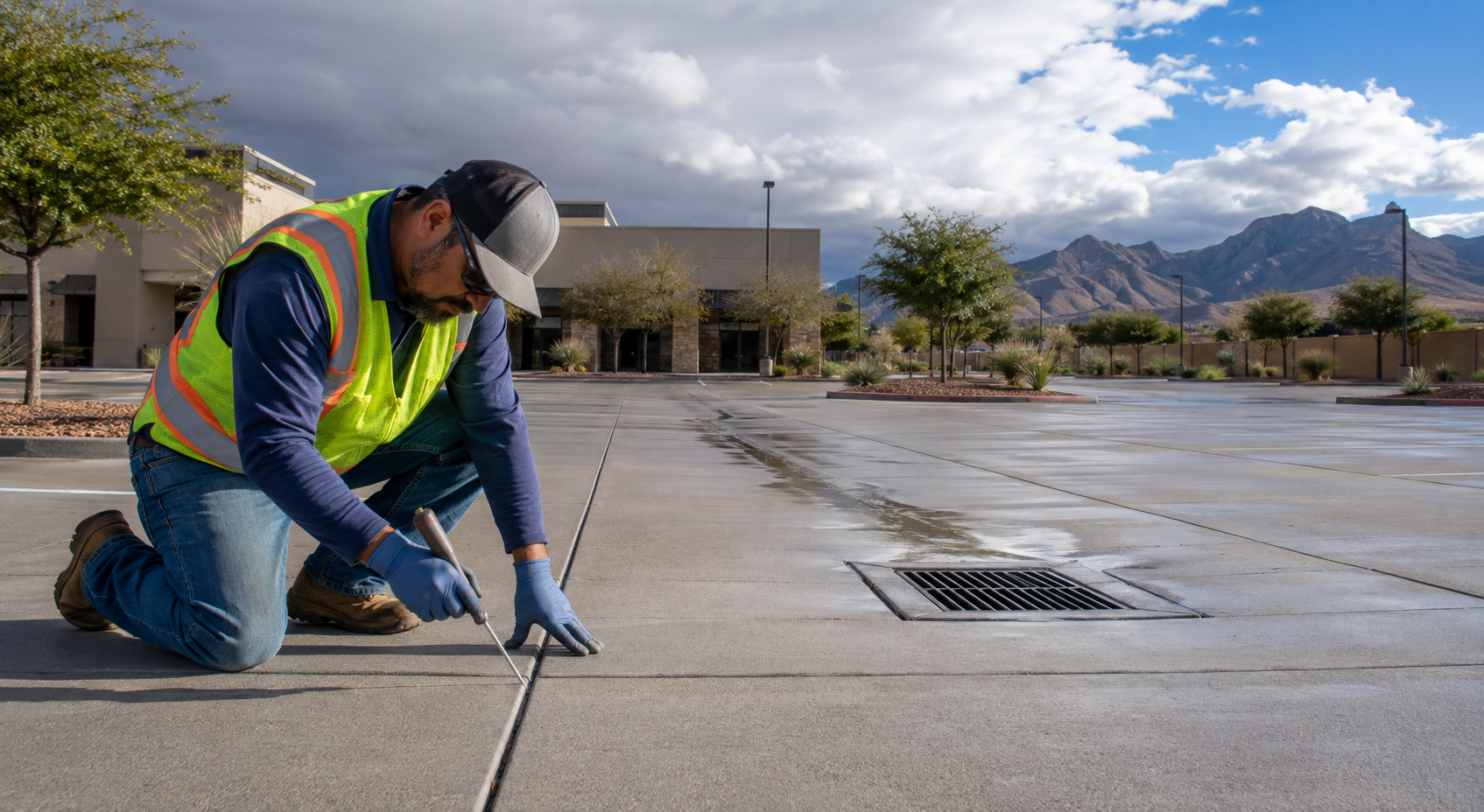
El Paso is dry overall, but concentrated wetting can still be persistent. Sprinkler overspray, irrigation leaks, roof runoff, and low planting beds can repeatedly wet one section while the rest of the wall stays dry.
How Proper Irrigation Planning Protects Your Concrete and Landscaping in El Paso provides useful context when the wetting pattern follows irrigation. Redirecting the source is more useful than repeatedly cleaning deposits or coating the surface without understanding where the water goes.
After rain or irrigation, compare wall tops, ledges, bases, openings, and shaded sections. Recurring dampness and efflorescence are clues to moisture movement, but they do not by themselves prove structural failure.
Choose the Response by Material and by Change
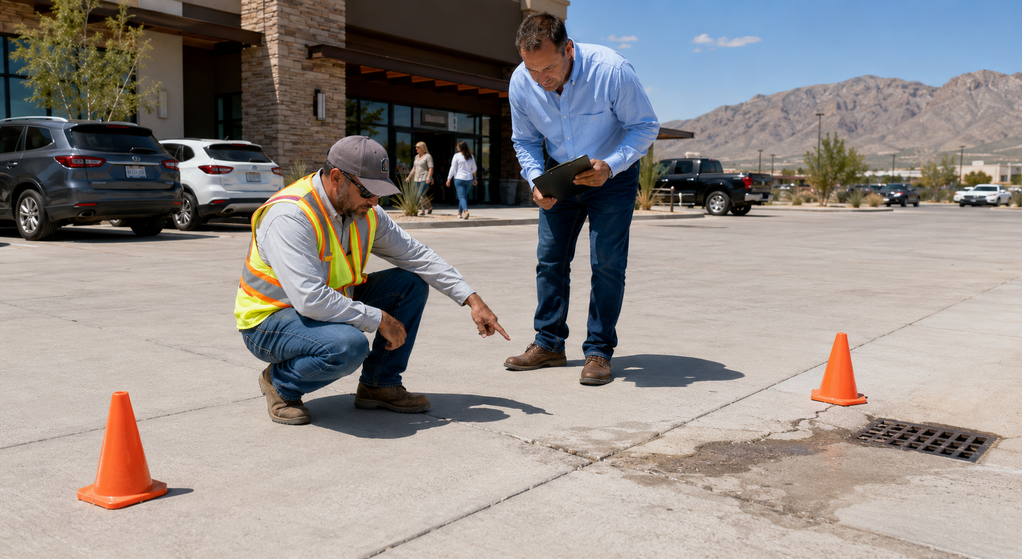
Use dated photographs to distinguish stable weathering from progressive change. Brick cracking may call for a movement-joint review; block cracking may require investigation of support, shrinkage, reinforcement, or control joints; loose stone may require evaluation of units, mortar, and attachment.
Common Masonry Problems in El Paso Homes can help organize warning signs such as stair-step cracks, failing mortar, moisture, and leaning walls before an inspection.
Arrange prompt assessment for leaning, bulging, loose units, widening cracks, or conditions that could allow masonry to fall. For less urgent changes, document the pattern and request a scope that identifies the material, likely cause, compatible repair, and any drainage or movement detail that must be preserved. El Paso climate matters, but the durable response comes from matching that climate exposure to the masonry system actually on the property.

Written By:
Kurt Manalastas
Home & Property Research Journalist
Kurt is a Home & Property Research Journalist who creates educational content on home services, property improvement, and residential decision-making. He translates contractor experience, industry standards, and verified research into clear, practical guidance that helps homeowners understand their options and make informed decisions.