When to Repair vs. Replace a Rock Wall in El Paso TX
Decision Snapshot: Repairing a rock wall in El Paso makes sense when damage is isolated and structural alignment remains intact, but leaning, bowing, or footing failure usually signals the need for replacement. The smartest decision depends on drainage, soil movement, and whether the wall’s geometry has already been compromised.
A failing rock wall in El Paso rarely improves with time. When it comes to rock wall installation services in El Paso, understanding the underlying conditions is just as important as the construction itself. In this region’s desert heat, caliche-heavy soils, hillside grades, and sudden storm runoff, delaying the right decision often turns a manageable repair into a full structural rebuild.
What homeowners need to hear is simple: leaning, separation, and drainage-driven movement are usually structural warnings rather than cosmetic flaws. Based on our work across El Paso’s foothill neighborhoods, hillside lots, and retaining systems near the Franklin Mountain slopes, the smarter decision comes from understanding why the wall moved before deciding whether repair is still realistic.
When a Rock Wall Is Still a Good Repair Candidate
Not every damaged wall needs replacement.
Our rock wall specialists
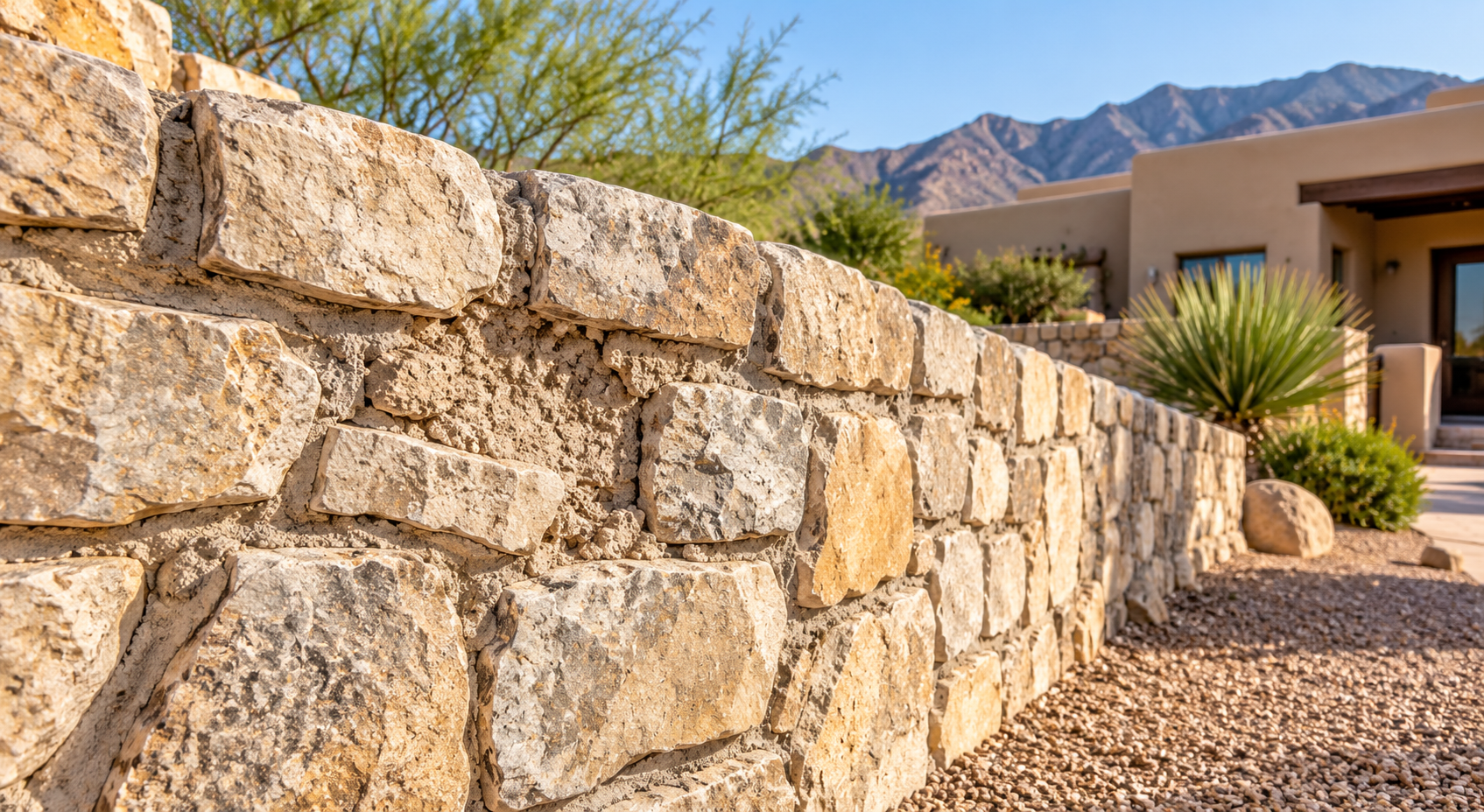
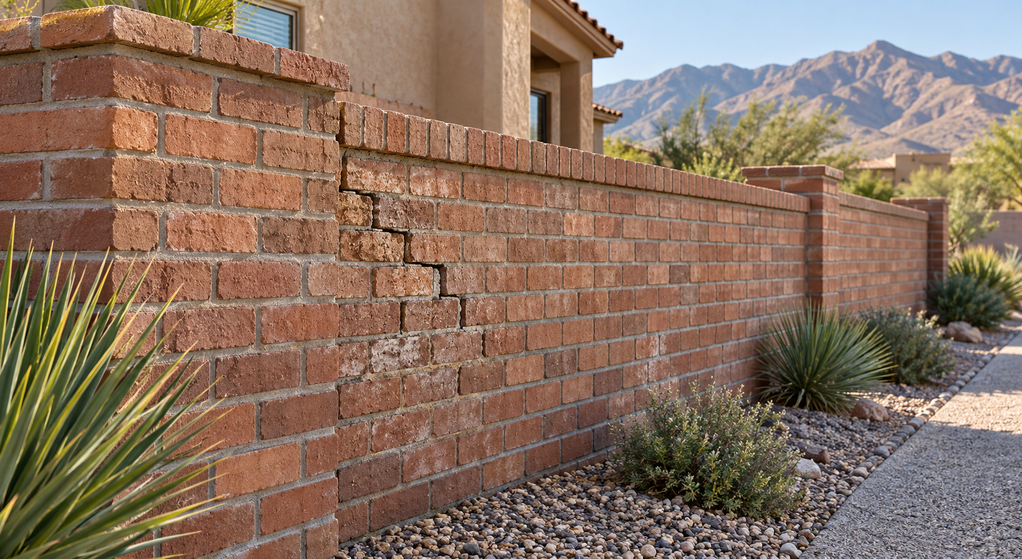
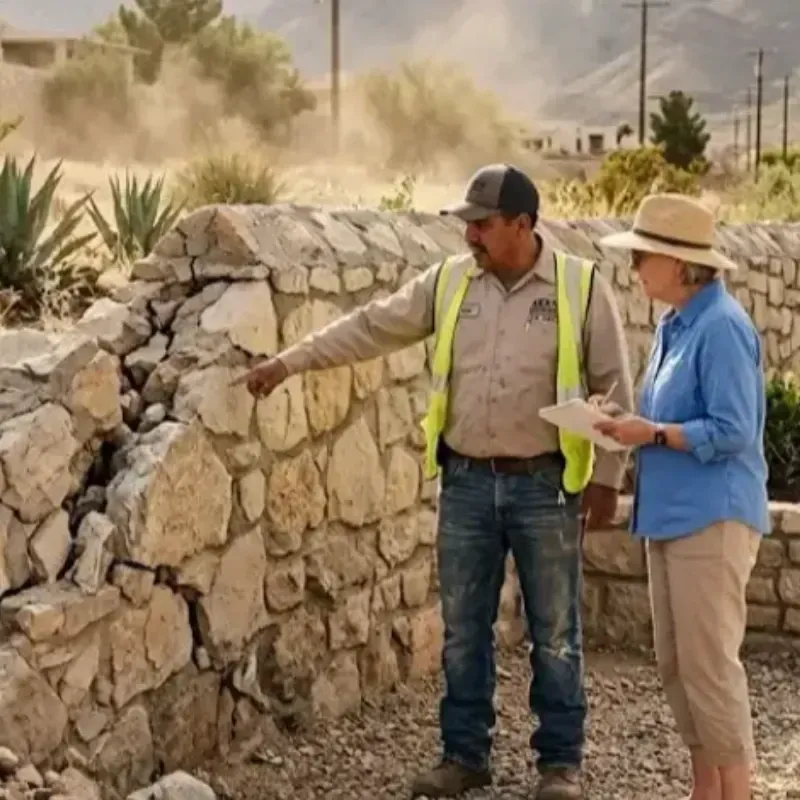
note that a rock wall in El Paso is often still a strong repair candidate when the issue is isolated and the wall’s structural alignment remains true. Problems such as minor mortar deterioration, a few displaced stones, surface cracking without bulging, or small washouts near the base can often be corrected without rebuilding the entire structure.
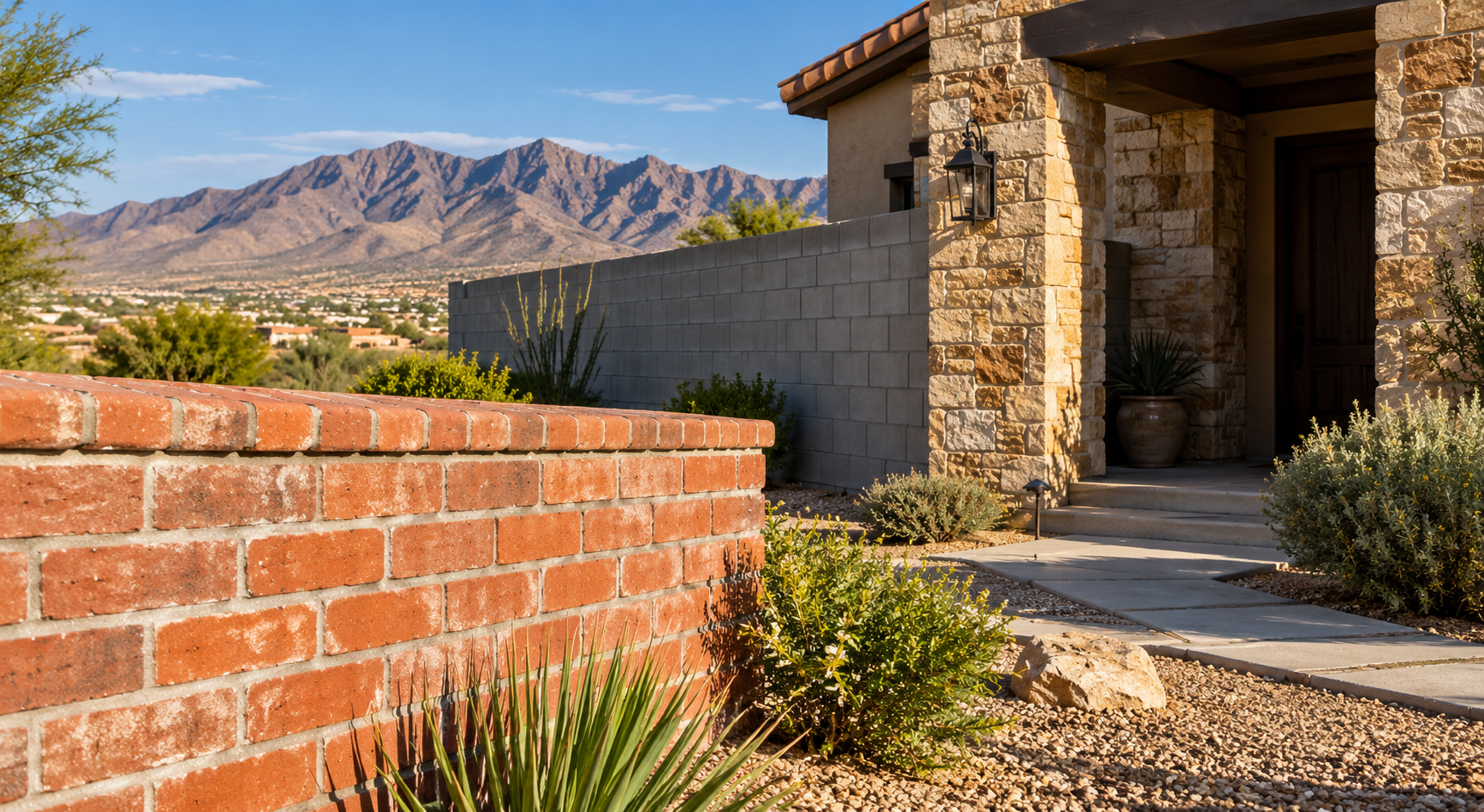
In our work, we have seen many older masonry rock walls in West El Paso remain structurally dependable even after years of exposure, requiring only repointing, selective stone resetting, and better drainage improvements behind the wall. This matters because targeted repairs preserve the original wall mass, reduce excavation costs, and avoid unnecessary disturbance to nearby landscaping, driveways, or patios.
The Clear Signs Replacement Is the Smarter Move
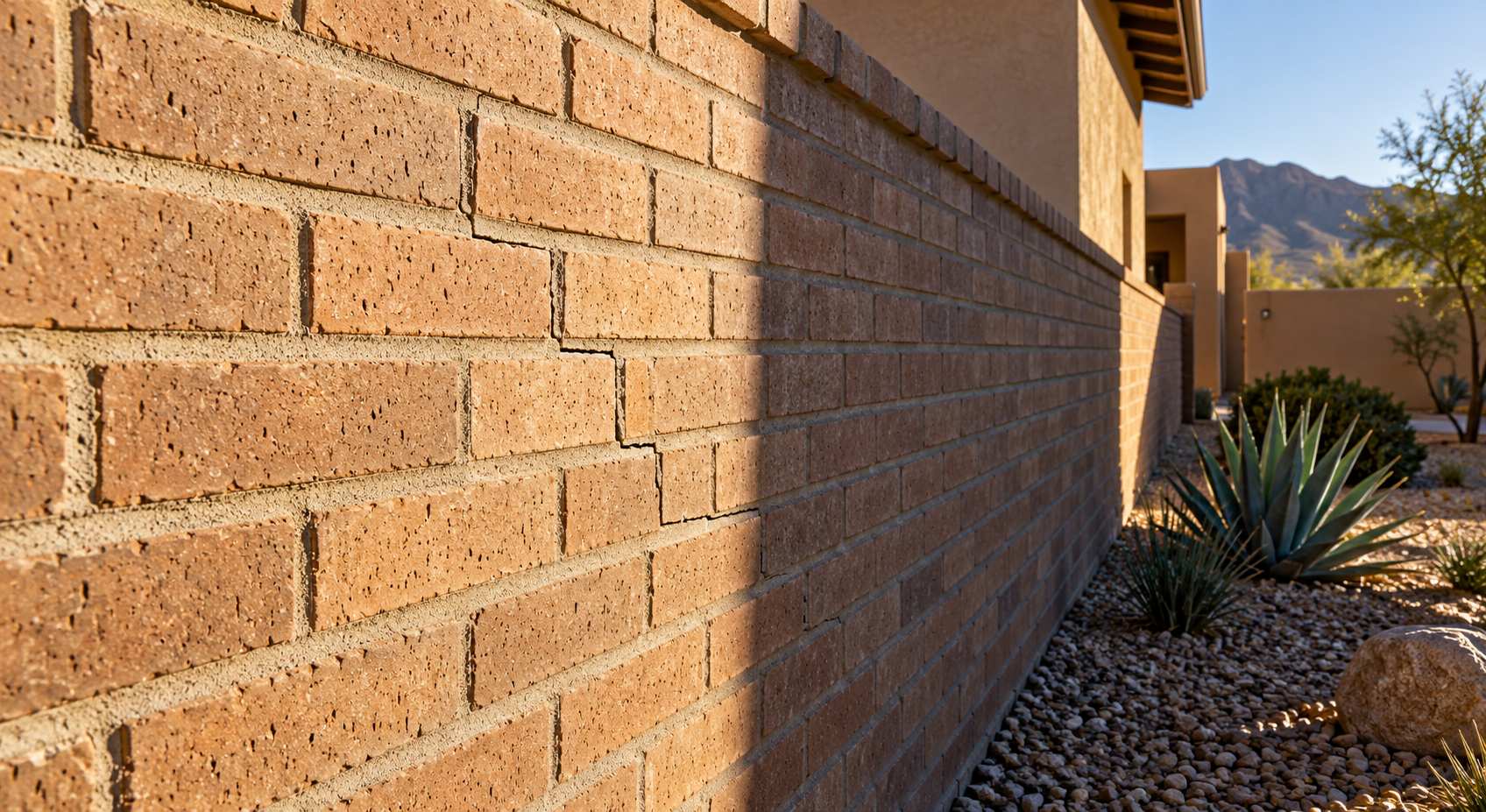
There are situations where repair becomes false economy. If the wall is leaning forward, bowing through the center, separating from adjacent sections, or showing stair-step cracking across multiple courses, the structural system is already compromised.
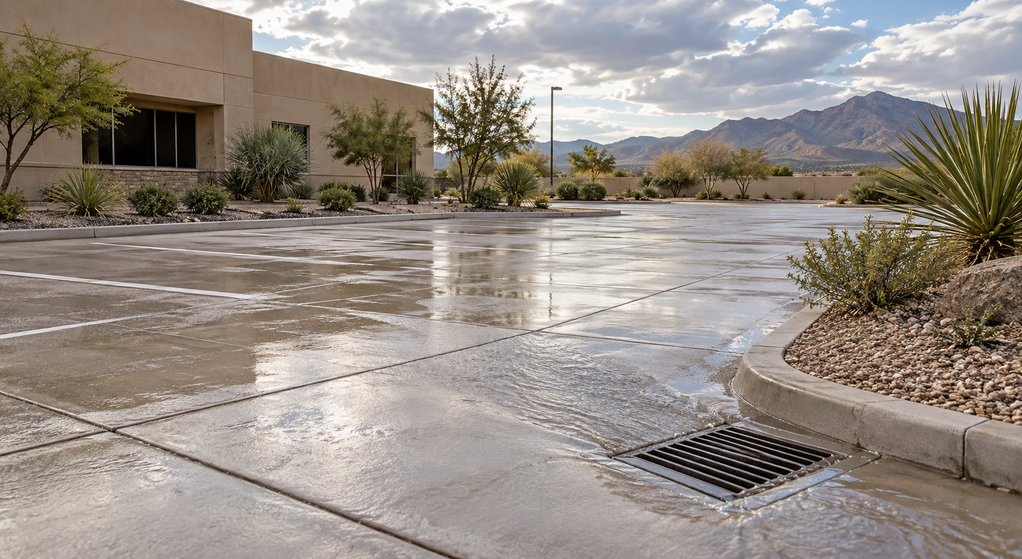
These failures usually trace back to deeper issues such as hydrostatic pressure behind the wall, shallow original footing depth, missing drainage relief, or shifting subgrade support. Federal Highway Administration geotechnical guidance emphasizes that uniform support, proper foundation preparation, and drainage management are critical for long-term structural performance, especially where moisture-sensitive soils can weaken support conditions over time. This directly applies to El Paso, where desert soils can shift dramatically between dry conditions and storm saturation.
If more than one section of the wall is moving, replacement is almost always the cheaper long-term decision compared with repeated cosmetic repairs.
Why El Paso Conditions Change the Decision
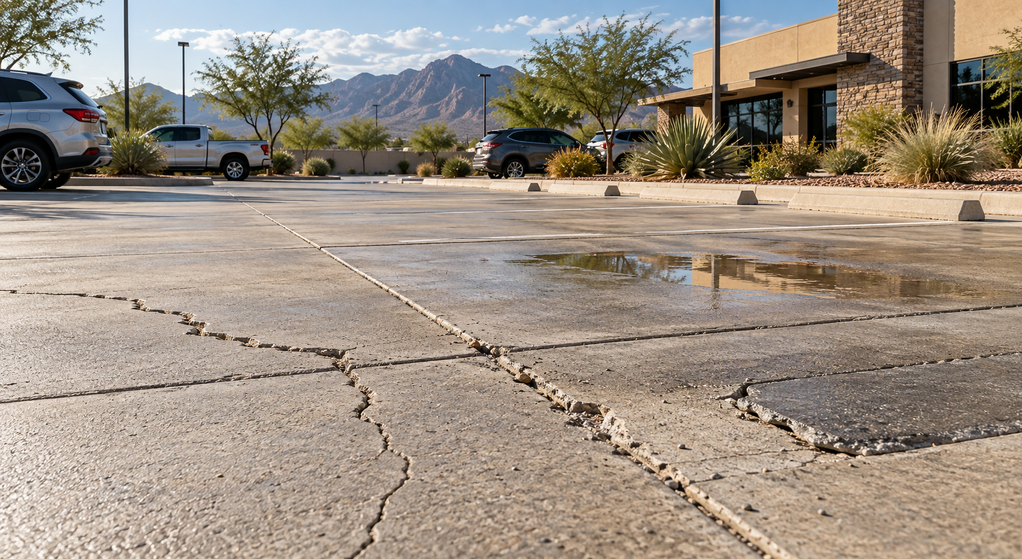
Repair-versus-replacement decisions in El Paso are rarely the same as in flatter or wetter markets. The city’s environment creates a unique structural challenge through extreme UV exposure, daily thermal expansion, mountain runoff during monsoon storms, erosion at the toe, and steep grade transitions in hillside subdivisions.
A repair that might last years in a milder region can fail quickly here if the real issue lies beneath the footing or behind the retained soil. We have seen walls near arroyos and sloped Northeast El Paso lots appear visually repairable, only to discover undermining beneath the lowest course once excavation began.
That is why the smarter decision depends less on the visible stone damage and more on what is happening behind and below the wall system.
Common Homeowner Mistakes That Lead to Wrong Decisions
The most common mistake is judging the wall only by what is visible from the front. Rock walls often begin failing from the back side, where water pressure, clogged drainage zones, soil expansion, and footing erosion slowly create movement before any visible cracking appears.

Another frequent mistake is repointing mortar joints on a wall that is already rotating forward. Fresh mortar may improve the appearance for a short time, but it does nothing to resist soil pressure or restore lost footing stability.
The tradeoff is straightforward: repair saves money upfront, while replacement restores drainage, footing integrity, reinforcement opportunities, and proper wall geometry. The right choice depends on whether the issue is limited surface deterioration or full system movement. If excavation reveals voids, missing drainage stone, or undermining at the base, replacement becomes the more responsible decision.
To learn more about this topic, explore these common rock wall failures in El Paso and how to prevent them.
Mid-Life Walls: The Gray Area Between Repair and Replacement
The most difficult cases are walls with partial movement. For example, a single 8-foot section of a 40-foot wall may lean while the remaining sections still hold alignment. In cases like this, sectional replacement is often the smartest path.
This hybrid solution keeps the stable wall segments, rebuilds only the failed portion, and improves drainage continuity so the repaired section does not become a weak transition point. This approach works especially well for El Paso properties where terraces, adjacent slabs, or tight lot conditions make full demolition unnecessarily disruptive.
The real key is realistic judgment. A wall does not need to collapse before replacement makes sense. Once movement shows that the original wall no longer matches the site’s drainage and soil behavior, rebuilding the affected section is often the most cost-controlled and structurally sound choice.
How to Make the Smarter Decision
The simplest way to decide is to evaluate the wall’s alignment, drainage function, and footing support as one system rather than separate symptoms. If the wall is no longer vertically true, if water has no clear exit path behind it, or if the footing support has been undermined, replacement usually offers the better long-term outcome.
The confidence boost for homeowners is knowing that an early replacement decision often protects nearby patios, fences, irrigation lines, and concrete slabs from becoming the next costly repair.
Understanding the basic standards helps avoid premature damages. Review structural requirements and soil considerations before you install your rock wall in El Paso.

Final Takeaway: Repair the Symptom, Replace the Failure
A rock wall in El Paso should be repaired when damage remains isolated, cosmetic, or drainage-related without structural movement. It should be replaced when the wall line has shifted, footing support is inconsistent, or soil pressure has already changed the geometry of the system.
The smartest next step is to judge the cause of movement rather than the visible damage alone. In El Paso’s heat, slopes, and storm-driven runoff conditions, replacing a structurally compromised wall early is often the most cost-controlled and property-safe decision.