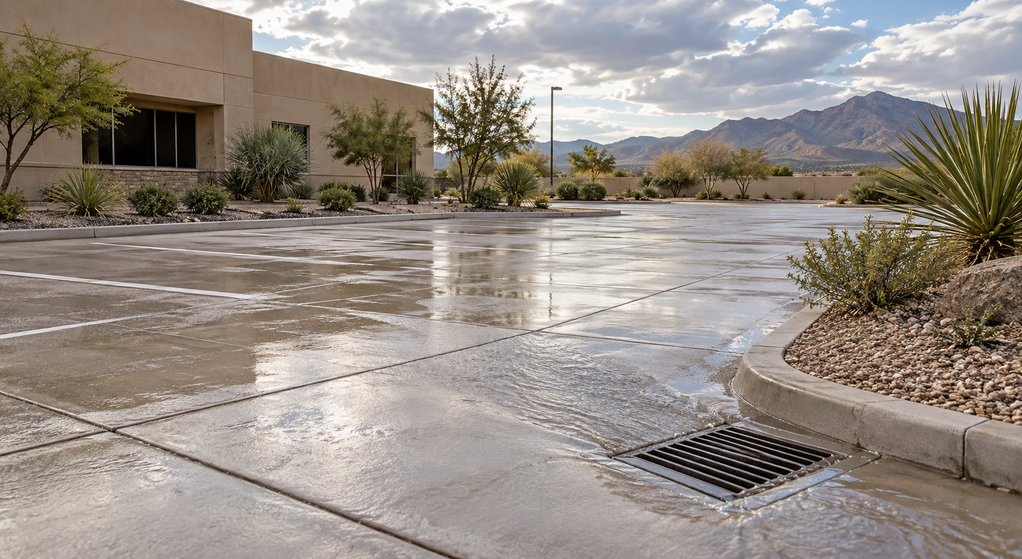
What to Expect During a Concrete Driveway Installation in El Paso
Process Breakdown: Concrete driveway installation in El Paso follows a structured process that prioritizes soil preparation, reinforcement, slope calibration, and controlled curing to handle heat and ground movement. When each phase is executed correctly, homeowners can expect a durable, well-drained driveway that performs reliably in harsh desert conditions.
In El Paso, most driveway issues are not caused by the concrete mix itself. They are caused by shortcuts during preparation, improper slope planning, and poor moisture control. Professional driveway installation services in El Paso follow a deliberate sequence designed to account for soil movement, heat stress, and water management from the very beginning.

Site Evaluation and Pre-Installation Planning
Every concrete driveway installation should begin with a thorough site evaluation. In El Paso, this step is especially important due to the presence of expansive clay soils, caliche layers, and uneven compaction histories from prior construction.
Our concrete driveway contractors assess slope, drainage direction, soil stability, and proximity to foundations or retaining walls. Drainage planning is non-negotiable. Summer monsoon storms can produce heavy runoff in short periods, and poorly graded driveways often trap water against the slab or the home.
The driveway layout is marked only after these conditions are evaluated. Excavation depth is determined by soil quality and expected load. Skipping this assessment almost always leads to structural problems later, regardless of how strong the concrete mix may be.
Excavation and Base Preparation
Excavation removes unsuitable soil and organic material so the slab rests on a stable foundation. In El Paso, this often means cutting through caliche or replacing expansive soils with engineered base material.
Base preparation is the most critical phase of the entire project. A compacted aggregate base distributes vehicle loads evenly and reduces movement caused by moisture changes. The base is compacted in layers to achieve uniform density across the entire footprint.
When this step is rushed or skipped, the slab may settle unevenly. Settlement cracks are among the most common driveway failures in the region, and they are almost always traced back to poor base preparation rather than concrete quality.
Reinforcement Installation
Concrete cracks. This is unavoidable. The goal of reinforcement is not to prevent cracking but to control it.
In El Paso driveways, steel reinforcement such as rebar or wire mesh is widely used to provide structural continuity across the slab. Fiber additives alone may improve surface performance, but they do not replace proper steel placement for load distribution.
Reinforcement must be positioned correctly within the slab. Steel that rests directly on the base offers little benefit. When placed at the correct height, reinforcement helps manage stress caused by temperature swings and soil movement, both of which are common in desert environments.
Formwork and Slope Calibration
Formwork defines the driveway’s shape, elevation, and edges. This stage determines how water moves across the surface and away from structures.
Improper slope calibration is one of the most frequent installation mistakes. Driveways must slope away from the home and toward appropriate drainage paths. Even slight errors can lead to standing water, erosion beneath the slab, or water intrusion near foundations.

Accurate slope calibration relies on precise measurement tools rather than visual judgment. Forms must also be secured tightly to prevent movement during the pour. Shifting formwork can compromise both surface uniformity and drainage performance.
Accurate grading plays a critical role in preventing drainage issues and structural stress in concrete surfaces. Learn how precision grading and laser-leveling prevent expensive concrete failures in El Paso to protect your investment and avoid costly repairs.
Concrete Placement and Pour Timing
Concrete placement is time-sensitive in El Paso’s climate. High temperatures accelerate setting, which reduces workability and increases the risk of surface defects.
For this reason, pours are often scheduled during early morning hours. Most residential driveways use a minimum 3000 PSI concrete mix, which balances durability with finish quality. Higher-strength mixes may be used when heavier vehicle loads are expected.
Concrete is poured evenly within the forms and worked continuously to avoid cold joints. Delays or interruptions during placement can weaken the slab and create visible inconsistencies that affect both strength and appearance.
Pouring a concrete driveway requires careful consideration of local conditions, materials, and long-term performance. Learn the essential factors to consider before pouring a concrete driveway in El Paso to ensure durable and reliable results.
Finishing Methods and Control Joint Placement
Finishing determines surface texture, traction, and long-term wear. In El Paso, broom finishes are commonly used because they provide slip resistance and reduce glare under intense sunlight.
Decorative finishes such as stamped concrete or exposed aggregate require precise timing and additional skill. These finishes must be applied at the correct consistency to avoid surface defects or uneven texture.
Control joints are placed to guide cracking into planned locations. Proper joint spacing significantly reduces random cracking. While all concrete will crack over time, joints ensure those cracks are controlled and less noticeable.

Curing and Moisture Management
Curing is often misunderstood. Concrete does not gain strength by drying. It gains strength through hydration.
In El Paso’s arid environment, uncontrolled moisture loss can weaken surface strength and increase cracking risk. Curing compounds, protective coverings, or controlled moisture application are used to slow evaporation during the early curing period.
Foot traffic is typically allowed after 24 to 48 hours, while vehicle traffic is delayed for several days. Full strength development continues for approximately 28 days, even though the surface may appear finished much sooner.
Concrete performance is closely tied to the conditions present during placement and curing.
Learn how weather conditions affect concrete pouring and curing
to avoid common issues and achieve long-lasting results.
Post-Installation Expectations and Maintenance
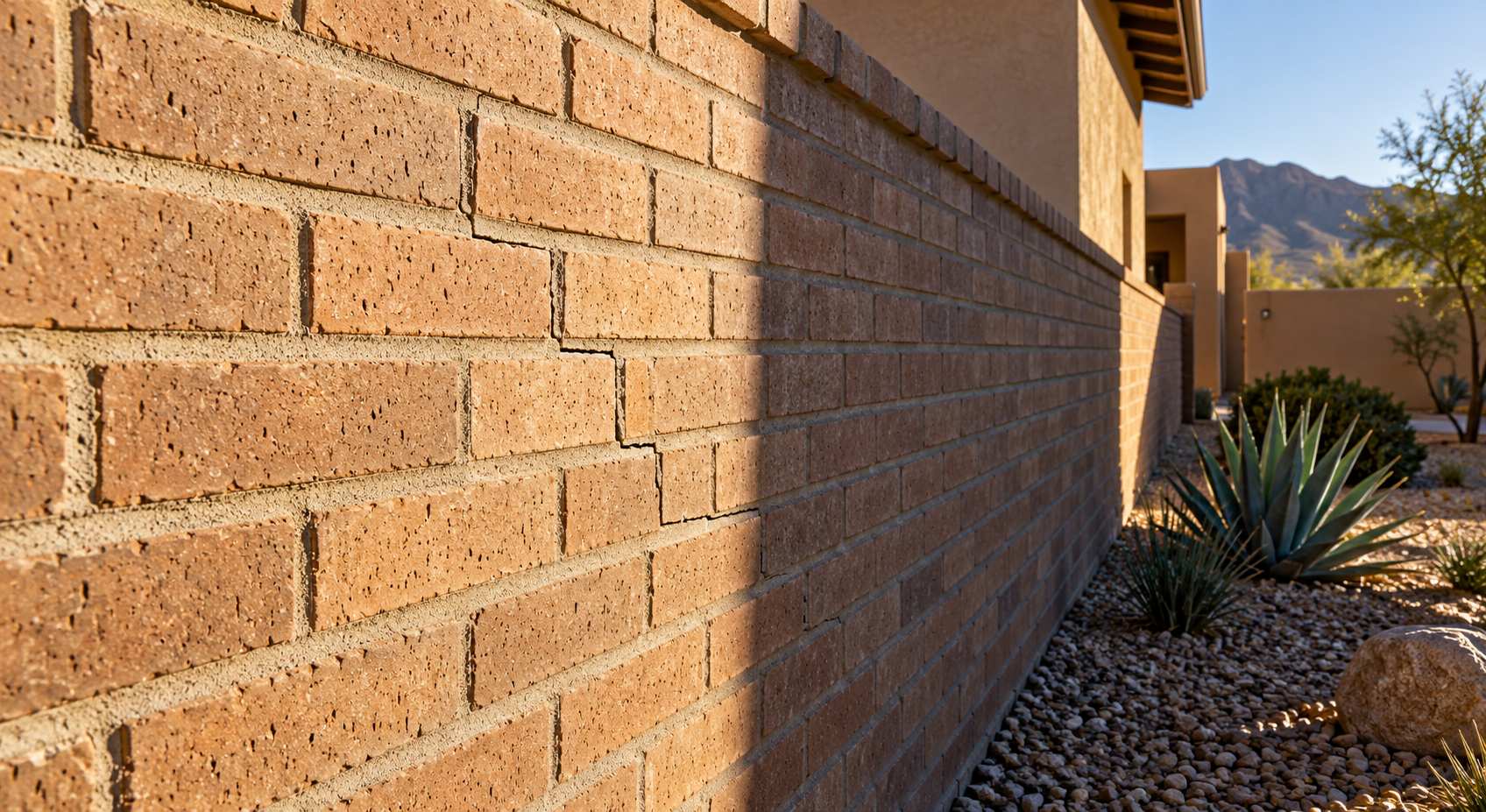
After installation, some changes are normal. Minor hairline cracks and slight color variation often appear as the slab cures and adjusts to environmental conditions. These changes do not indicate failure.
Sealing is usually performed after curing to protect against stains, UV exposure, and moisture intrusion. In El Paso, sealing helps reduce surface wear caused by prolonged sun exposure and temperature extremes.
Long-Term Performance in El Paso Conditions
Concrete driveways perform well in El Paso when installation follows regional best practices. Most failures occur when preparation, reinforcement placement, or curing is rushed or ignored.
Understanding the installation process allows homeowners to evaluate quality based on structure and function rather than surface appearance alone. A concrete driveway is a structural system influenced by soil behavior, climate stress, and construction precision.
When each stage is executed correctly, a concrete driveway delivers durability, functionality, and long-term value. In El Paso’s demanding environment, careful planning and adherence to professional standards are essential for results that last.