Essential Factors to Consider Before Pouring a Concrete Driveway in El Paso
Property Fit Check: Concrete driveway performance in El Paso depends on proper soil preparation, reinforcement, mix strength, drainage, and curing tailored to desert conditions. When these factors are carefully planned and executed, homeowners can avoid premature cracking and ensure a durable driveway built to handle heat, soil movement, and real-world use.
One of the biggest mistakes people make is assuming that concrete is just concrete. In reality, the mix strength, moisture content, additives, and finishing techniques all influence longevity. In El Paso’s extreme heat, low humidity, and fluctuating temperatures, these details matter even more. Expert concrete driveway services in El Paso with regional experience tend to follow stricter standards because they have seen what happens when shortcuts are taken. A driveway may last decades when constructed correctly, but poor planning can cut its lifespan dramatically.
Soil Behavior Should Be the Starting Point
Before choosing a design or layout, the condition of the soil beneath the driveway deserves close attention. El Paso’s ground composition varies from sandy soils to compacted caliche. Each soil type responds differently to moisture and weight, and ignoring this leads to long-term problems. Some soils shift when exposed to water, while others expand, contract, or lose compaction during seasonal temperature swings. If the base layer is unstable, no concrete mix will save the driveway from future cracking.
The most reliable approach
our concrete driveway specialists
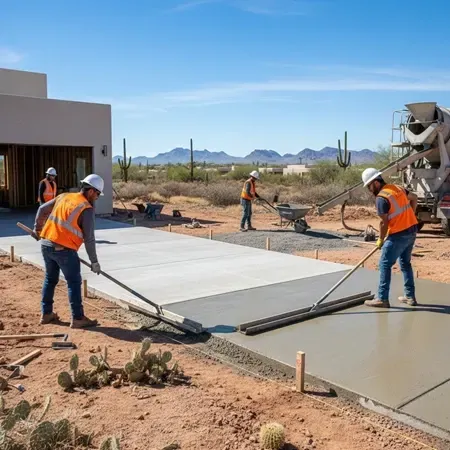
recommend is to evaluate the soil and prepare a strong sub-base. A compacted layer of road base material reduces movement and increases load-bearing capacity. In many cases, proper grading prevents water from pooling beneath the slab, which is essential in the desert climate where sudden storms can wash out poorly prepared ground. Investing in correct soil preparation always pays off because a driveway is only as strong as the foundation beneath it.
Thickness and Reinforcement Are Not Optional
Each region has its own structural expectations for concrete driveways, and El Paso often requires stronger reinforcement because of soil movement and thermal expansion. A four-inch slab may be standard, but many professionals in West Texas prefer thicker installations for long-term durability, especially on driveways expected to hold heavy vehicles.
Rebar or wire mesh helps maintain structural integrity. Without reinforcement, the slab is vulnerable to shifting, cracking, and separating at the joints. Reinforcement distributes weight more evenly and resists tension forces created by heat and soil movement. Homeowners often underestimate how much reinforcement contributes to overall performance, yet it is one of the simplest ways to strengthen a driveway for decades.
If you want to understand what truly keeps concrete strong in El Paso’s heat, take a closer look at the science behind 3000 PSI mixes and precise slope calibration.
Slope and Drainage Planning Directly Affect Longevity
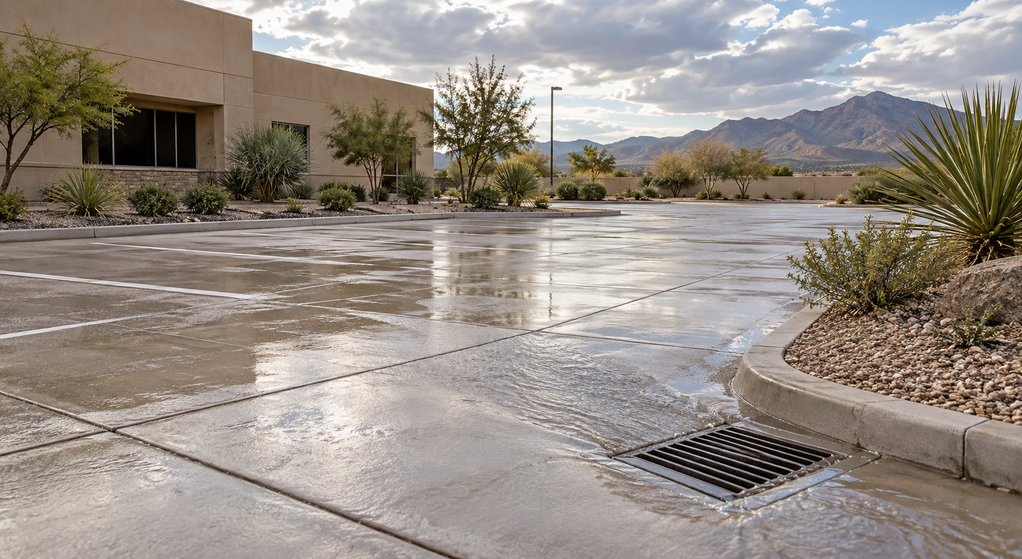
Even the strongest concrete will deteriorate prematurely if water has nowhere to go. Proper slope is essential in El Paso because sudden rainfall can overwhelm flat surfaces. A functional driveway should be graded to direct water away from the home and toward approved drainage areas. Without this, water collects beneath the slab or against the foundation of the house.
Accurate slope planning requires precise measurement tools. Small errors in elevation can create pooling that seems minor in the beginning but eventually causes erosion or undermines the sub-base. Drainage must be calculated with intention. A driveway that drains correctly from day one will remain stable for many years.

Concrete Mix Strength Should Match El Paso’s Climate
Not all concrete mixes are suitable for intense desert heat. A minimum 3000 PSI mix is common for driveways, but many experienced builders in El Paso prefer stronger variations because of temperature fluctuations that cause contraction and expansion. A higher strength mix offers better resistance to cracking, surface wear, and stress from vehicle weight.
The mix also needs the right balance of water and additives to prevent premature drying in high temperatures. Concrete that cures too quickly becomes brittle. Builders often adjust timing and moisture levels to ensure slow, even curing. This step is one of the clearest indicators of professional expertise because mistakes during curing can compromise the entire slab.
El Paso’s climate can be unforgiving, and understanding how heat shapes the lifespan of your driveway is essential. Learn more in this guide on how sun exposure affects concrete in our region.
Curing and Timing Affect the Final Result
Curing is often overlooked by homeowners, yet it is one of the most critical phases of installation. In the El Paso heat, curing must be controlled carefully. The driveway should be kept moist and shaded when necessary to slow the evaporation rate. If not, shrinkage cracks will form early, and the surface strength will be reduced.
Driving on the slab too soon also causes damage. Most professionals recommend waiting at least a week before vehicle use, although full curing continues for nearly a month. Adhering to proper curing time may feel inconvenient, but skipping this step almost guarantees problems later.
Expansion Joints Protect Against Temperature Stress
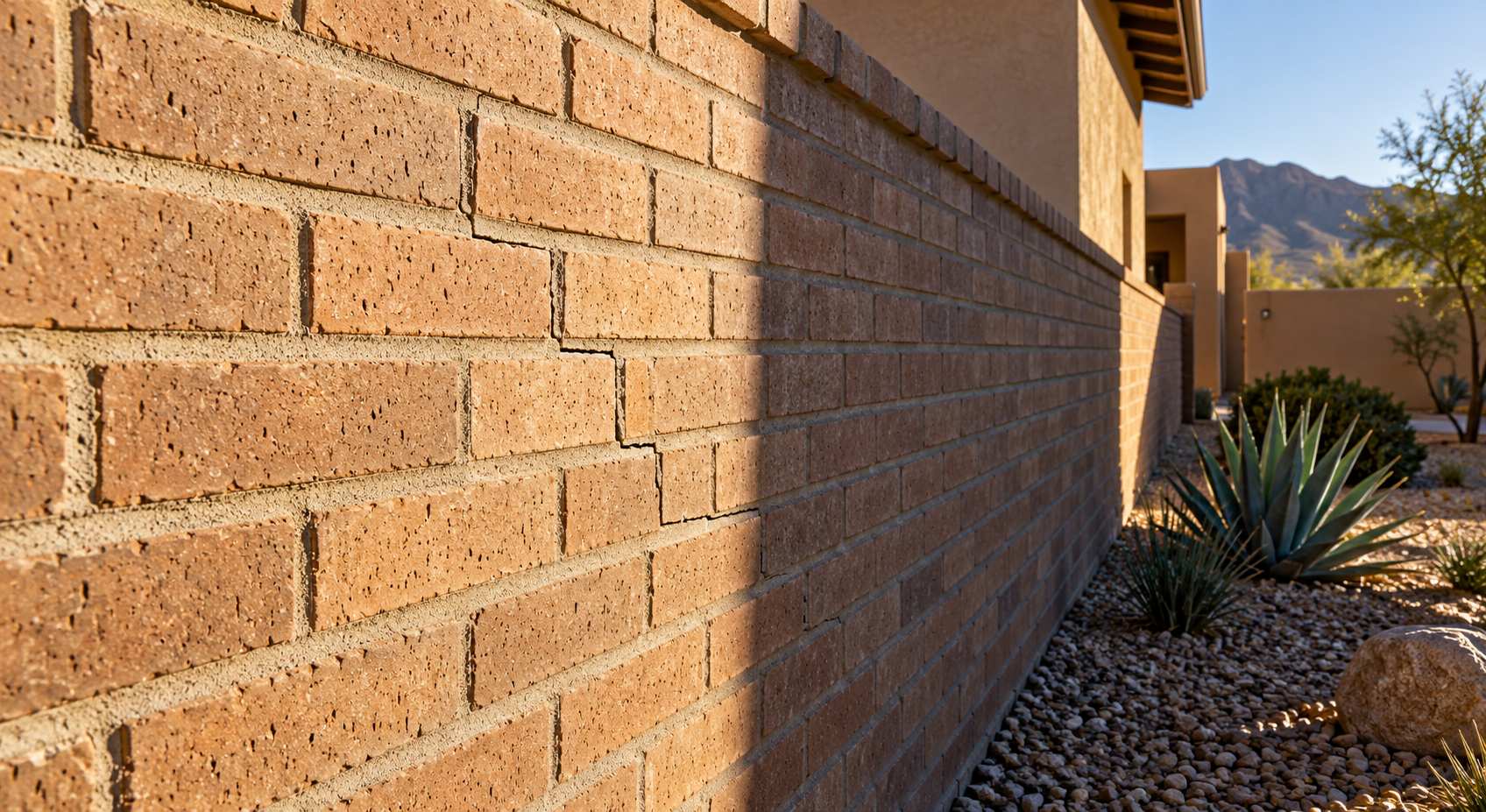
El Paso’s daily temperature swings place stress on concrete. Expansion joints help the slab manage this movement by offering controlled spaces where the concrete can expand and contract. Without these joints, the slab will create its own cracks. Properly placed joints reduce random cracking and keep the driveway looking clean and structured.
Spacing and placement depend on the driveway’s size and shape. Experienced builders plan strategic joint locations to ensure that any natural cracking occurs along neat, predictable lines rather than breaking through the main surface.

A Driveway Should Be Designed for Its Real Use
Finally, homeowners should consider how the driveway will actually be used. Large vehicles, frequent parking, trailers, or heavy equipment change what the slab must withstand. The design should reflect these needs.
Ignoring real-world use leads to disappointment because a driveway that holds a sedan may not withstand a truck or RV.
Thinking realistically about load, wear, and environmental exposure leads to better outcomes and prevents avoidable repairs. A driveway is a long-term investment, and planning for future needs is wiser than building for the minimum requirements.