The Impact of Sun Exposure and Heat on Concrete Driveways in El Paso
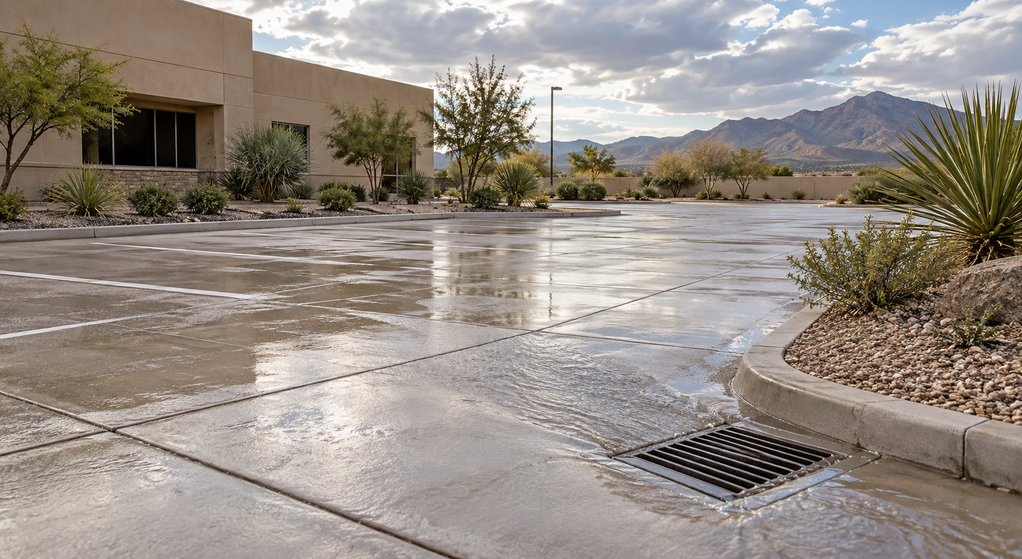
Local Insight: Concrete durability in El Paso depends on using at least a 3000 PSI mix and precise slope calibration to handle heat, soil movement, and water flow. When combined with proper soil preparation and controlled curing, these factors prevent premature cracking and ensure long-lasting, structurally sound concrete.
If you live in El Paso, haven’t you seen what the desert climate can do to concrete? Drive through almost any neighborhood and you’ll spot fading color, hairline cracks running across driveways, or concrete slabs that have lifted just enough to create a tripping hazard. Some people assume it is simply “old concrete,” but the truth is far more specific. The intense sun exposure and extreme heat in El Paso change how concrete behaves, ages, cures, and ultimately survives long-term.
Why Concrete in El Paso Heats Faster and Breaks Down Sooner
El Paso is a city where summer temperatures routinely hover above 100 degrees. According to concrete driveway services in El Paso, concrete can reach surface temperatures far beyond that, often climbing to 140 to 160 degrees under full sun. At that point, the material expands significantly. When temperatures drop at night, it cools rapidly and contracts. When this becomes a cycle, it creates stress on the slab.
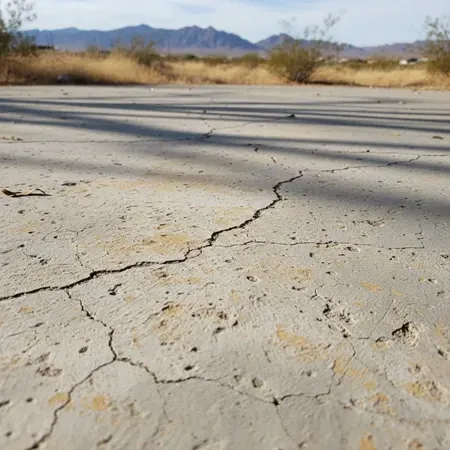
People often blame cars or age for cracks, but the expansion and contraction cycle is the real driver.
It is not only the heat. The ultraviolet (UV) exposure here is higher than in most US cities. Constant UV radiation weakens the surface layer of concrete, breaks down sealers, and accelerates discoloration. You will notice driveways in shaded areas last longer and look better. That is not a coincidence.
Some might argue that all concrete cracks, yet in El Paso, the pace and intensity of deterioration is unmatched because of the climate. The desert sun forces concrete to
How Heat Interferes With Concrete Curing and Strength
Concrete does not reach its full strength on the day it is poured. It cures over time, and the curing environment matters. High heat can cause the surface of a new driveway to dry too quickly, which traps moisture beneath the top layer. This results in a weak surface that flakes or powders. This issue is known as surface scaling.
Another problem our concrete driveway experts often encounter is rapid evaporation. Concrete needs controlled moisture to develop internal strength. When water evaporates too quickly, the slab becomes more porous and more vulnerable to long-term cracking. In El Paso, evaporation can begin almost instantly, especially when concrete is poured in the middle of the day.
Construction professionals who understand the local conditions adapt by scheduling earlier pours, using specific mixes, and managing moisture with proper techniques.
The climate does not give second chances, and inadequate curing leads to problems that can appear within the first year and worsen steadily afterward. See how weather affects concrete pouring and curing so you can plan projects with better accuracy and results.
Soil Movement Under Driveways: The Hidden Threat
The sun affects more than the concrete itself. It affects the ground beneath it. El Paso’s soil contains areas of clay that expand with water and shrink during dry heat. When the heat dries the soil, it pulls away from the slab, leaving voids beneath the driveway. Over time, the unsupported sections begin to sink or tilt.
Homeowners often do not see this process happening, but they notice its impact. Lifted corners, sunken panels, or cracking at the weakest points become common. Heat intensifies soil shifting because it increases evaporation and reduces ground moisture to extremely low levels. You can seal or clean a driveway as much as you want, but if it is resting on unstable ground, movement is inevitable.
Professionals who work in the region take this seriously, often reinforcing driveways with proper grading, base compaction, and engineered slopes. These steps are not optional in a desert climate. Without them, the sun’s effect on the soil becomes the first step in structural failure.
Concrete only performs as well as the planning behind it. Discover why civil engineering expertise matters in every El Paso concrete project and how it shapes long-term durability.

Fading, Discoloration, and Surface Damage from UV Exposure
People underestimate the visual damage caused by sunlight. UV radiation breaks down the chemical bonds in the top layer of concrete, especially if the driveway has pigments, stains, or topical sealers. This is why so many El Paso driveways turn pale, patchy, or uneven in color after only a few summers.
Unsealed concrete is even more vulnerable. The surface becomes increasingly porous, allowing water, oil, and automotive fluids to absorb quickly. While UV damage begins as a cosmetic problem, it eventually becomes structural because a weakened surface layer is more likely to chip and crack.
Some homeowners choose darker decorative finishes for style, not realizing that darker colors absorb heat at a much faster rate. That means more expansion, more stress, and faster deterioration. In a cooler climate that choice might be harmless, but in El Paso it is a direct invitation to early damage.
How Heat Accelerates Cracking and Long-Term Wear
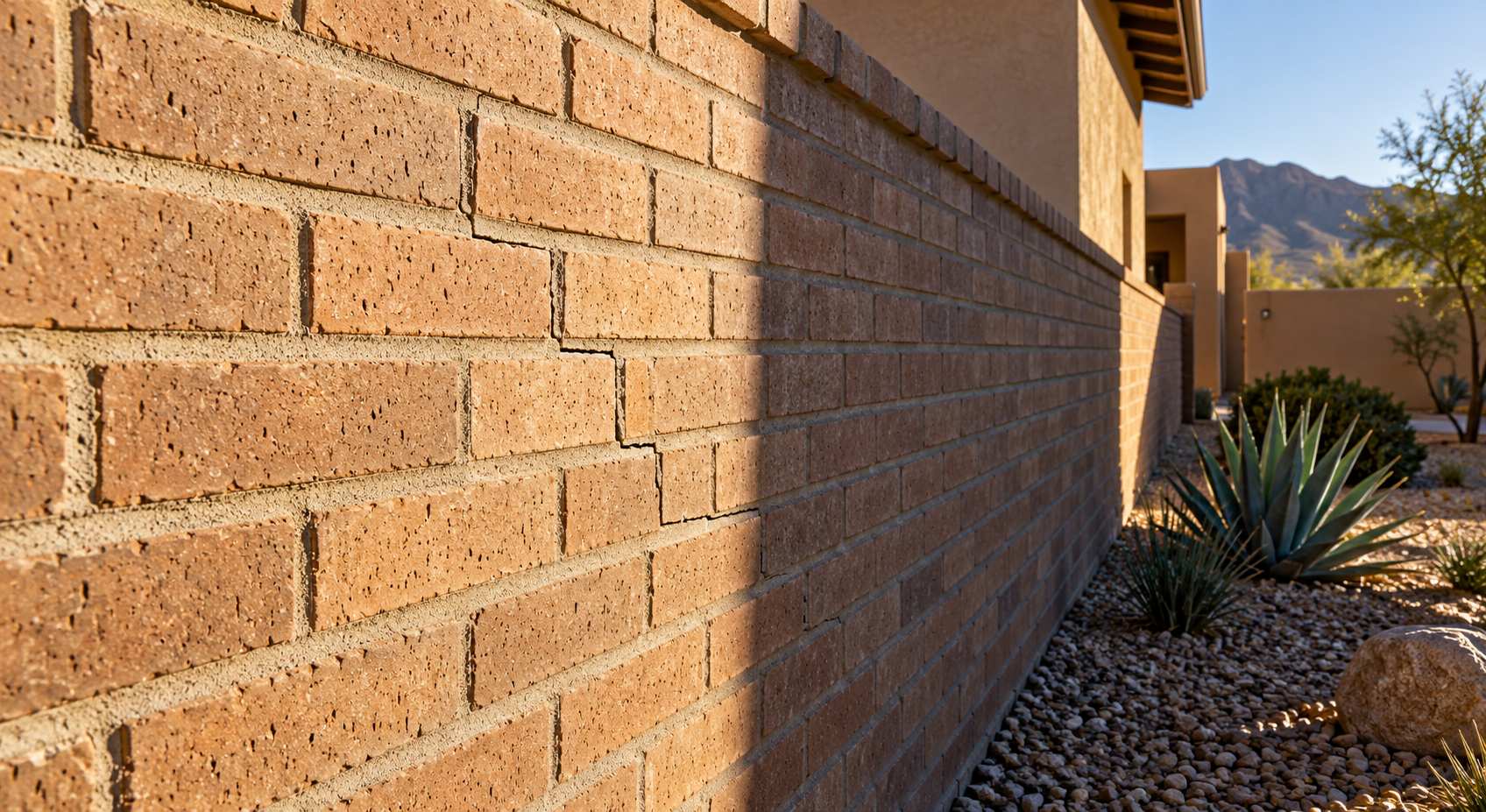
Cracks in concrete are not always a sign of poor craftsmanship. Sometimes they are simply the result of physics. Heat increases the internal pressure inside concrete slabs. When the temperature spikes quickly or unevenly, the slab expands faster than the joints can relieve the stress. Without adequate control joints, the concrete creates its own cracks. Unfortunately, these cracks usually appear across the surface where homeowners least want them.
Heat also worsens small cracks that already exist. Even a hairline crack will widen over time because heat causes expansion forces that pry the edges apart. Once open, the crack collects water when it rains. In cooler cities, that water might freeze and thaw. In El Paso the main issue is repeated evaporation cycles inside the crack, which weaken the surrounding material.
What Homeowners Can Do to Protect Their Driveway
A driveway in El Paso does not have to fail early. With the right preparation and upkeep, concrete can withstand the climate surprisingly well. Several strategies make a significant difference:
- Install proper control joints at correct spacing
- Use a minimum 3000 PSI concrete mix for durability
- Place concrete early in the day to slow evaporation
- Seal the driveway every two to three years to protect against UV exposure
- Maintain proper grading and soil compaction beneath the slab
- Avoid decorative finishes that absorb excessive heat
- Keep standing water from soaking the soil under the driveway
These steps do not eliminate the effects of the sun, but they dramatically reduce the damage it can cause.
Why Understanding Heat Impact Is Essential in El Paso
In a region with intense sunlight, rapid evaporation, and dramatic daily temperature swings, concrete driveways face challenges that are easy to ignore until the damage is already done. Heat is a constant mechanical force acting on every square inch of a driveway and not just an environmental condition.

The desert demands respect, and concrete responds to it whether we acknowledge it or not. Anyone in El Paso planning a new driveway, or hoping to preserve the one they have, should understand that the sun determines the lifespan of concrete more than anything else.