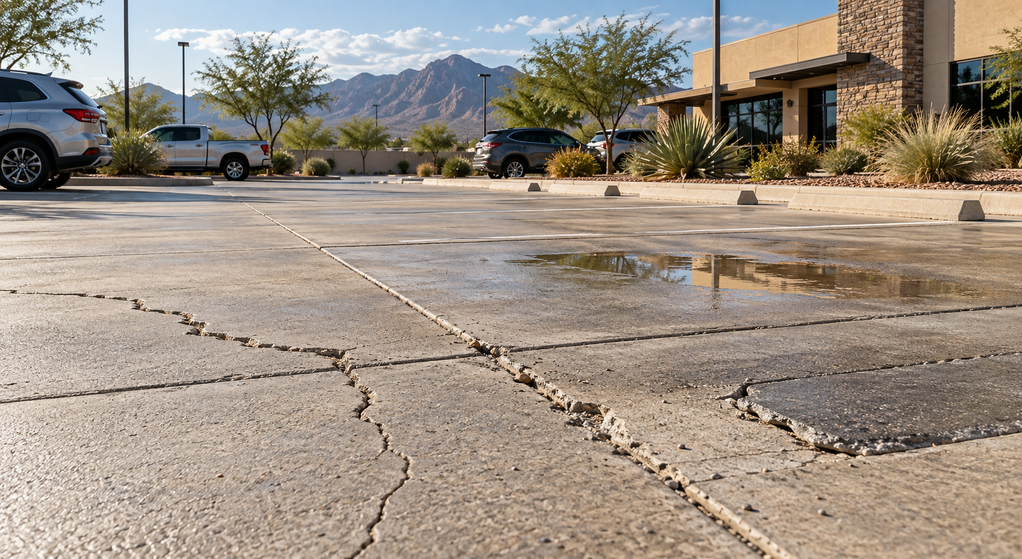
Brick vs. Concrete Block: Which Is Better for El Paso Properties?
Summary
Brick may suit El Paso projects where finished appearance and matching matter most, while concrete block can suit reinforced walls and larger enclosures. The better choice depends on wall purpose, installed cost, reinforcement, movement detailing, moisture exposure, and how the completed wall must fit existing construction.
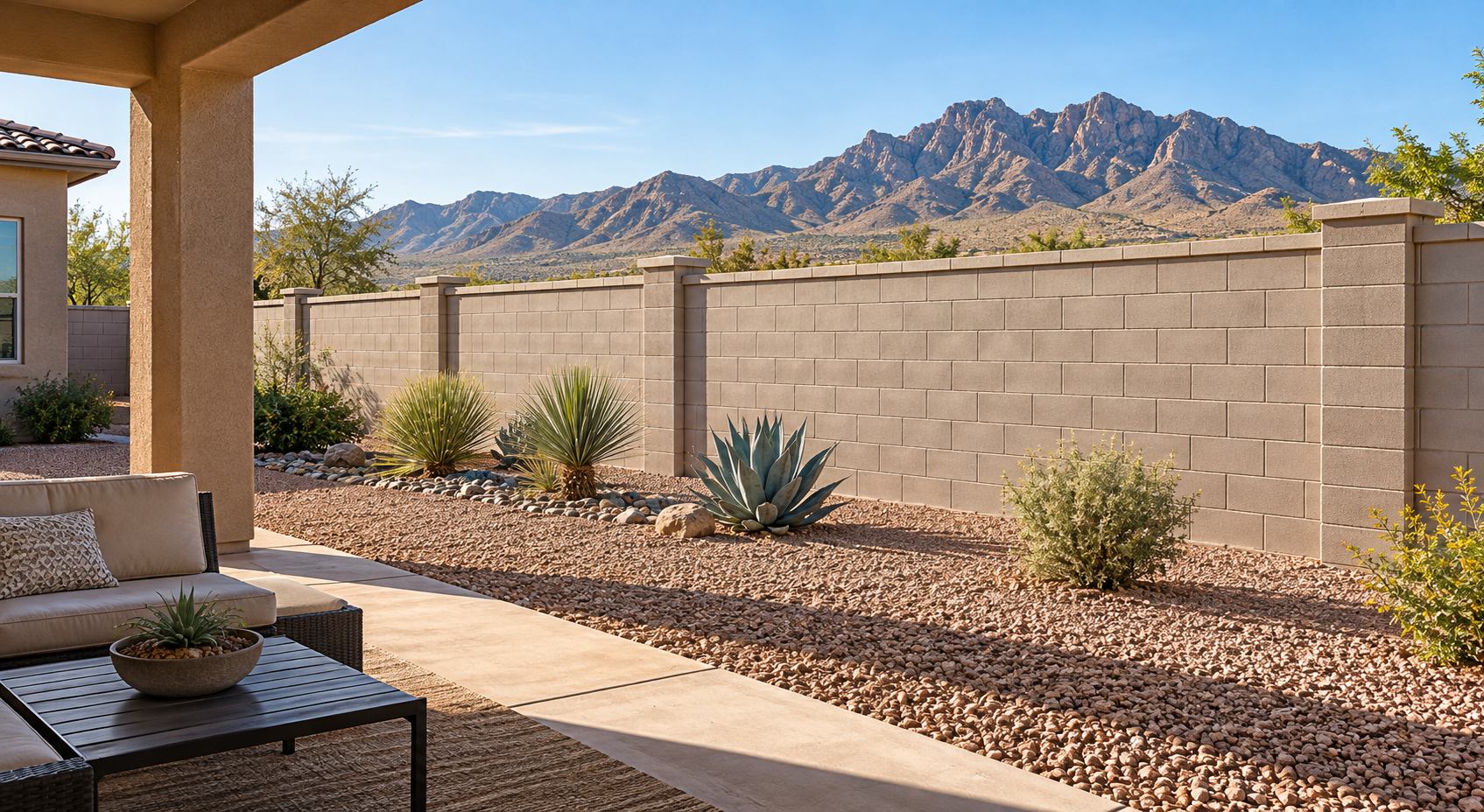
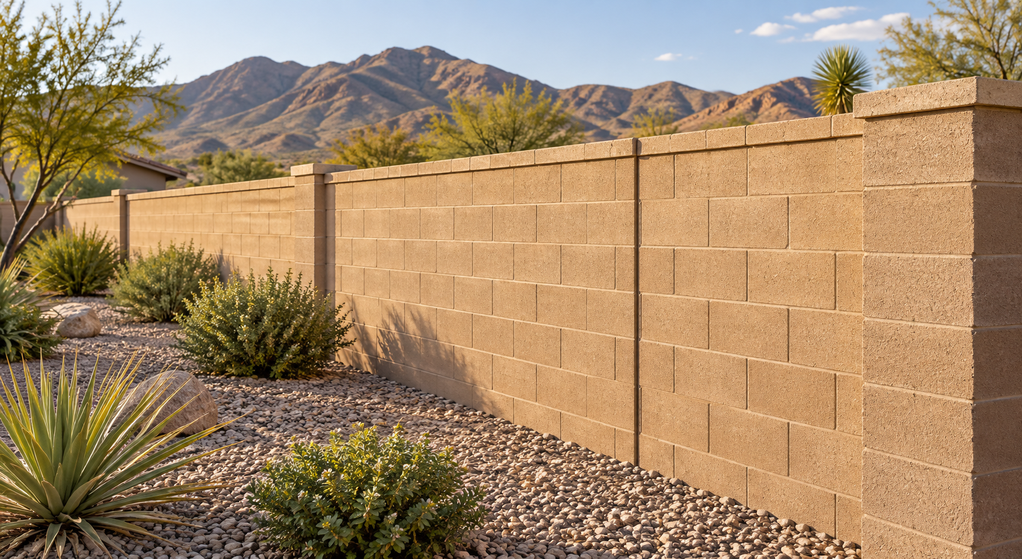
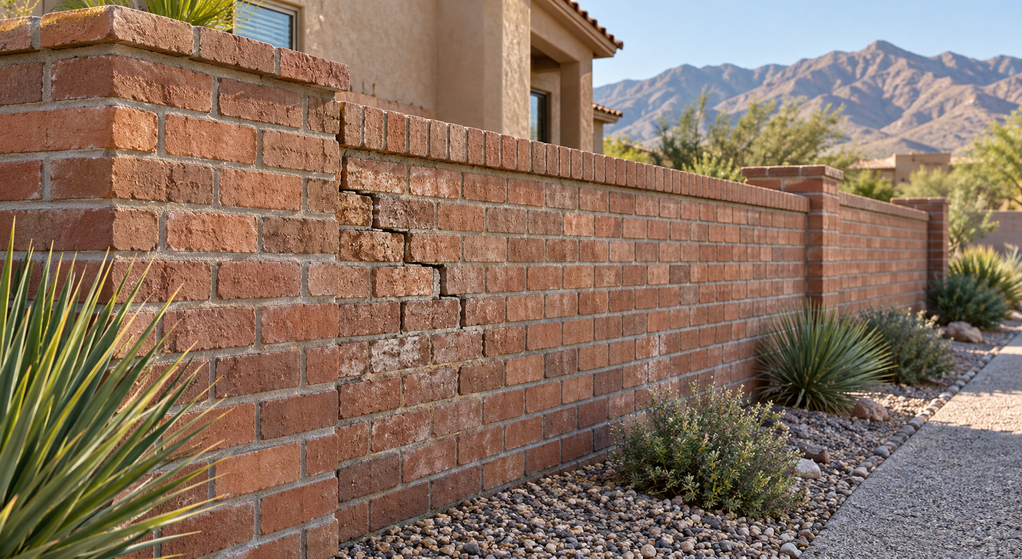
A street-facing courtyard wall and a backyard enclosure may call for different materials, even on the same property. Brick can provide the finished appearance you want without an added coating. Concrete block offers larger units and hollow cores that can accommodate reinforcement and grout where specified.
Brick and concrete block masonry services in El Paso cover both decorative and functional construction. El Paso Concrete Contractors provides brick, block, and stone masonry for residential and commercial properties.
For this comparison, “brick” means fired clay brick, and “block” means concrete masonry units, commonly called CMU. Concrete brick and segmental retaining-wall products are different options that need their own specifications.
Start With What the Wall Must Do
Before comparing colors or prices, identify whether the project is a freestanding screen, a building wall, a decorative facing, or a wall holding back soil.
Brick veneer provides an exterior finish supported and attached to a backing system. It should not be compared directly with a reinforced block wall as though both perform the same structural job. Structural brick construction also exists, but its design differs from veneer.
For a privacy wall, compare complete freestanding wall designs, including footings, height, reinforcement, and any
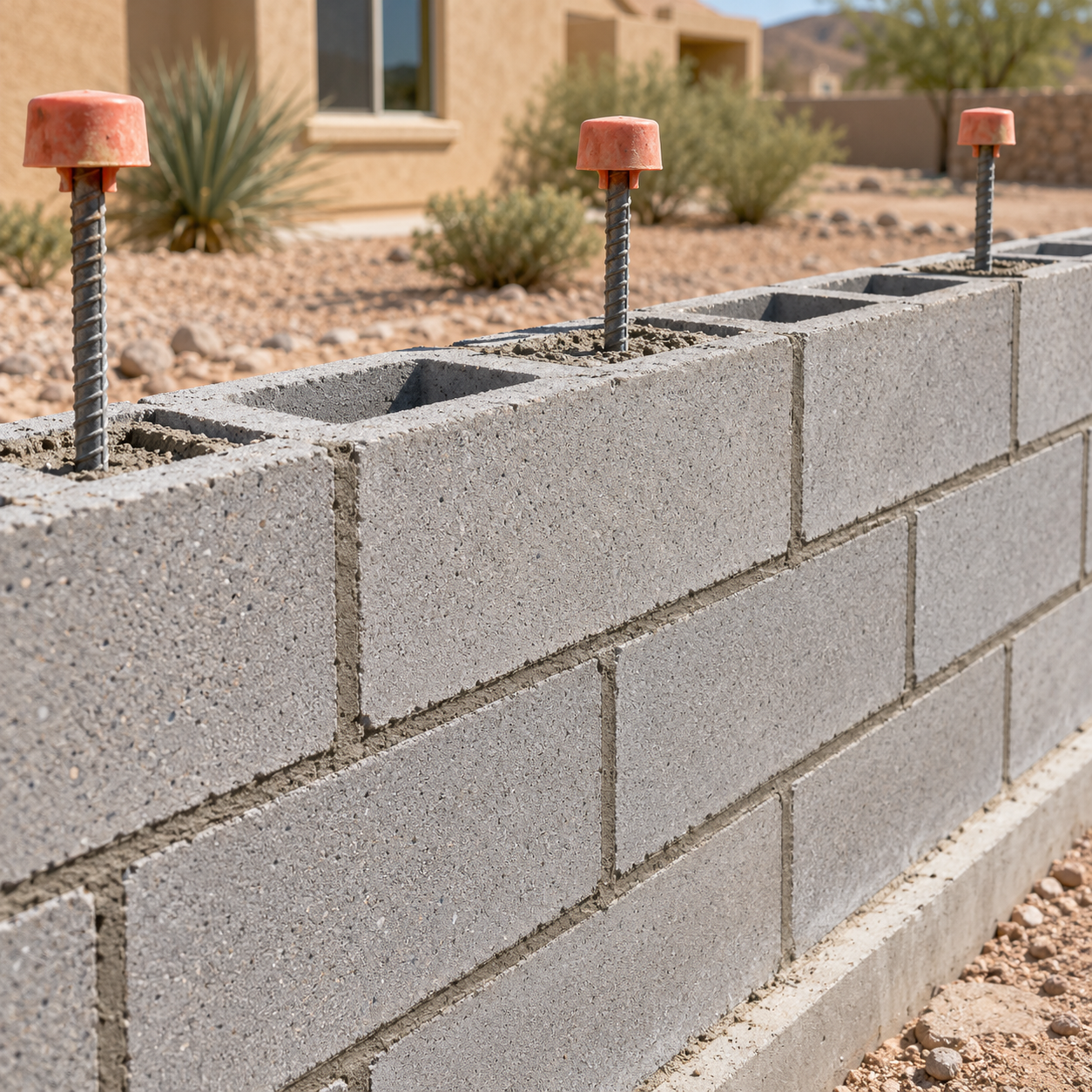
gate openings. For a retaining wall, soil pressure, drainage, and nearby loads must be addressed in the design. Choosing block does not automatically make an ordinary boundary wall suitable for retaining soil.
| Project priority | Brick may suit the project when | Concrete block may suit the project when |
|---|---|---|
| Visible finish | Brick texture and joint patterns are central to the design | Exposed architectural block or an applied finish fits the property |
| Matching existing work | Compatible brick size, color, and texture are available | The existing construction is block and can be matched |
| Reinforced construction | The specified brick assembly meets the structural needs | A reinforced CMU assembly fits the wall’s function |
| Long enclosure | The brick appearance justifies its installed cost | The specified CMU assembly and finish offer a favorable installed quote |
Compare Finished Prices, Not Individual Units
Individual unit prices are not directly comparable because brick and concrete masonry units cover different wall areas. Unit prices alone tell you little about the completed project.
Ask for estimates based on the same dimensions, wall function, and finish standard. Include excavation, footings, reinforcement, grout where required, wall caps, openings, cleanup, and access limitations. A narrow side yard can affect material handling regardless of the unit selected.
Finish costs can change the comparison substantially. Standard gray block with a stucco finish is a different purchase from exposed gray block. Architectural block is another option. Brick facing over a structural backing includes the cost of both components and their connections.
Also confirm whether both faces will remain visible. An attractive street elevation may leave an unfinished-looking yard side unless the quote specifies the treatment of each face.
El Paso Exposure Makes Movement Details Important
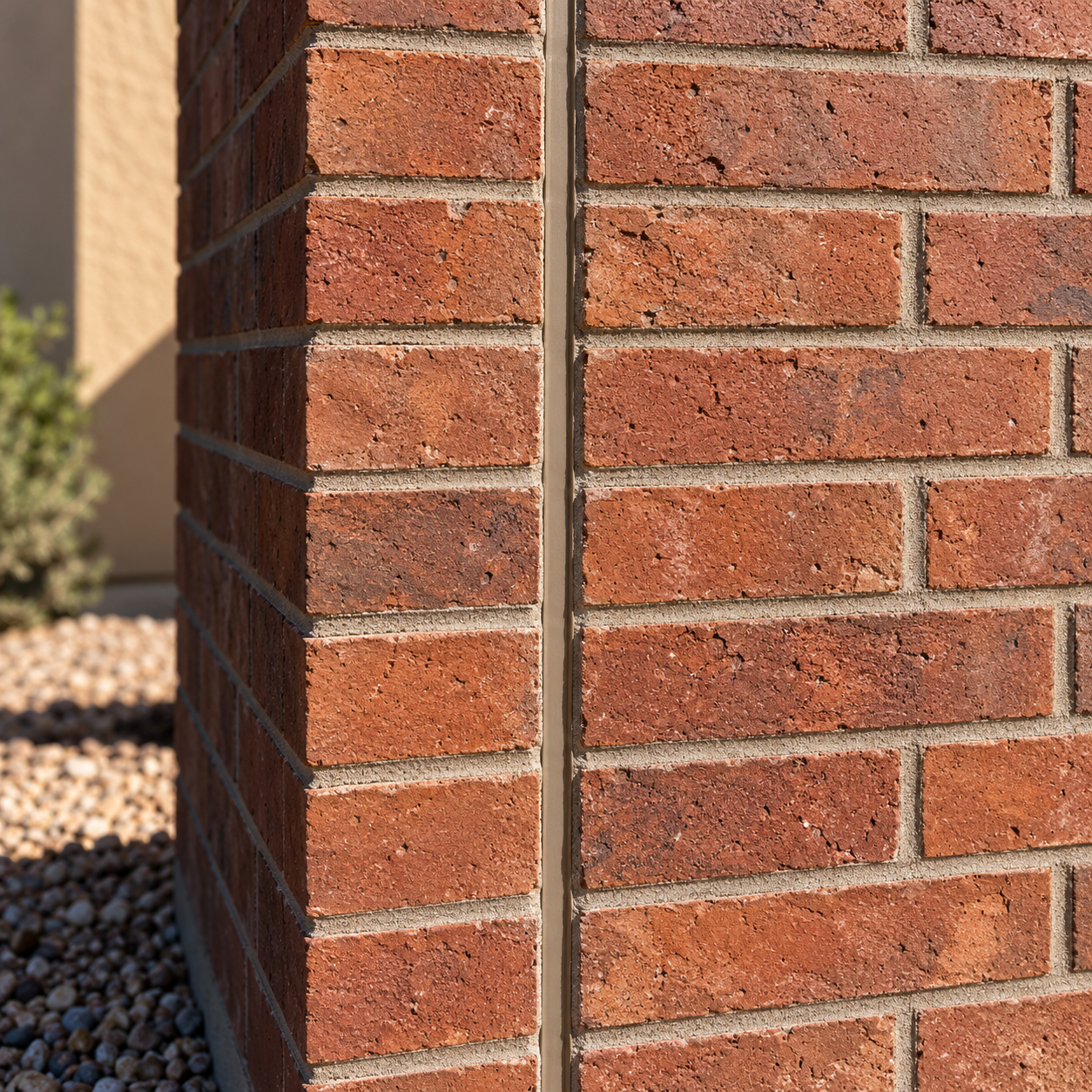
Both materials respond to temperature changes. Clay brick also tends to expand with moisture exposure over time, while concrete masonry tends to shrink as it dries. These differences matter where materials meet and along restrained wall sections.
The Concrete Masonry & Hardscapes Association’s guidance on crack control strategies for concrete masonry construction explains why differential movement must be considered when clay brick and concrete masonry are combined. Movement joints and reinforcement need to suit the assembly rather than being copied from a different wall type.
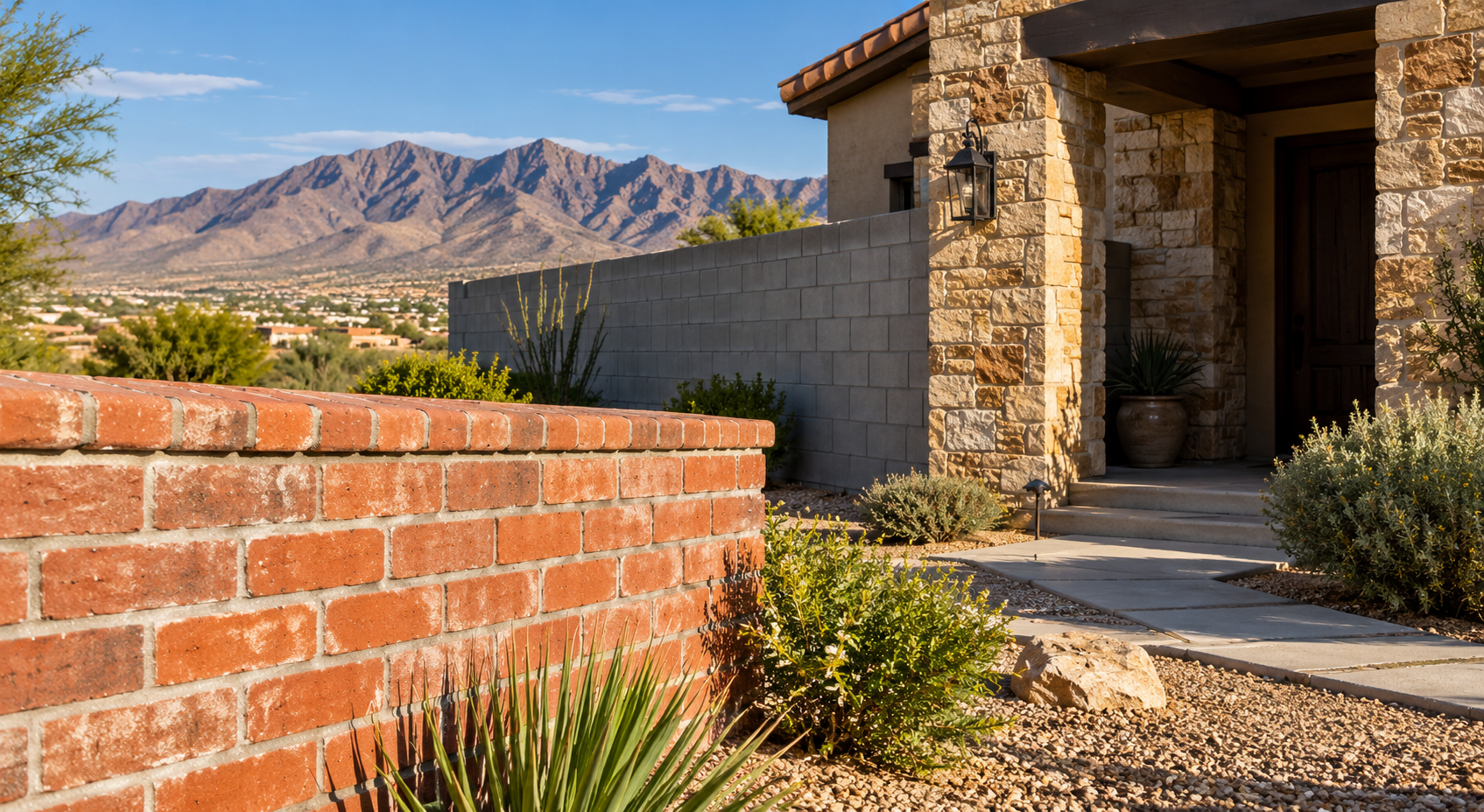
On an El Paso property, compare the exposure of a sun-facing boundary wall with a shaded entry. Ask how the design accommodates movement at corners, changes in height, and connections to existing construction.
How El Paso’s climate affects brick, block, and stone masonry explains the material-specific effects of heat, dry conditions, irrigation, and rain.
Neither brick nor block should be selected on a promise of crack-free performance.
Appearance and Future Repairs Belong in the Same Decision
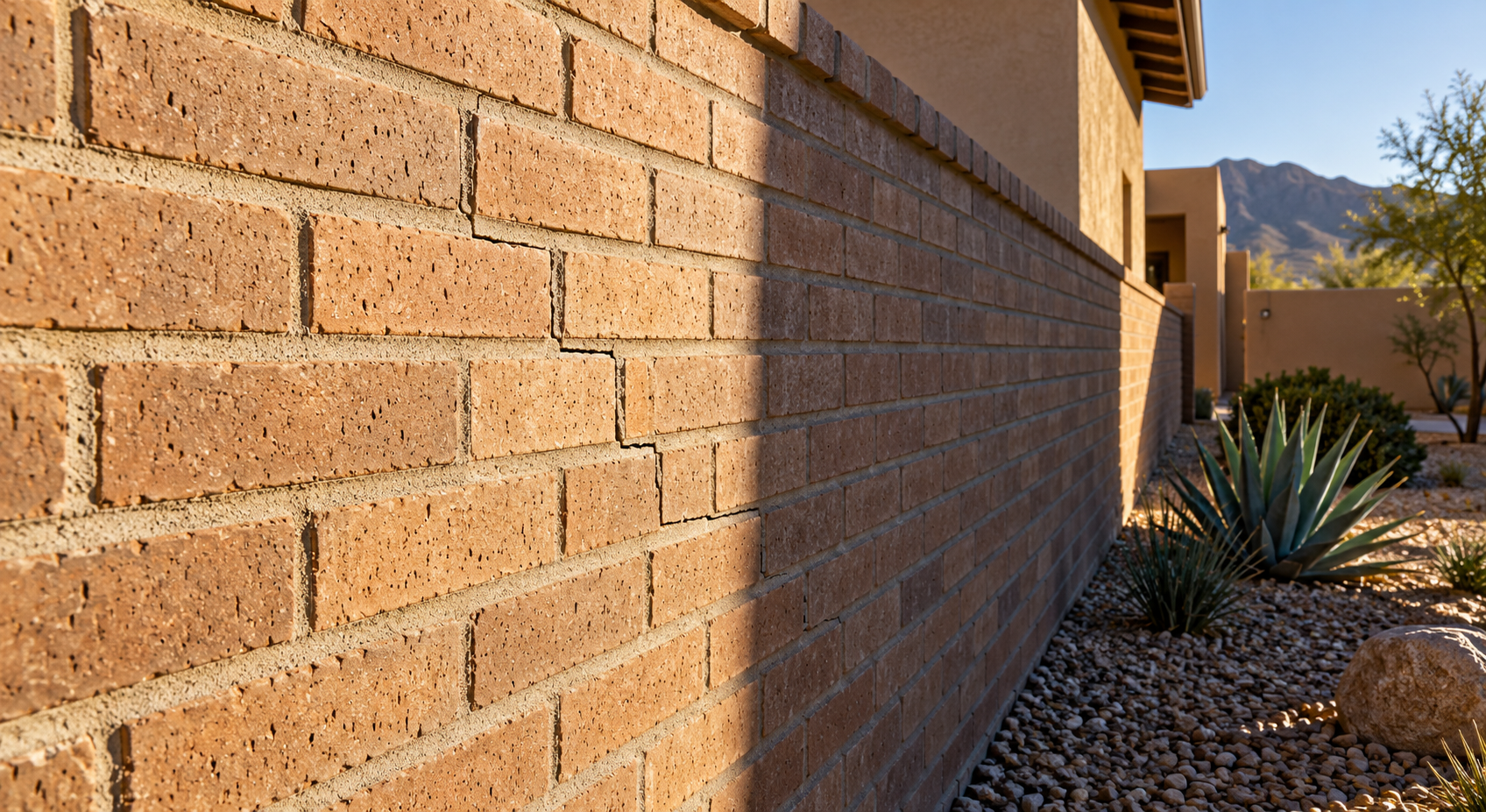
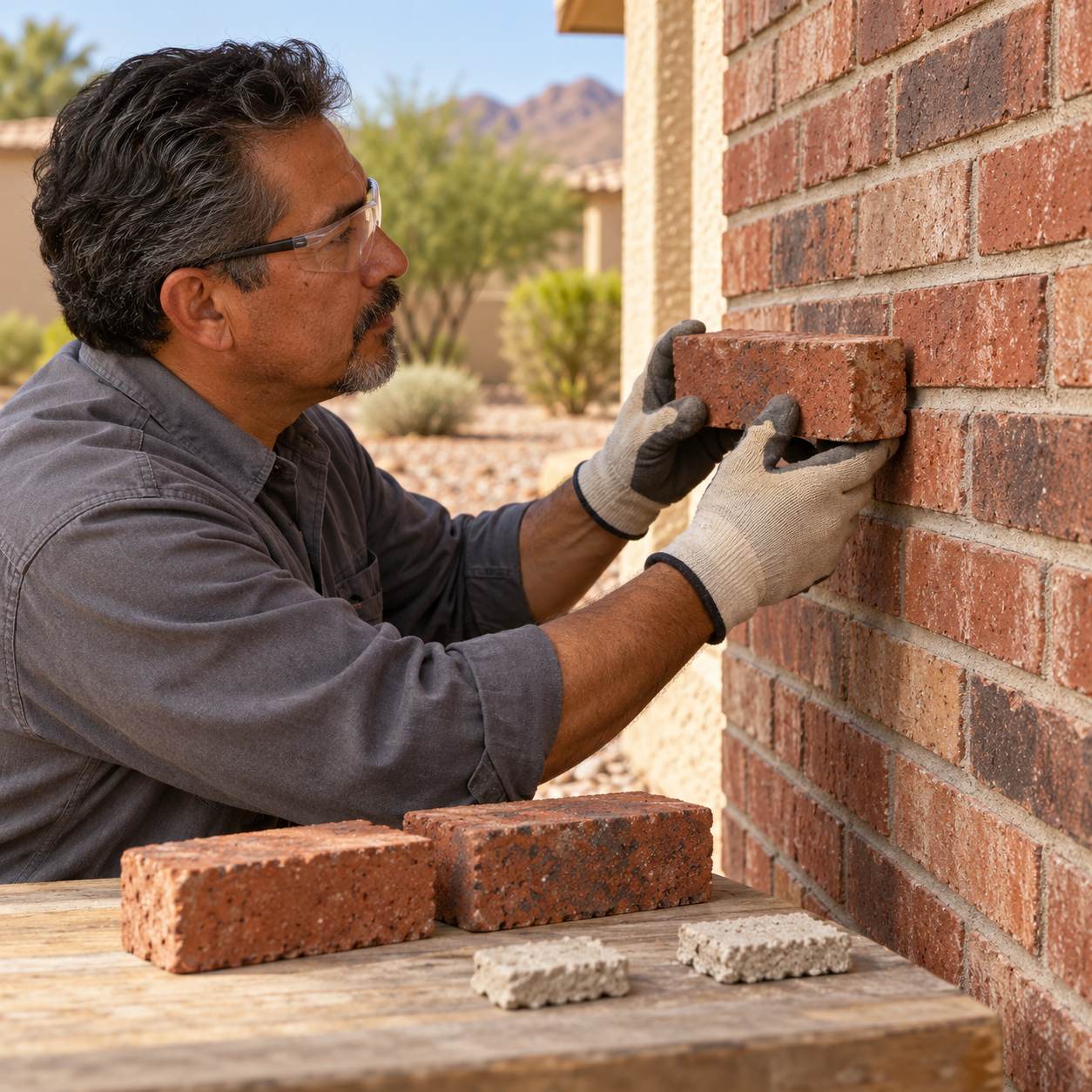
Brick offers variation in color, texture, and bond pattern. However, a close match can become difficult if the original product is discontinued. Mortar color and joint shape also influence whether a repaired section blends in.
Concrete block creates a larger repeating pattern. A coating can change its appearance, but that coating becomes part of the maintenance plan. Repainting or repairing stucco may be needed independently of the underlying masonry’s condition.
For either material, inspect nearby sprinklers, wall tops, and areas where water collects. Persistent wetting can leave staining or salt deposits and may contribute to deterioration. An applied finish should not be used to hide an unresolved moisture problem.
If replacing an existing wall, establish why it failed before choosing a different material. Common masonry problems in El Paso homes covers cracking, mortar deterioration, and other conditions that can help frame the repair discussion. A leaning or visibly shifting wall needs professional assessment before cosmetic work.
Make the Choice From Two Comparable Proposals
Bring photographs, approximate dimensions, desired finishes, and details of gates or retained soil to the planning discussion. Request a clear description of what each proposed wall includes, particularly its support, reinforcement, movement provisions, and moisture management.
Choose brick when its appearance and compatibility with the property justify the complete price. Choose concrete block when the specified assembly, finish options, and installed cost better meet the project’s needs. For an El Paso property, the strongest decision comes from comparing two suitable wall designs, with the visible material treated as one part of the purchase.

Written By:
Kurt Manalastas
Home & Property Research Journalist
Kurt is a Home & Property Research Journalist who creates educational content on home services, property improvement, and residential decision-making. He translates contractor experience, industry standards, and verified research into clear, practical guidance that helps homeowners understand their options and make informed decisions.