Why Civil Engineering Expertise Matters in Every El Paso Concrete Project
Core Insight:
Concrete projects in El Paso require civil engineering expertise to address unpredictable soils, extreme heat, and drainage challenges that directly impact durability and performance. Proper design, material selection, and structural planning ensure long-lasting results, preventing premature cracking, settlement, and costly repairs.
Many people assume El Paso concrete contractors only need tools, experience, and a crew. But El Paso’s environment challenges that assumption. Every foundation, patio, driveway, walkway, or retaining wall must be designed with engineering principles in mind. Ignoring that reality has consequences, and unfortunately, homeowners and businesses often learn this the hard way.
Unpredictable Desert Soil Requires Structural Understanding
Concrete foundation services in El Paso know how inconsistent the soil can be. Some yards are sandy, others are clay-heavy, and some contain hard caliche. These conditions can vary even within a single property. To someone without an engineering background, this may appear to be normal variation. In structural terms, however, these differences have major consequences.
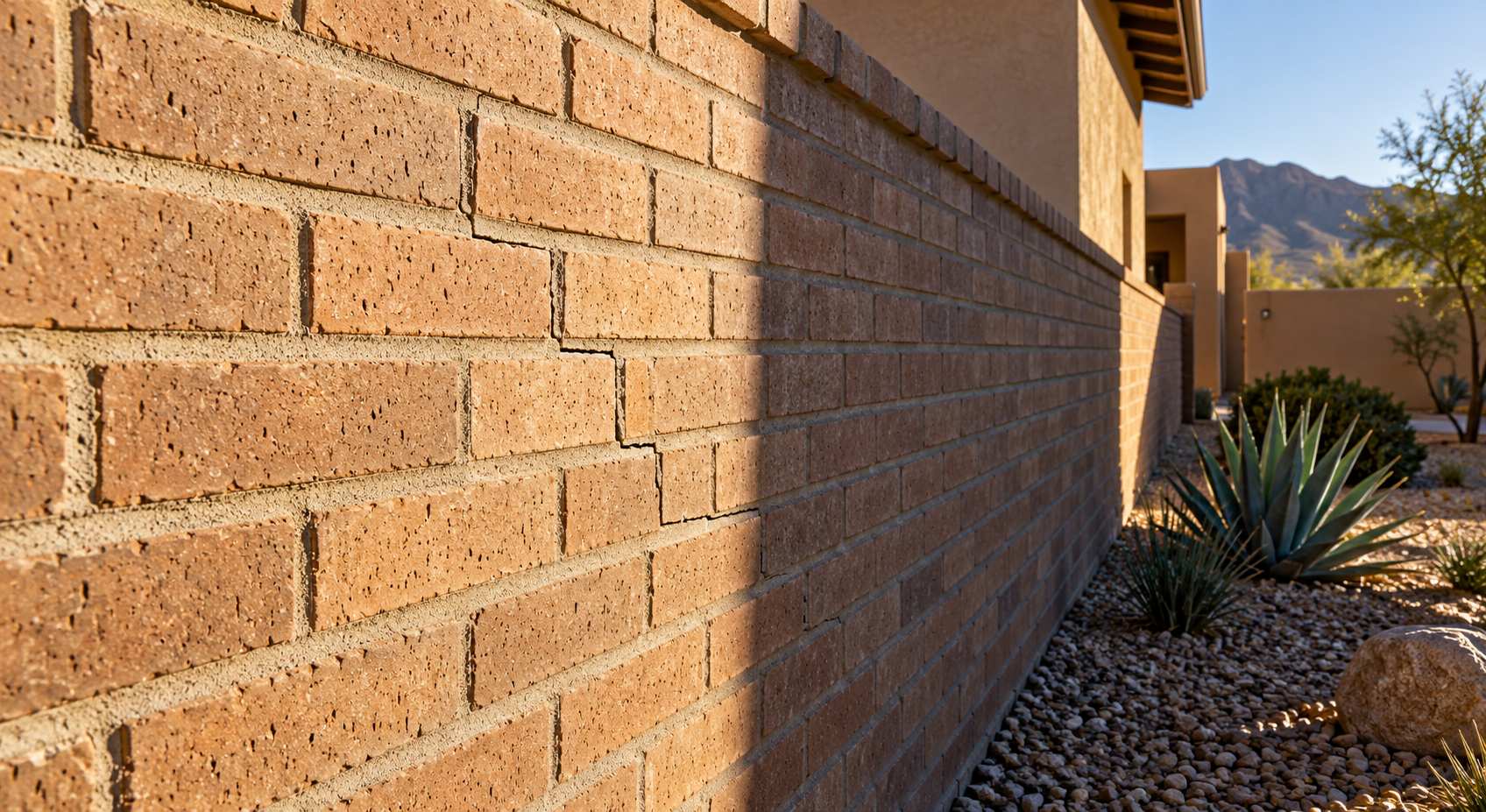
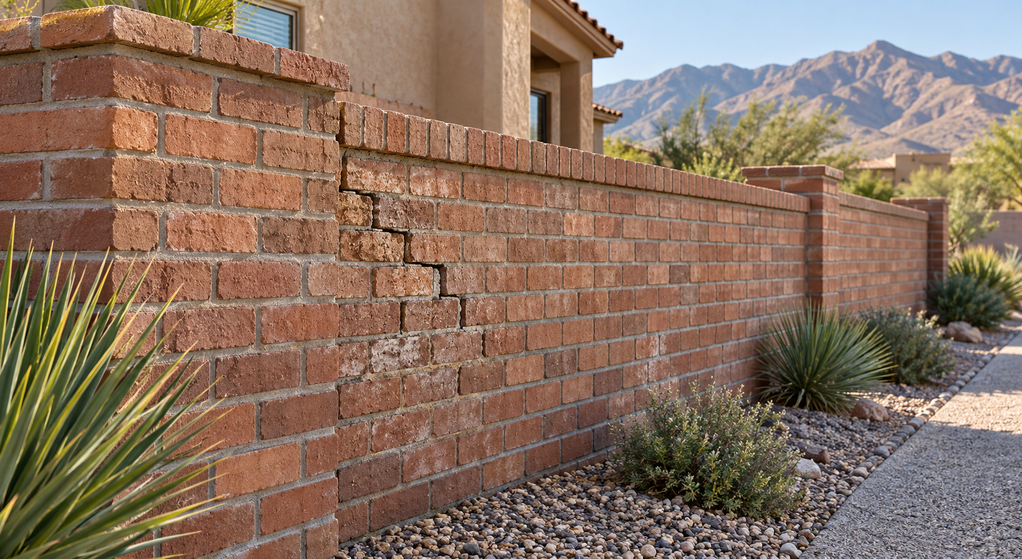
Clay expands when wet and contracts during dry periods. Sandy soil shifts more easily and does not always provide a reliable base. Caliche can create drainage barriers that trap water beneath slabs. When these factors are ignored, concrete becomes vulnerable to cracking, settlement, and premature failure.
Civil engineering transforms these unpredictable soil conditions into a manageable foundation.
Engineers know how to evaluate soil composition, determine compaction needs, and establish a stable base layer that supports long-term performance. Experience alone cannot replace the calculations and structural planning required to keep concrete from shifting or separating.
Drainage Must Be Engineered, Not Assumed
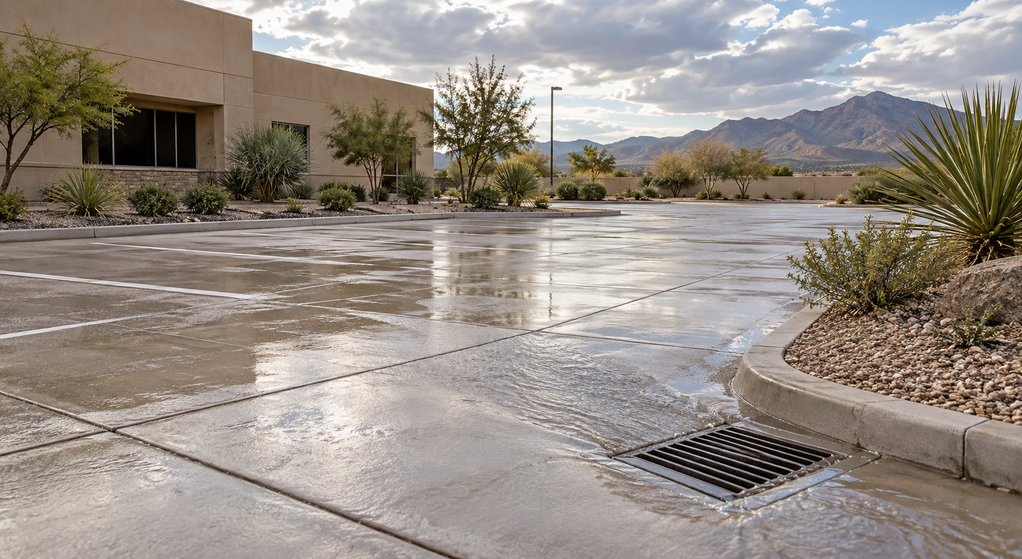
One of the most common oversights in residential and commercial concrete projects is drainage. While El Paso is known for its dry climate, heavy rainfall events happen quickly and with enough force to overwhelm poorly designed surfaces. Water will always choose the path of least resistance, which often means flowing toward a home, a garage, or the lowest part of a patio.
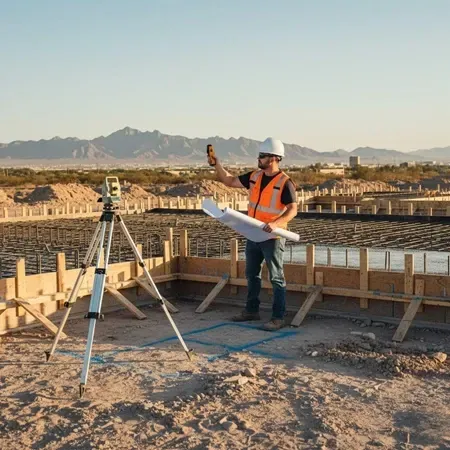
Civil engineering incorporates slope calculations, runoff direction, and surface grading that prevent these issues. Without engineered drainage, water can pool beneath slabs, erode soil, or push against structures with enough pressure to cause damage. Contractors who rely only on experience often estimate slope visually. Engineers, on the other hand, use precise optical and laser tools to achieve accurate grading that prevents long-term problems.
Proper drainage is one of the strongest indicators of a well-engineered concrete project. When it is done correctly, the surface not only looks good but also functions properly through sudden storms and seasonal changes.
Watering your yard the wrong way can take a toll on your concrete and your plants. Learn how proper irrigation planning protects your concrete and landscaping.
Concrete Strength Should Be Selected Strategically
Concrete is not a one-size-fits-all material. Structural requirements differ between patios, driveways, foundations, retaining walls, and pathways. Yet many contractors default to the same mix regardless of the project. This approach creates vulnerabilities that may not appear immediately but become visible as the slab ages.
Civil engineering defines the correct concrete strength based on load requirements, environmental factors, and expected use. In El Paso, a minimum strength of 3000 PSI is common, but some situations call for higher strength or additional reinforcement. Engineers also determine the correct type and placement of rebar or mesh, as well as the spacing of control joints that prevent uncontrolled cracking.
The difference between a structurally sound surface and a surface that fails early often comes down to these choices. Engineering ensures that decisions are based on structural needs rather than habit or convenience.
If you want your concrete to last longer and perform better, it starts with the right preparation and care. Learn the steps professionals rely on to improve durability.
Extreme Heat Demands Technical Knowledge
El Paso’s heat presents a unique challenge to concrete professionals. High temperatures accelerate moisture loss, which affects curing and long-term strength. Concrete that cures too quickly can shrink unevenly, form cracks, or lose durability. Timing, mixing techniques, and finishing methods must all be adjusted to accommodate the climate.

Civil engineering provides the understanding needed to manage thermal effects and hydration rates. Engineers can predict how weather conditions will influence a pour and make informed decisions about scheduling, additives, and curing methods. This technical knowledge is essential for avoiding problems that are difficult to correct once the concrete sets.
High temperatures can affect everything from curing time to surface durability. See the techniques professionals use to deliver reliable commercial concrete work in hot climates.
Aesthetic Projects Still Depend on Structural Principles
Many homeowners focus on the visual side of concrete projects, especially when building patios, outdoor kitchens, masonry features, or decorative walkways. While aesthetics are important, the structural integrity beneath these features is what determines their lifespan.
Civil engineering contributes to depth calculations, footing design, lateral stability, and load distribution. Even decorative elements require proper reinforcement and foundation planning to perform well over time. A project that looks impressive but lacks engineering support is likely to have a shorter lifespan and higher maintenance needs.
Designing concrete structures takes careful planning to ensure they are both strong and durable. Learn how engineers apply key principles to balance safety, performance, and longevity.
Mountain Terrain Requires Safe, Engineered Solutions
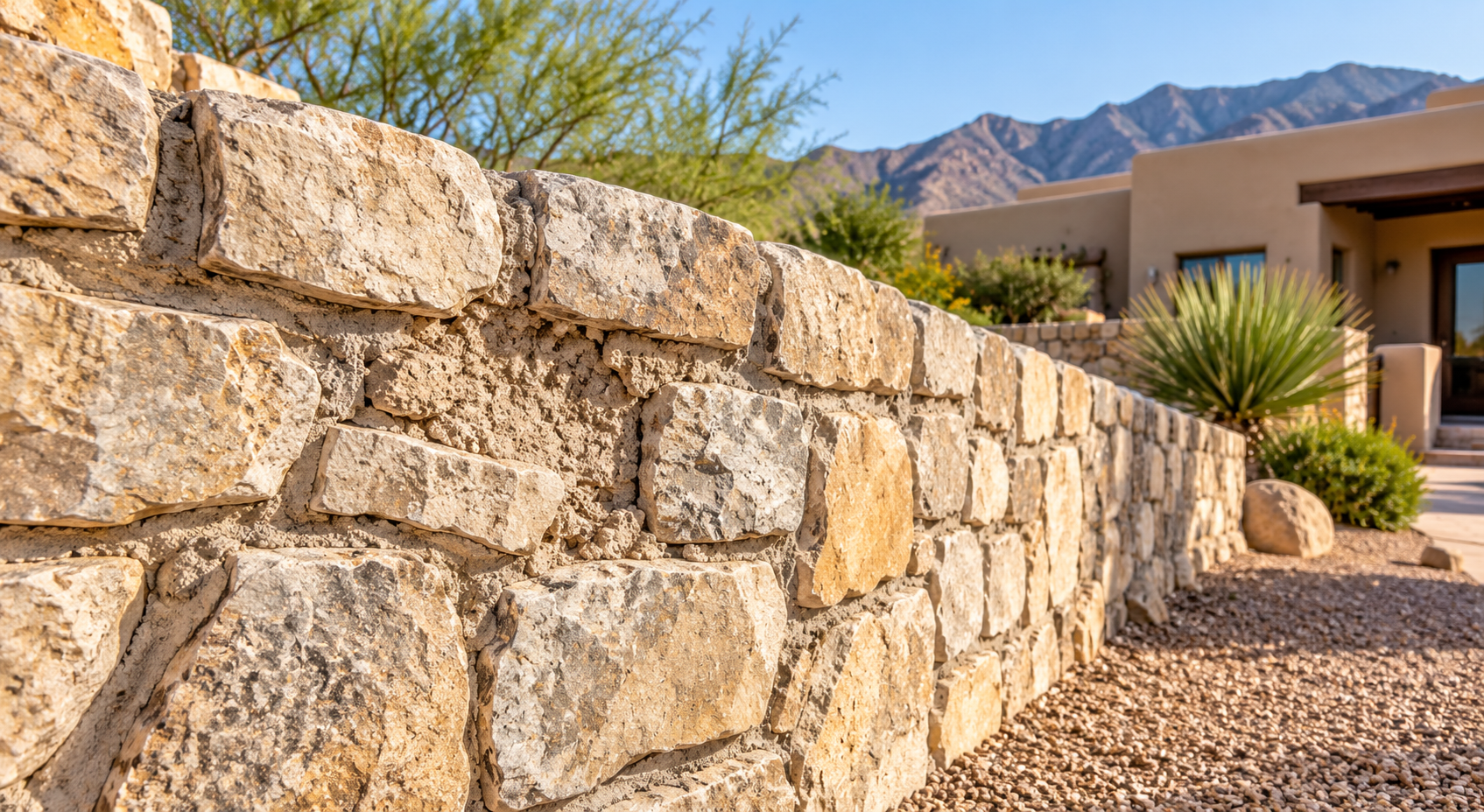
El Paso’s hillside properties present additional challenges. Any project involving slopes or elevation changes must account for lateral earth pressure, drainage behind retaining walls, soil movement, and structural reinforcement. These are areas where civil engineering is not just helpful but essential for safety.
A retaining wall or elevated foundation built without engineering calculations may appear stable initially but can fail suddenly when exposed to water pressure or soil movement. Engineering ensures long-term stability by predicting how the structure will react to these forces.

Engineering Protects the Long-Term Investment
Concrete is expected to last for decades. The problem is that many surfaces fail long before that because they were never engineered. When concrete is designed with civil engineering expertise, the outcome is predictable, durable, and safe. The materials are selected properly, the soil is stabilized, the drainage is correct, and the surface is built to handle the region’s climate.
The presence of engineering principles in a project is what separates long-lasting construction from short-term solutions. In a region as challenging as El Paso, structural knowledge is not an extra feature. It is the core requirement for concrete that stands the test of time.