The Science Behind Durable Concrete in El Paso, TX: 3000 PSI Mixes and Precision Slope Calibration
Core Insight: Concrete durability in El Paso depends on using at least a 3000 PSI mix and precise slope calibration to handle heat, soil movement, and water flow. When combined with proper soil preparation and controlled curing, these factors prevent premature cracking and ensure long-lasting, structurally sound concrete.
It is easy to assume concrete simply needs to be poured thick and left to dry. In a climate like El Paso, that assumption leads to predictable failures. Heat accelerates hydration. Soils shift more dramatically. Water evaporates faster. The concrete itself becomes only part of the equation. The science behind durability is rooted in the strength of the mix and the accuracy of how it is placed, graded, and leveled.
Why 3000 PSI Is the Real Baseline for West Texas Durability
Some builders cut corners by using weaker mixes, especially when clients are unfamiliar with concrete specifications. Yet the mix strength is not a meaningless number. Concrete foundation services in El Paso note that PSI directly determines how well concrete withstands compression, environmental stress, and long-term load.
A 2500 PSI blend might be acceptable in mild climates, but El Paso demands a stronger standard because of heat and soil conditions.
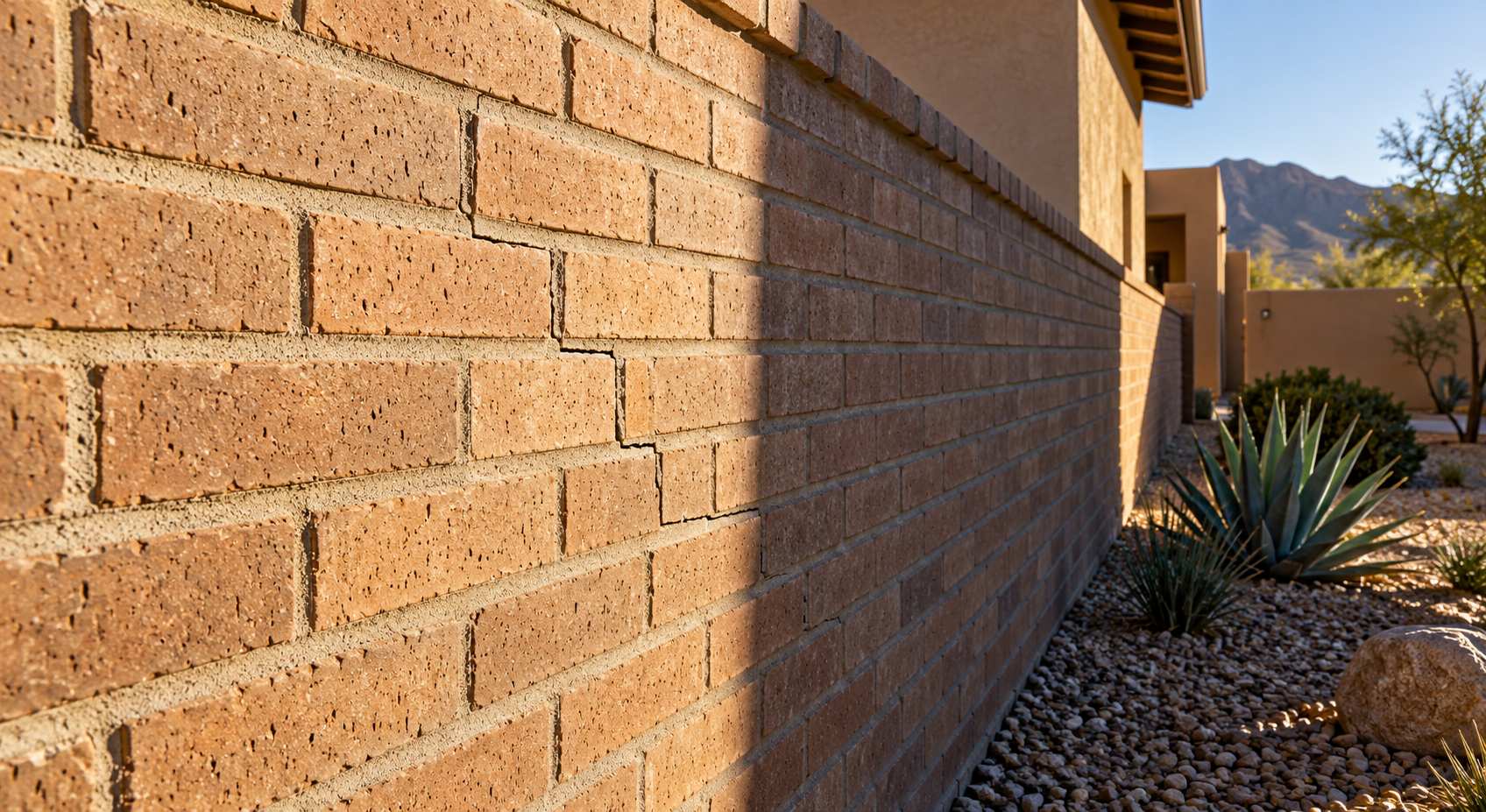
The desert heat speeds up the chemical reaction that cures concrete. Faster curing means the material must start stronger to avoid microcracks. These microcracks eventually become visible fractures. A 3000 PSI mix ensures the slab can handle both the rapid cure and the long-term expansion and contraction caused by temperature variation. It also performs better under daily wear from vehicles, foot traffic, patio furniture, and shifting soil.
This strength category also provides better resistance against moisture penetration during rare but heavy rains. Even though El Paso is dry most of the year, those sudden downpours can introduce water into small cracks that later expand when heat returns. A 3000 PSI mix fights this cycle by reducing porosity and improving structural density. In short, anything less than 3000 PSI in this climate is a choice that invites premature failure.
How Precise Slope Calibration Protects Concrete Over Time
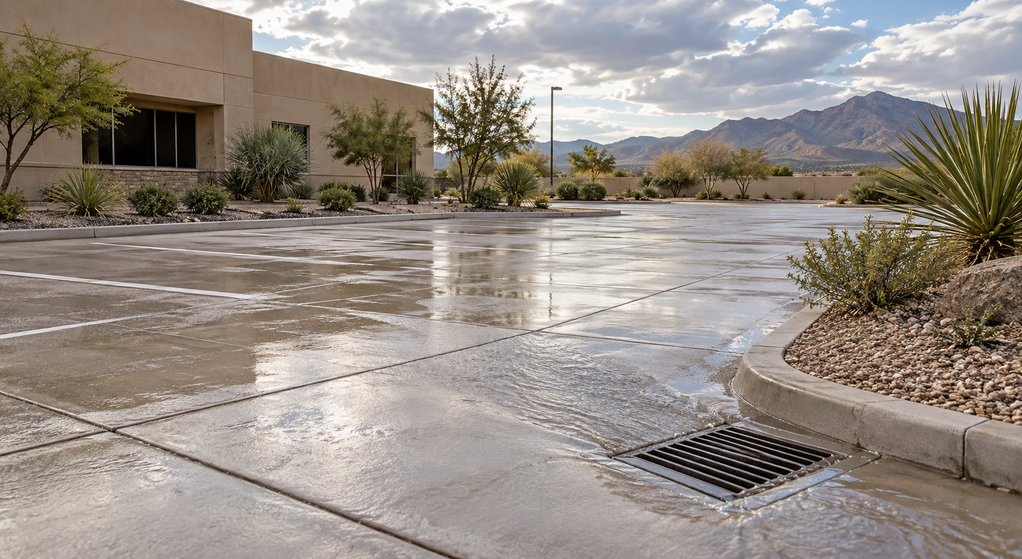
According to our concrete foundation specialists, strength alone does not guarantee durability. Even the best mix fails when water collects in the wrong place. Proper slope calibration is a science, not an optional detail. Slabs must be graded in a way that moves water away from the home, away from foot traffic zones, and toward designed drainage paths. Concrete that holds water becomes weaker over time, even in desert regions where evaporation is fast. The problem is not standing water alone. The problem is the repeated cycle of wet and dry, which causes concrete to expand and contract unevenly.
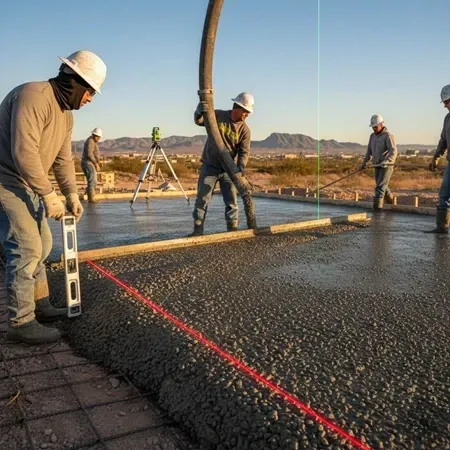
Contractors who treat slope as a loose estimate do not understand how crucial it is in this region. Precision leveling with optical and laser tools ensures the correct grade every time. These tools eliminate guesswork and create a uniform slope that protects the concrete for years. Even a difference of a few degrees affects how water behaves on a slab. Without correct calibration, water can travel toward foundations, undermine soil stability, or create erosion lines that weaken the edges of the slab.
Proper slope also matters for vehicle load. Driveways built without accurate grading experience uneven stress. Over time, one area supports more weight than the rest, leading to cracks that spread across the slab. Precision slope calibration distributes pressure evenly, supports drainage, and aligns the slab with surrounding soil conditions.
Proper grading sets the foundation for long-lasting concrete. Learn how precision grading and laser-leveling prevent expensive concrete failures in El Paso to protect your investment from costly mistakes.
Why Local Soil Knowledge Matters for Concrete Stability
El Paso’s soil is a blend of sand, clay, and rocky variations depending on the neighborhood. These soils react differently to moisture, temperature, and pressure. Sand drains quickly but shifts under load. Clay expands aggressively when it does receive water, creating upward pressure. Rocky soils resist movement but require proper grading to avoid air pockets.
Durable concrete depends on understanding these interactions before the first batch is mixed. Proper preparation involves compacting the soil, adding a stable base, and planning the slab thickness around the specific soil type. Local experience makes this process predictable. Builders familiar with El Paso’s ground know how quickly certain soils move and which areas require deeper base layers to stay stable.
A stronger PSI mix cannot compensate for poorly prepared soil. Strength and stability are partners, and the science behind long lasting concrete requires both.
Ensure your project stands the test of time by selecting the right experts. Learn how to distinguish the best from the rest in El Paso, TX for reliable results.
Environmental Factors That Influence Concrete Longevity in El Paso
The desert environment challenges concrete in ways that are often underestimated. High summer temperatures accelerate evaporation, and the surface can dry too fast if not managed properly. Wind carries fine dust that settles into curing concrete if not protected. During monsoon season, rain can fall before the surface has set, compromising the finish. Winter can bring sudden freezing nights that stress the surface of newly cured slabs.

Concrete science in El Paso revolves around timing, temperature control, and consistent curing. Protecting the slab from heat, moisture, and debris during the first 48 to 72 hours determines much of its long-term integrity. Builders who understand these variables treat curing as a controlled process rather than a passive waiting period.
Moisture, temperature, and exposure all affect concrete performance. Explore the effects of environmental factors on carbonation depth and compressive strength to understand potential risks.
The Combination That Creates Long-Lasting Concrete
Durable concrete in El Paso is never an accident. It is the result of choosing the correct mix strength and combining it with precise slope calibration. When concrete fails early, it is rarely because of the climate alone. It is almost always tied to decisions made during the planning, mixing, and grading stages. Builders who rely on scientific precision rather than shortcuts create structures that stay strong for many years.