Why Choose A Concrete Pool Deck Over A Wooden Pool Deck
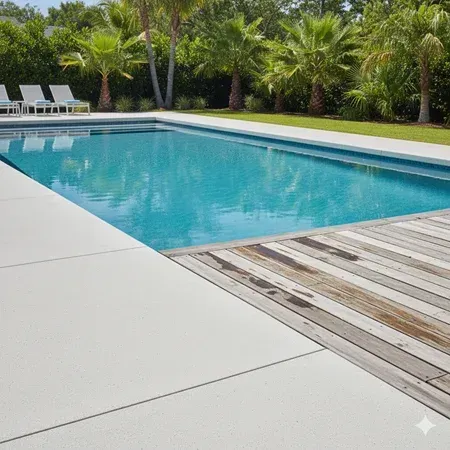
Nothing like a home swimming pool for cool pleasure in summers. While the water is a major attraction, the decking surrounding it influences how well the pool integrates into the landscape and how secure it is for swimmers.
Pool decking can offer a safe walking path between pool ladders, diving boards, slides, and a spot to relax. If you're thinking about installing decking around your pool or renovating an existing deck, keep reading to learn why to choose a
concrete pool deck over a wooden pool deck.
Concrete Pool Deck
A concrete pool deck is a very common – and typically least expensive – pool decking material. Concrete has been the finest material for pool decking for decades due to its durability and resistance to water. Pool decks made of concrete can be broom finished or stamped. Broom finishing produces a normal concrete appearance.
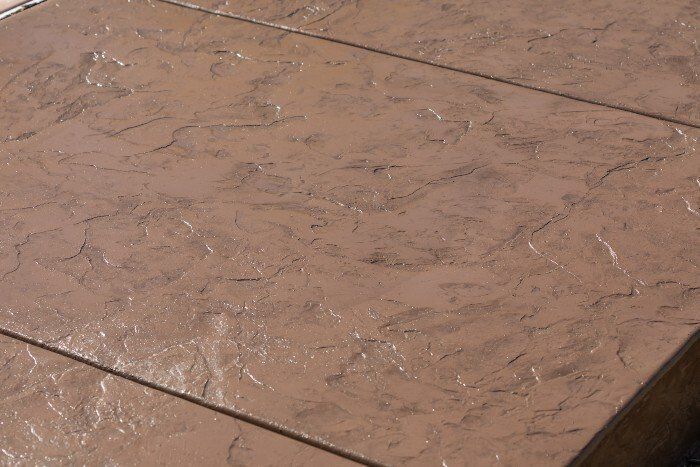
There are also a variety of decorative and color choices available. Stamped concrete can be made to look like wood, stone, tile, or brick. While a stamped finish is typically more expensive than broom finishing, and it is significantly less expensive than wood.
Concrete can be shaped and poured into practically any shape you desire, including curves and geometric designs. This long-lasting surface is also reasonably priced, ranging from $5 to $6 per square foot.
Wooden Pool Deck
Wood is a flat material that feels good when you walk barefoot, but not all kinds of wood are appropriate for pool decking. To resist water and insect harm, you will need a decent exterior wood, such as redwood, cedar, ipe, or teak.
Wood decking necessitates the building of a floor joist system upon which the decking boards are installed. If you're familiar with basic construction concepts and want to do it yourself, the materials to install wood pool decking will cost between $4 and $5 per square foot, based on the wood species. Pro installation will cost an additional $5 to $10 per square foot.
Wood is a natural thing, and even the most weather-resistant types need an annual application of a sealer to keep it protected. Wood decking will require refinishing every 3 to 4 years for long-term use, which requires sanding the surface and applying a sealer.
Why Choose A Concrete Pool Deck Over A Wooden Pool Deck
Consider issues such as affordability, security, upkeep, durability, and how it will fit into your home and landscape when deciding on pool deck materials. Concrete has a variety of benefits that wood materials do not have, especially in terms of durability.
Below, we compare concrete and wood materials for the pool deck, including easy maintenance, slip resistance, affordability, decorative options, and heat reflectivity. Although these materials have advantages and disadvantages, we believe concrete is the clear victor in the following areas.
Easy Maintenance
Both of the paving materials in our competition are long-lasting and sturdy, but wooden pool decking requires more upkeep than concrete. Over time, wooden parts and units might shift or brake, necessitating releveling or replacement. The gaps and holes between paving units must be fixed regularly to avoid extra breakage growth.
On the other hand, concrete avoids all of these difficulties and only requires periodic cleaning and resealing to keep its beauty. Remember that pool decks have different performance standards than a typical concrete floor. Pool decks must be able to withstand regular exposure to water and severe pool chemicals. They must also be comfortable barefoot, splinter-free, and slip-resistant. A concrete pool deck can meet all of these requirements.
Slip Resistance
Slip resistance is the first priority since a good grip is especially crucial on pool deck surfaces. Any other type of pool deck materials, mainly wood, can become slippery when wet, but with concrete, there are many methods to increase surface traction without sacrificing the artistic aspect.
These include the use of broomed or exposed aggregate finishes, the application of a textured overlay, and the incorporation of a clear plastic grit into the sealer before application.
Affordability
While the cost of a wood deck is quite high. In terms of dollars per square foot, it is one of the more costly choices. Wood is also one of the most challenging surfaces to maintain over time. It can be expensive to install due to the effort necessary to place each unit separately.
Many owners believe that pouring concrete and applying a pattern is less expensive than hauling and placing paving units by hand. If you're on a low budget, you can still produce excellent results by combining stamped concrete with plain concrete.
Decorative Options
Only decorative concrete allows you to design your pool deck in any shape, size, color, and surface preparation you want, from basic broom-finished concrete to exposed aggregate or imprinted patterns that look like wood, tile, brick, or stone.
You can also combine decorative treatments, such as stained concrete with a stenciled or imprinted border or a colored overlay with engraved designs.
Heat Reflectivity
Concrete pool decks reflect solar radiation and are more pleasant on bare feet than wooden pool decks, which can become very hot to the touch after frying in the sun. There are also beautiful concrete toppings that can be applied to reduce surface temperatures significantly. Concrete is excellent at reflecting solar energy.
Lighter-colored materials such as concrete often reflect more sunlight. They reflect heat from the sun and do not significantly warm the air. Light reflectivity from concrete surfaces can help pool owners walk easily on the pool deck at night.
Conclusion
Decking is critical to the appearance and safety of your pool. There are many various materials to choose from, but if you want to get all of the above benefits from your pool deck. Allow El Paso Concrete Contractors to build your dream pool deck.
If you live in El Paso Texas, and looking for any type of project regarding concrete, Concrete Companies El Paso Tx is here to help and looking forward to working with you on your future dreamed project.
Whether you want to replace your existing pool decking or create an entirely new pool, the skilled staff at Concrete Contractors El Paso is always available to assist. Your pool decking will be gorgeous, safe, and reasonably priced!