Masonry Repair Mistakes That Cause Repeat Damage in El Paso
Summary
A wall can be patched neatly and still deteriorate again if the work ignores loading, water, joint movement, or mortar compatibility. This El Paso guide focuses on decisions that create repeat masonry repairs—and what a property owner should confirm before work begins.
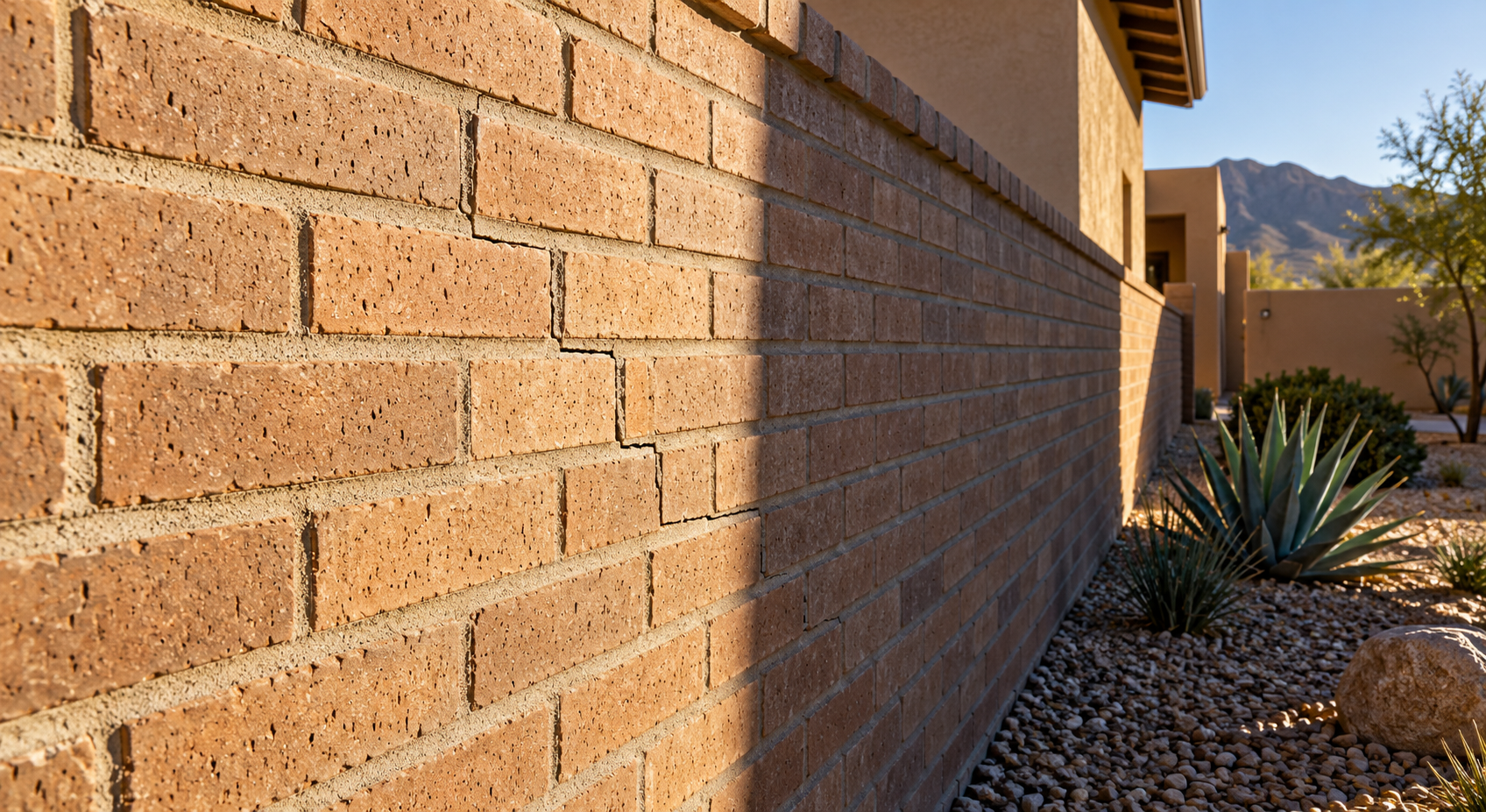
A wall may look sound immediately after repointing and still develop the same crack when the original movement or moisture problem remains. A neat patch is not proof of a sound repair.
Before authorizing masonry construction and repair services in El Paso, identify the wall’s job and the reason the repair is needed. A retaining wall, garden divider, and brick veneer can develop similar-looking cracks for very different reasons.
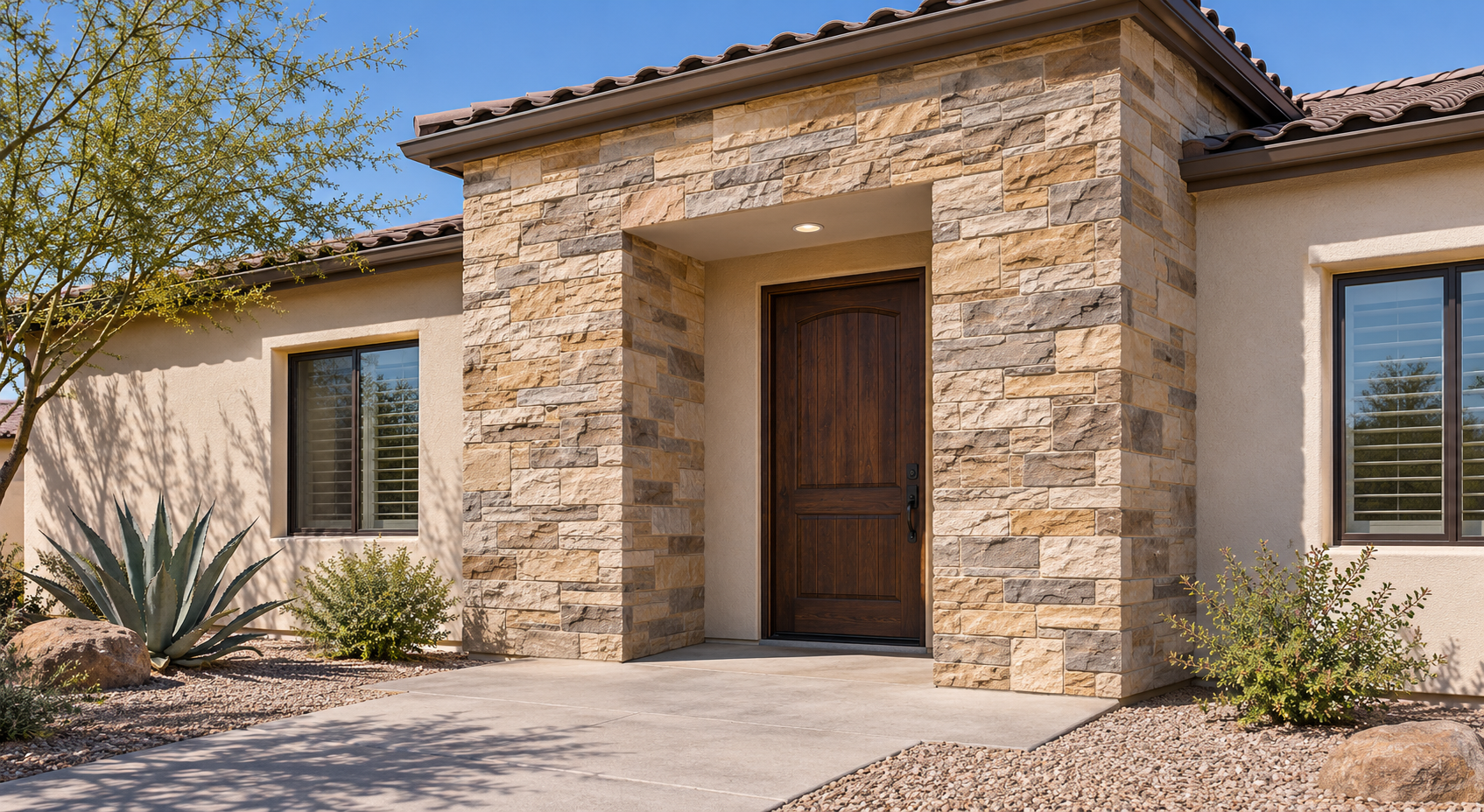
El Paso Concrete Contractors provides brick, block, and stone masonry services. A useful repair request includes recent changes to the property, previous patching, and the result the owner expects—not only a close-up of the damaged joint.
Approving a Surface Repair Before Identifying the Failure
“Fill the cracks” is a description of appearance, not a diagnosis. Cracks can follow lost mortar, restrained movement, differential support, or other conditions. The opening does not identify the cause by itself.
What evidence explains the proposed repair? Consider whether units have shifted, an old patch reopened, excavation occurred nearby, or irrigation changed. A good scope distinguishes observations from conclusions.
Dated photographs and a short history help distinguish an isolated defect from a recurring problem. They do not replace an assessment, but they give the person inspecting the wall useful context. Repeatedly covering the same crack can hide that history without resolving the underlying condition.
Treating a Boundary Wall Like a Retaining Wall
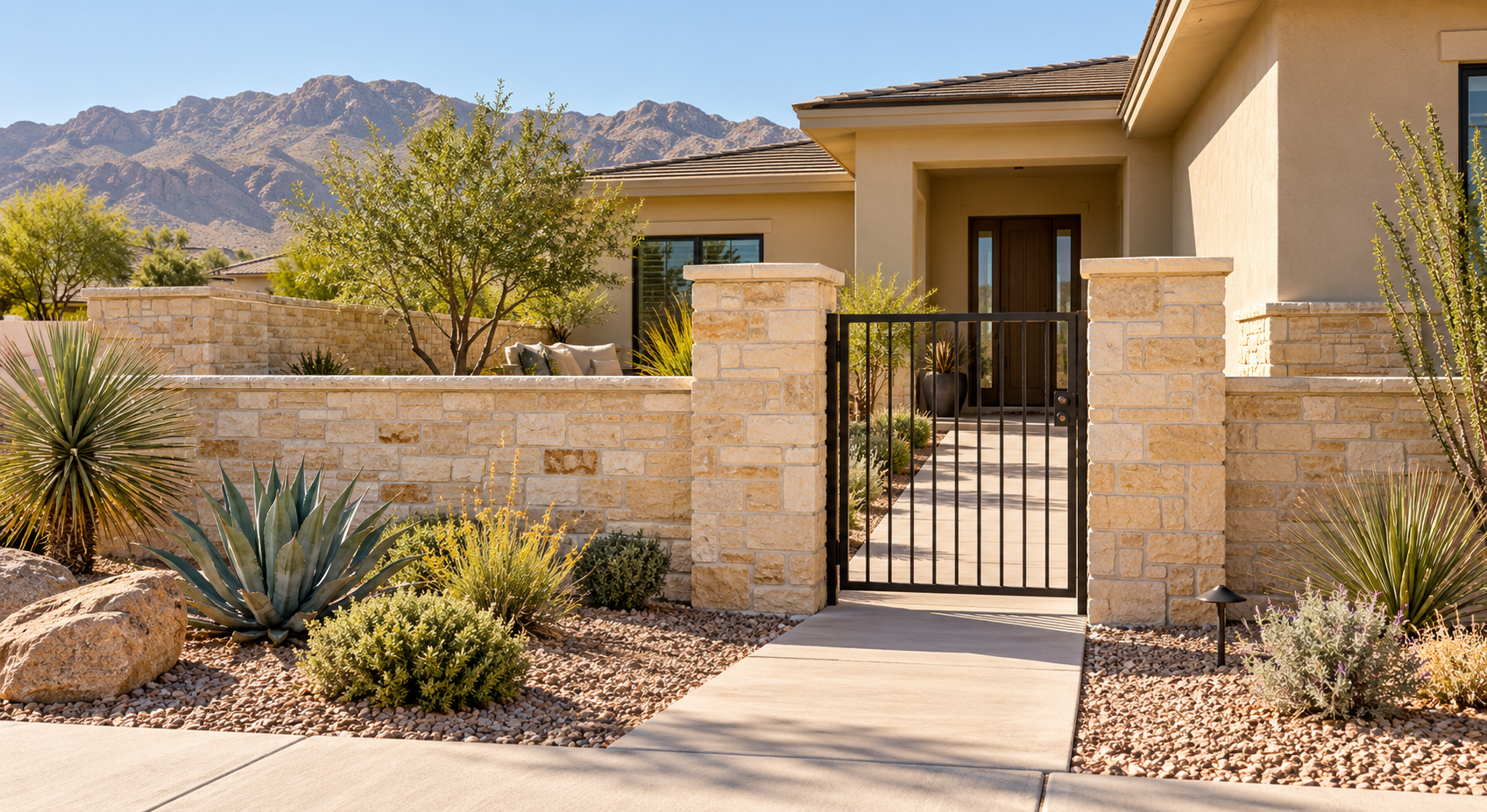
A wall that separates two yards is not automatically suitable for holding back added soil. Raising a planting bed against it changes the demands on the structure. Installing a heavy gate or extending the wall upward can also introduce loads that were not part of its original design.
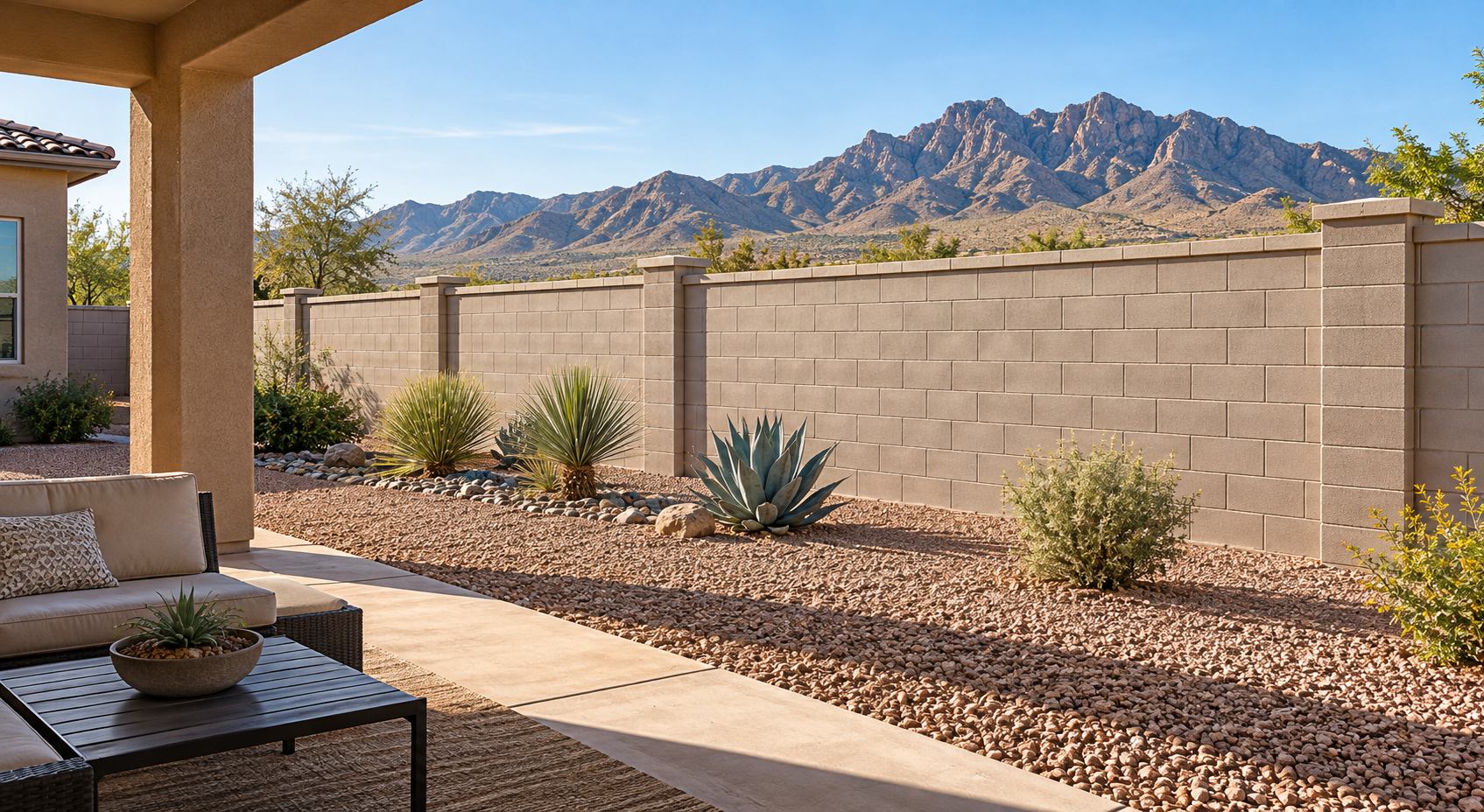
This matters on sloping El Paso properties, where a landscaping project can quietly change the ground level on one side. A wall may look substantial while lacking the support or reinforcement needed for its new role.
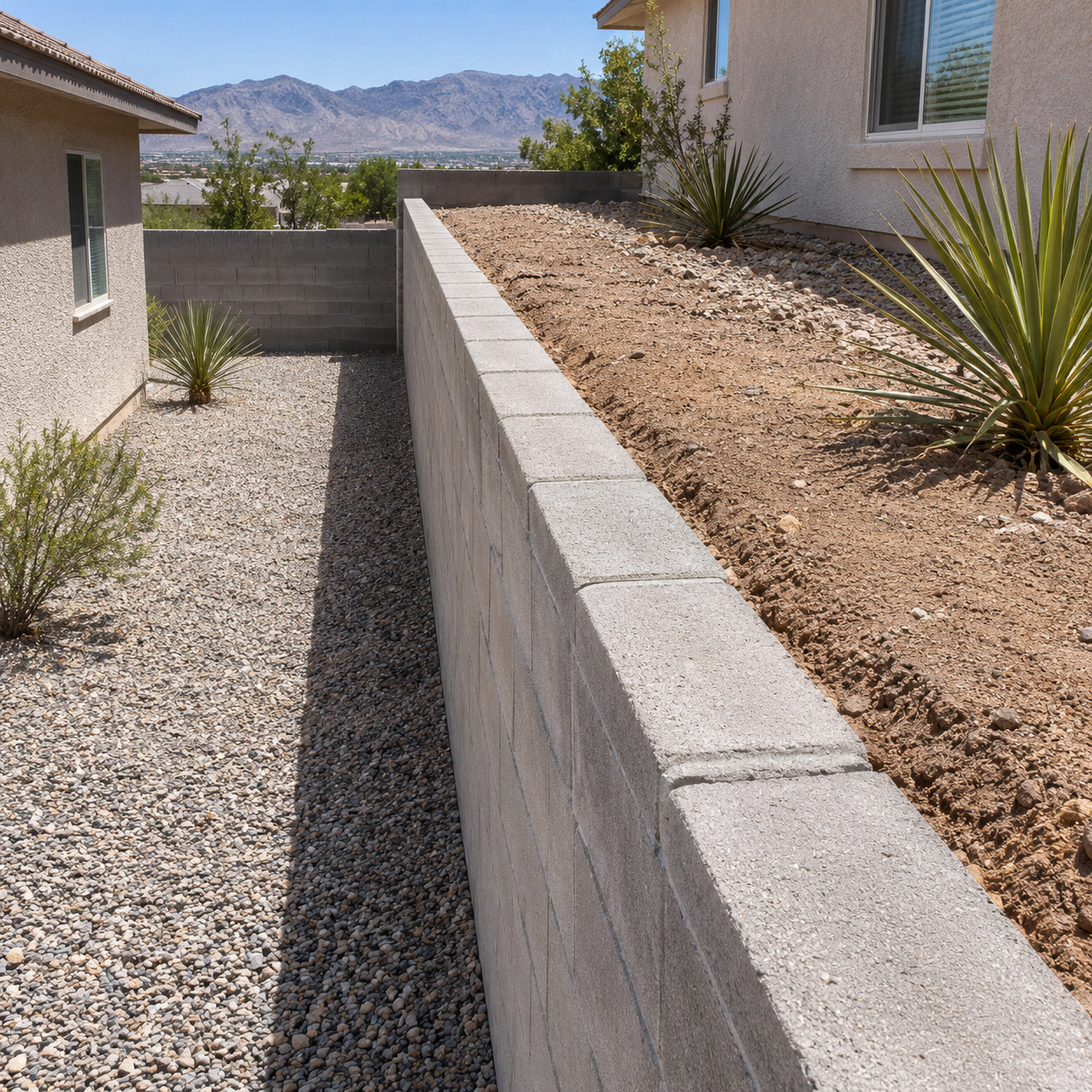
Before changing grades or adding attachments, have the existing wall’s capacity evaluated. Ask who is responsible for assessing its footing, reinforcement, connections, and new loads. An attractive surface finish provides no reliable answer to those questions.
Finishing the Landscaping While Blocking Water’s Exit
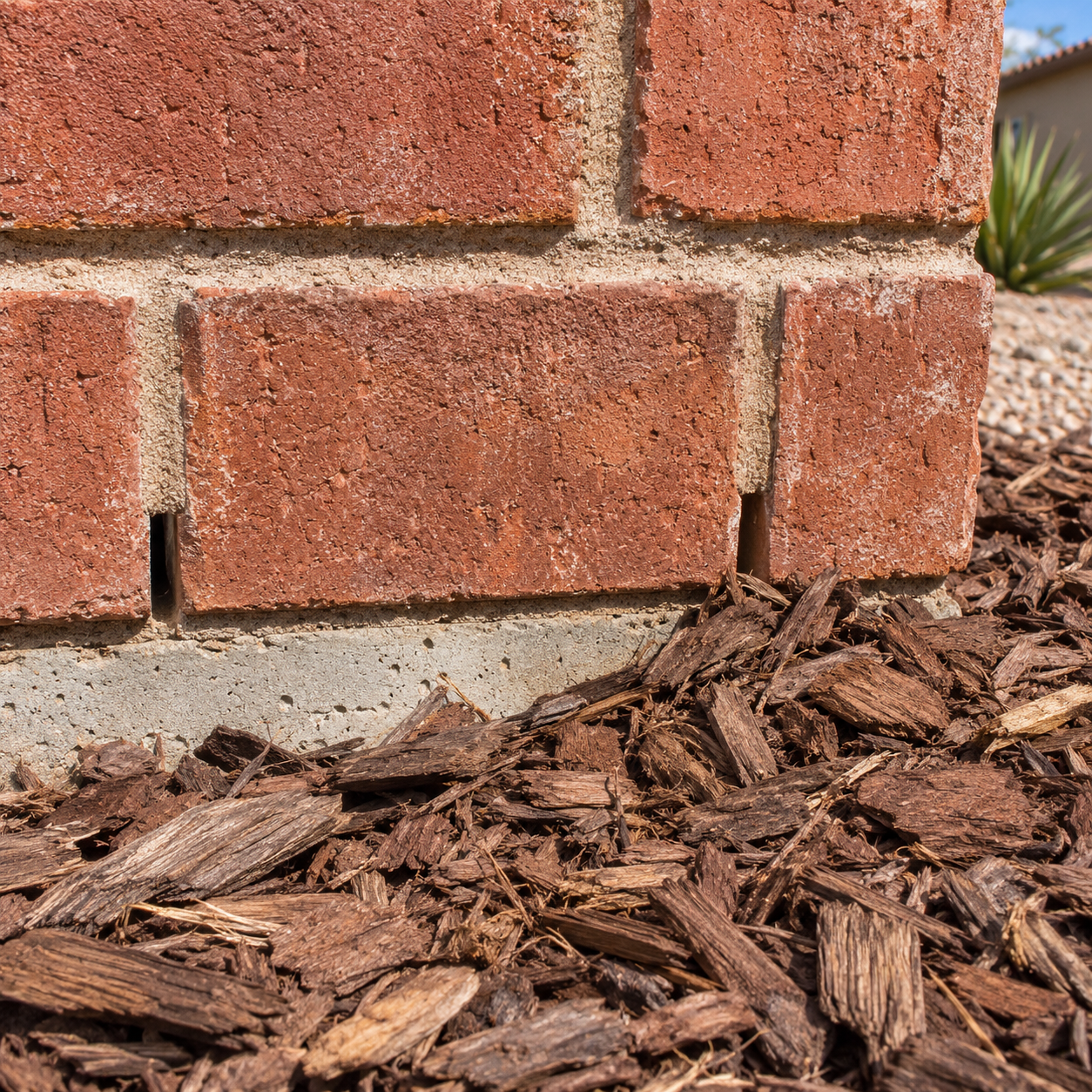
Paving, mulch, and raised beds can interfere with drainage details that previously worked. A sprinkler aimed at masonry can repeatedly wet one section even during otherwise dry weather. New hardscape may redirect runoff toward a wall base.
Different walls handle water differently. Brick veneer may rely on flashing and weep openings to discharge moisture from behind the brick. A retaining wall needs drainage appropriate to the retained soil and its design. Sealing visible openings indiscriminately can disable an intended outlet.
Check the completed landscape against the drainage plan before considering the job finished. Look for buried outlets, soil raised against the wall, and irrigation spray striking the same joints daily.
For drainage decisions, see Why Proper Drainage Matters for Masonry Structures in El Paso. A buried outlet or new irrigation pattern can make a neat repair fail again.
Choosing Repair Mortar Because It Is “Stronger”
A wall that is leaning, bulging, or shedding units needs more than cosmetic treatment; When Masonry Wall Damage in El Paso Needs Professional Repair: A Severity Guide sets out signs that call for prompt assessment.
Mortar selection involves compatibility, not simply choosing the highest strength. A repair must work with the existing masonry units and surrounding joints. Color matching alone cannot establish that compatibility.
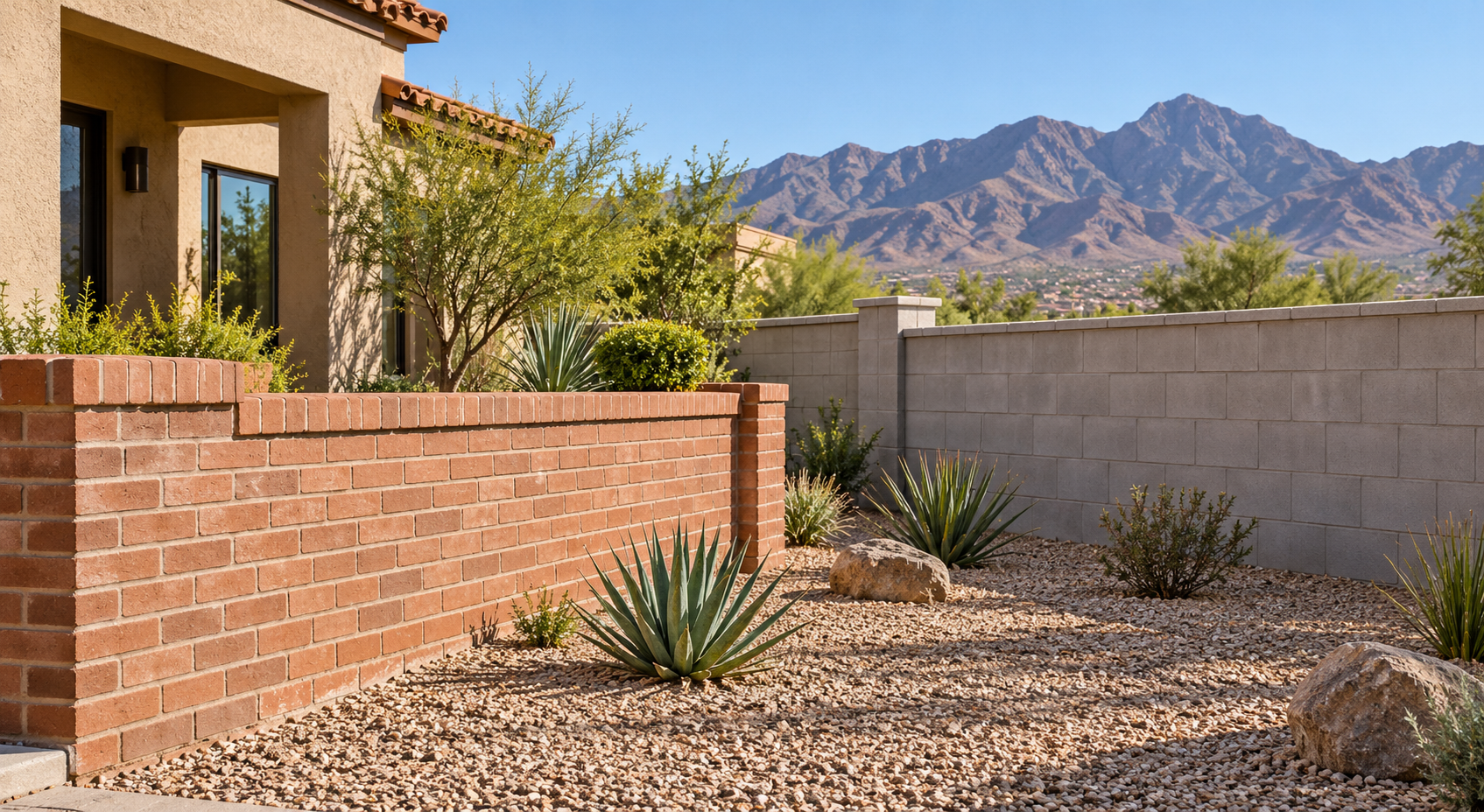
For fired-clay brick, the Brick Industry Association’s Maintenance of Brick Masonry technical guidance explains that overly strong repointing mortar can concentrate stresses and contribute to brick-face spalling. Its recommendations are specific to brick masonry and should not be applied indiscriminately to stone or concrete block.
Ask how the proposed mortar was selected and how deteriorated joints will be prepared. Smearing fresh mortar over a weak joint face can conceal material that should have been addressed. Older or unfamiliar masonry deserves particular care before a standard repair mix is approved.
Closing Movement Joints and Rushing Exposed Work
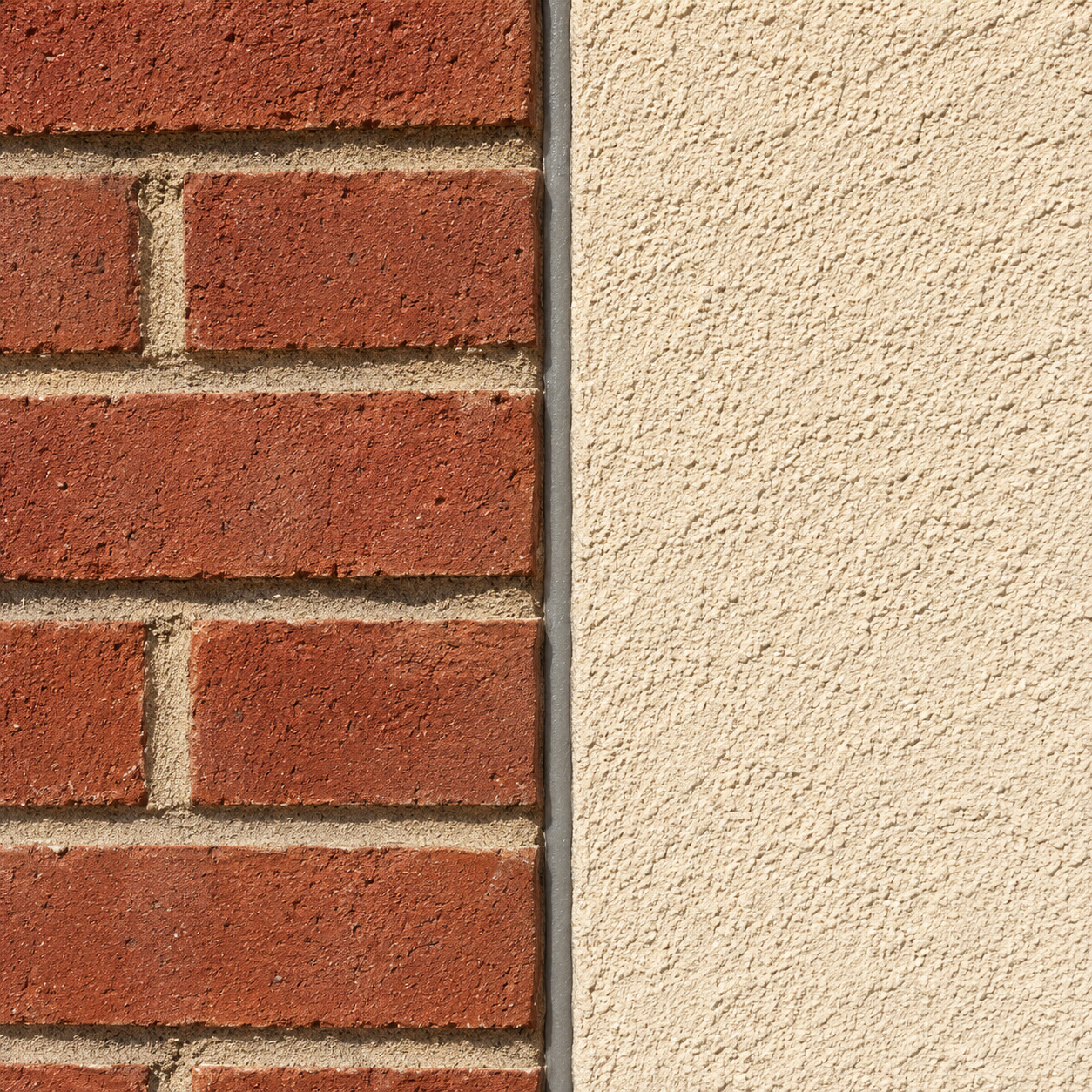
A deliberate movement joint can resemble an unfinished gap. Filling it rigidly to make the wall look continuous may interfere with its intended function. Have the joint identified before asking anyone to close it, especially where masonry meets another material.
El Paso’s hot, dry conditions also make installation planning relevant. Fresh mortar can lose moisture too quickly in exposed conditions, affecting bond and curing. The practical question is how materials and fresh work will be protected under the actual site conditions.
Weather protection and curing procedures belong in the written scope. Finishing quickly is no reason to omit them, especially for work exposed to El Paso sun and wind.
Paying for Another Patch Without a Defined Next Step
Before approving repairs, request a scope that identifies the affected area, proposed cause correction, materials, and limits of the work. Clarify what happens if removing loose material exposes more extensive damage.
A dependable repair begins with a credible cause and a defined limit of work. Without those, even an attractive patch risks becoming the first installment of the same job twice.

Written By:
Kurt Manalastas
Home & Property Research Journalist
Kurt is a Home & Property Research Journalist who creates educational content on home services, property improvement, and residential decision-making. He translates contractor experience, industry standards, and verified research into clear, practical guidance that helps homeowners understand their options and make informed decisions.