Choosing Masonry Materials in El Paso: Match the Wall to Its Job
Summary
Choosing between brick, block, natural stone, and manufactured veneer is not only a question of appearance. For an El Paso wall, start with what it must support, then compare the complete structural or facing system, water detailing, samples, repair options, and installed cost.
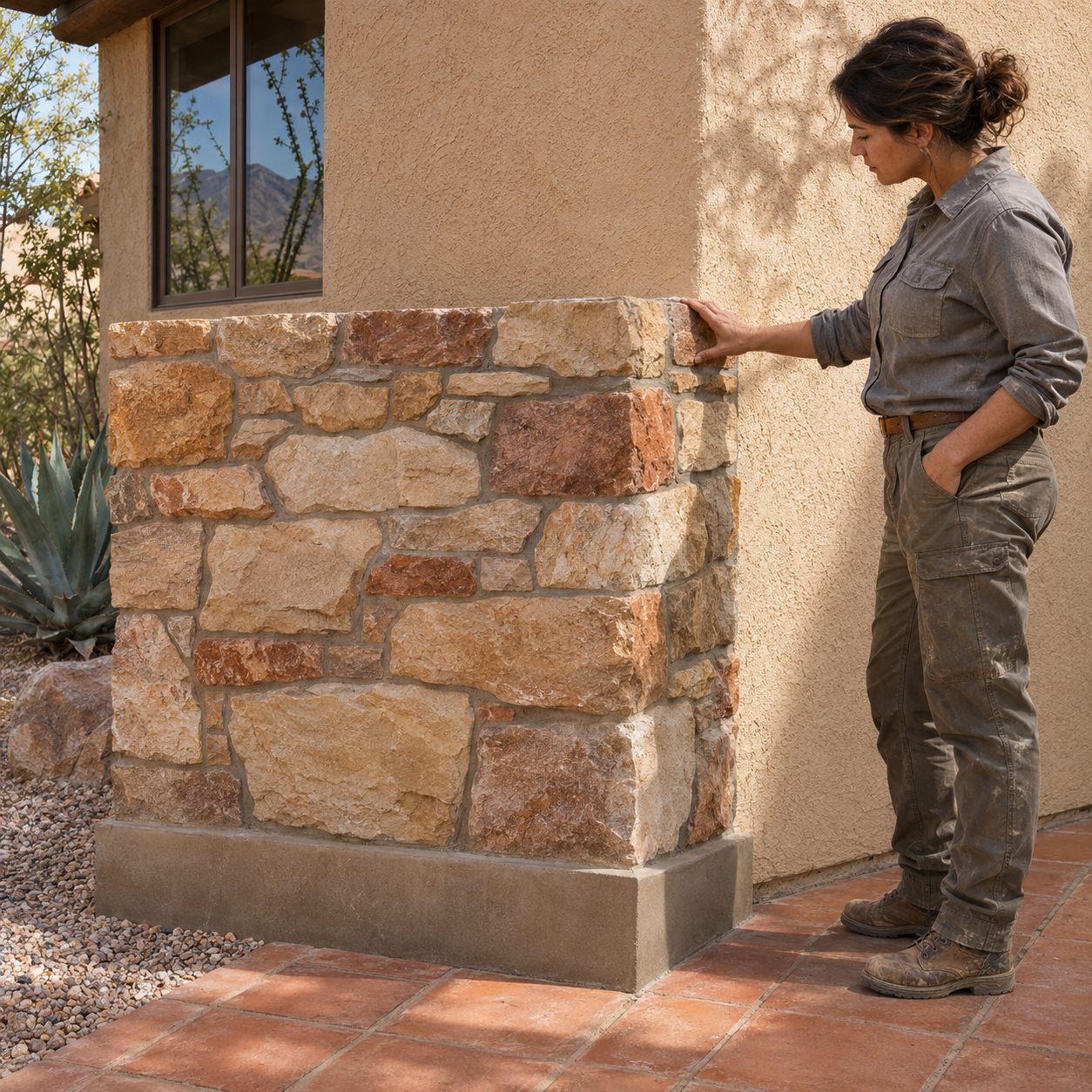
A sample stone can look right beside a stucco house while telling you almost nothing about the wall behind it. It leaves out support, connections, drainage, corners, and the price of getting all those details right.
For professional brick, block, and stone masonry services in El Paso, start with the intended wall: a privacy boundary, retaining structure, veneer, or garden feature. The options narrow quickly once that job is clear.
El Paso Concrete Contractors provides brick, block, stone, and veneer masonry services. Having those options available makes it useful to distinguish what the wall needs to do from how you want it to look.
First Separate Structural Walls From Decorative Facings
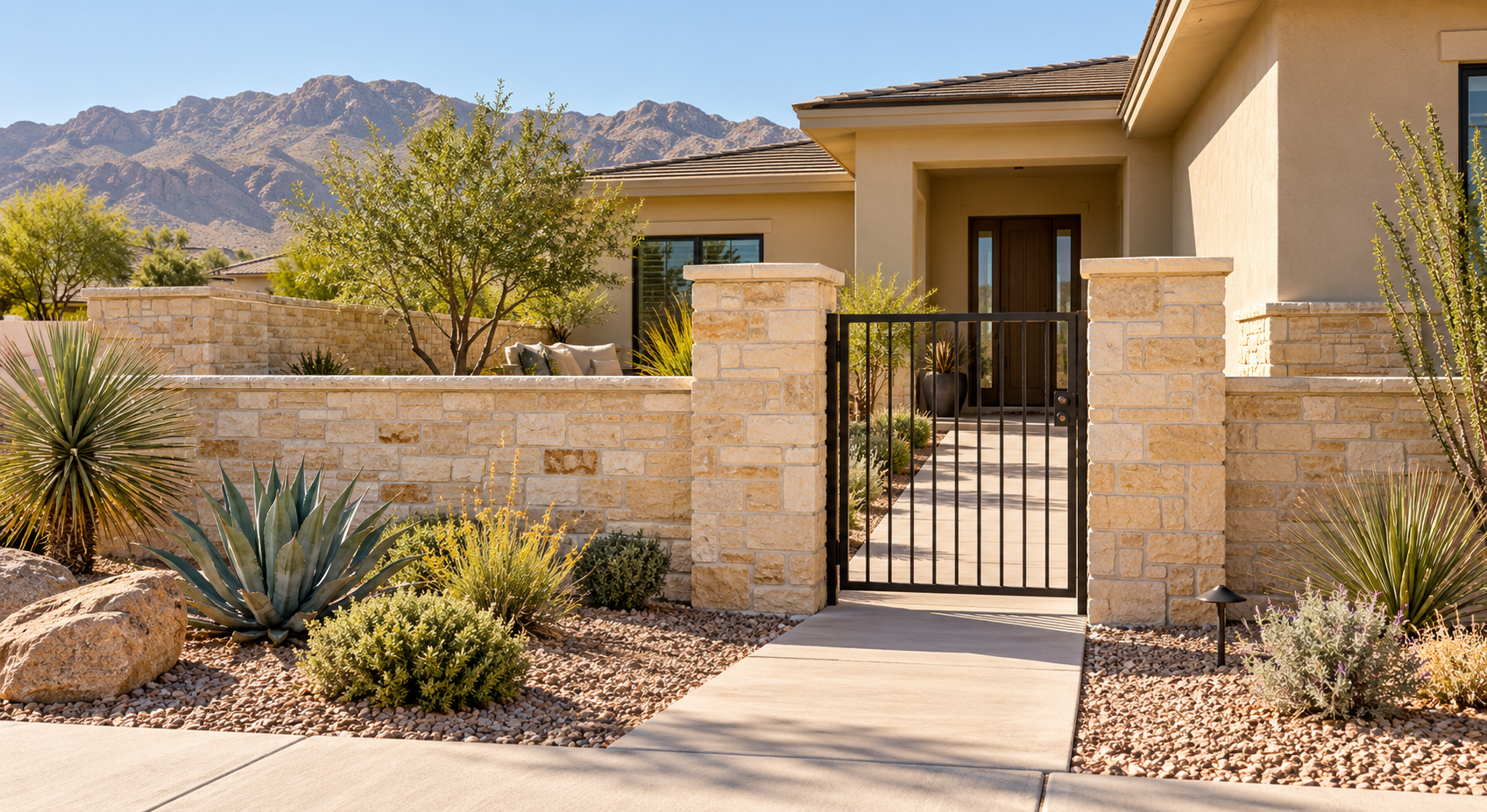
A freestanding privacy wall must resist loads such as wind. A retaining wall also holds back soil. An exterior veneer provides a facing over a supporting assembly. Similar-looking finishes can conceal substantially different construction.
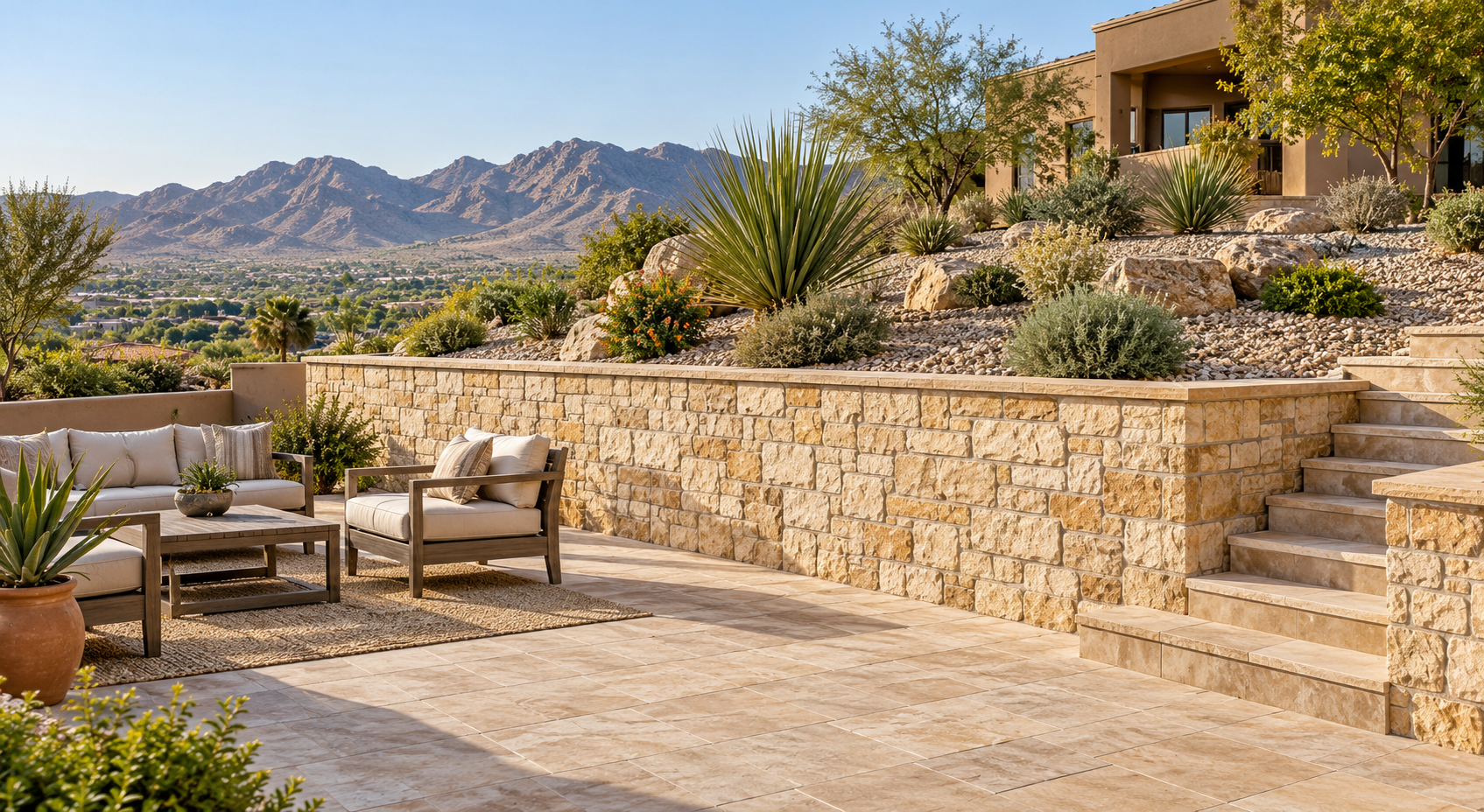
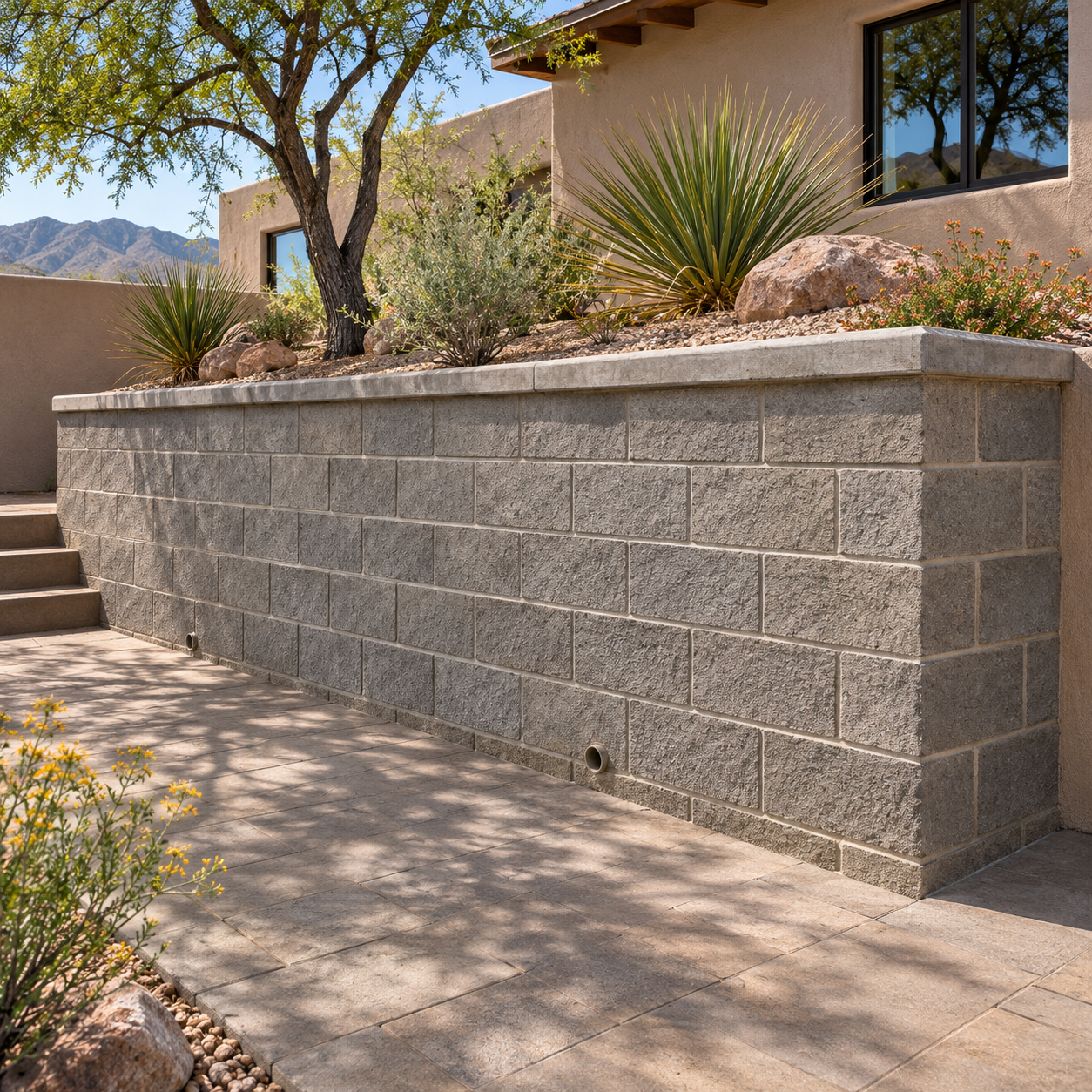
For a retaining project, establish the structural system before selecting its appearance. Decorative stone veneer cannot replace the wall that carries the soil load. Likewise, choosing a thicker-looking stone does not establish that a proposed wall has adequate support.
Describe planned attachments early. Gates, light fixtures, and other additions may require details that cannot be judged from a finish sample. On a sloping property, record where ground levels differ across the proposed wall. That information helps clarify if the project includes a retaining function.
First Separate Structural Walls From Decorative Facings
Compare materials only after deciding whether you need an exposed structural wall or a facing over separate support. Similar colors can hide very different construction and maintenance requirements.
Describe planned attachments early. Gates, light fixtures, and other additions may require details that cannot be judged from a finish sample. On a sloping property, record where ground levels differ across the proposed wall. That information helps clarify if the project includes a retaining function.
| Material | Strong reason to consider it | Main comparison to make |
|---|---|---|
| Clay brick | Repeating courses and compatibility with existing brickwork | Unit dimensions, color range, mortar, and bonding pattern |
| Concrete block | A modular wall system with exposed or applied finishes | Complete reinforcement, grout, and finish scope |
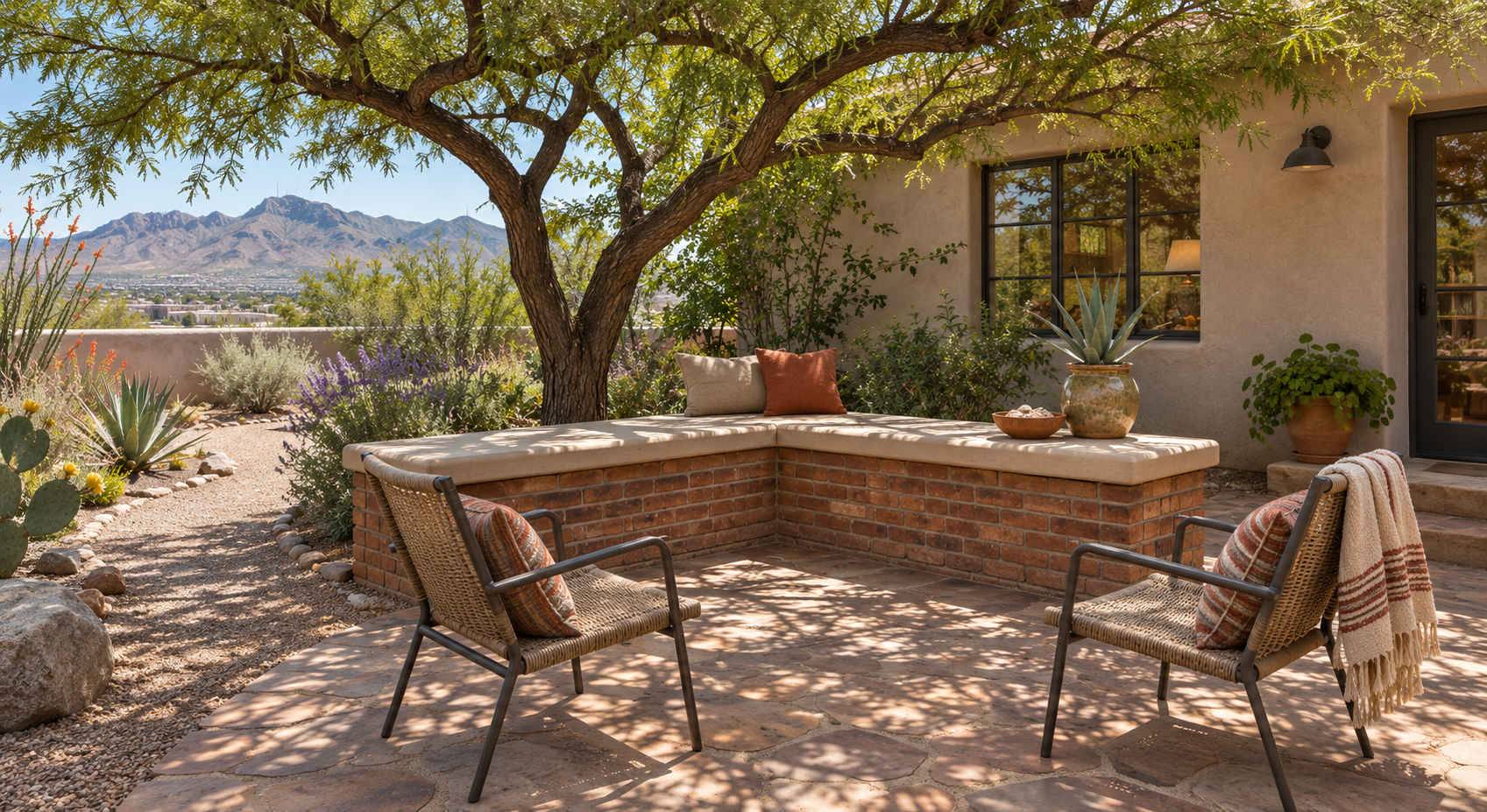
| Natural stone | Individual variation in color, shape, and texture | Exact stone type, thickness, sorting, and installation labor |
| Manufactured stone veneer | A selected stone appearance over suitable backing | Product-specific installation, corner pieces, and pattern repetition |
Compare materials only after deciding whether you need an exposed structural wall or a facing over separate support. Similar colors can hide very different construction and maintenance requirements.Brick is worth considering when visual continuity with an existing home matters. Compare more than the face color: a different brick size or mortar joint can make an addition look mismatched even when the colors are close.
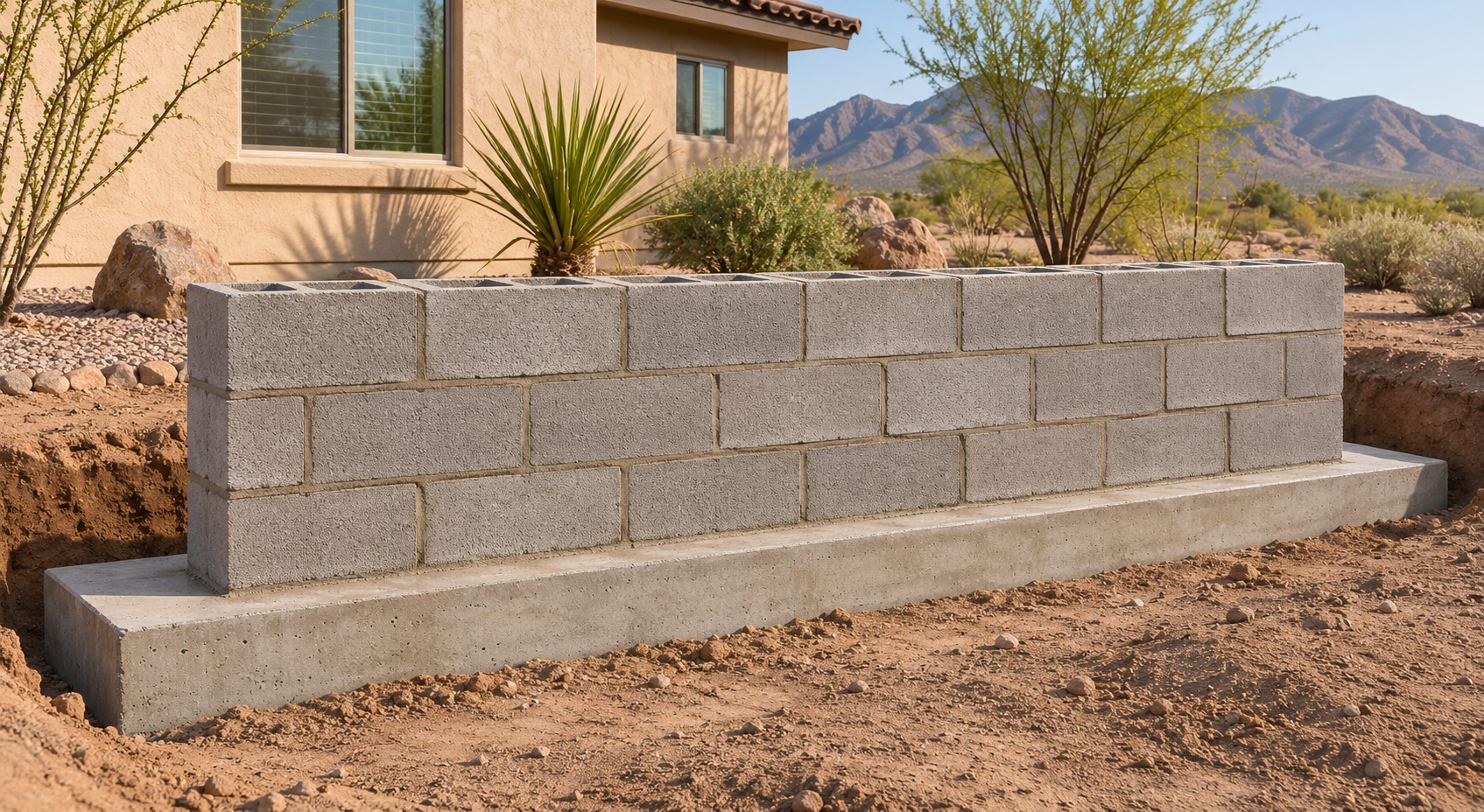
Concrete block deserves consideration for straightforward wall layouts. Ask if the quoted surface is unfinished block, architectural block, or block receiving another finish. A low unit price says little about the completed appearance or total cost.
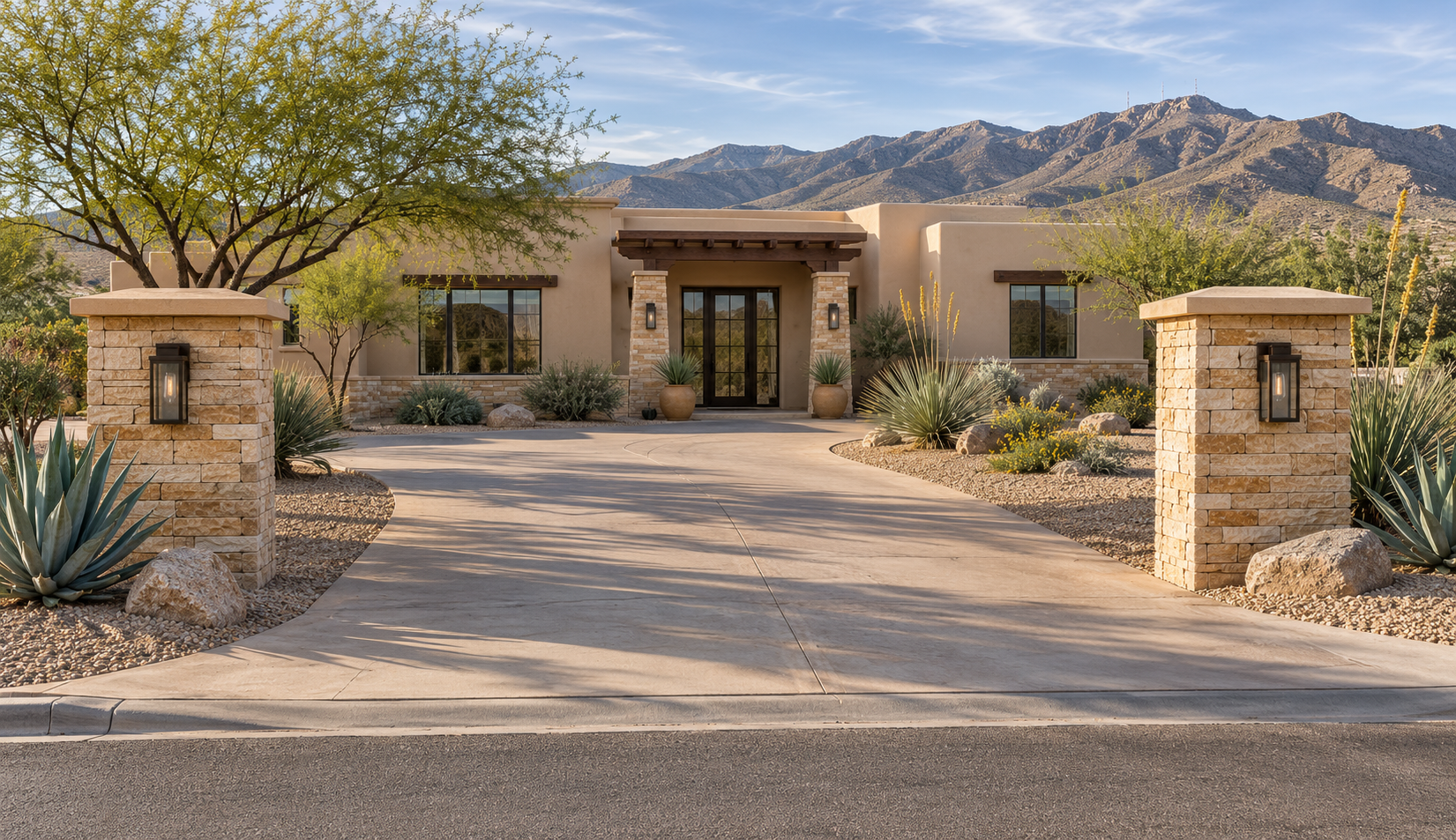
Natural stone offers variation, but “stone” is too broad a specification. Request the actual product and identify if it is full-depth masonry or thin veneer. Irregular pieces and carefully fitted corners can require different labor allowances from regularly sized units.
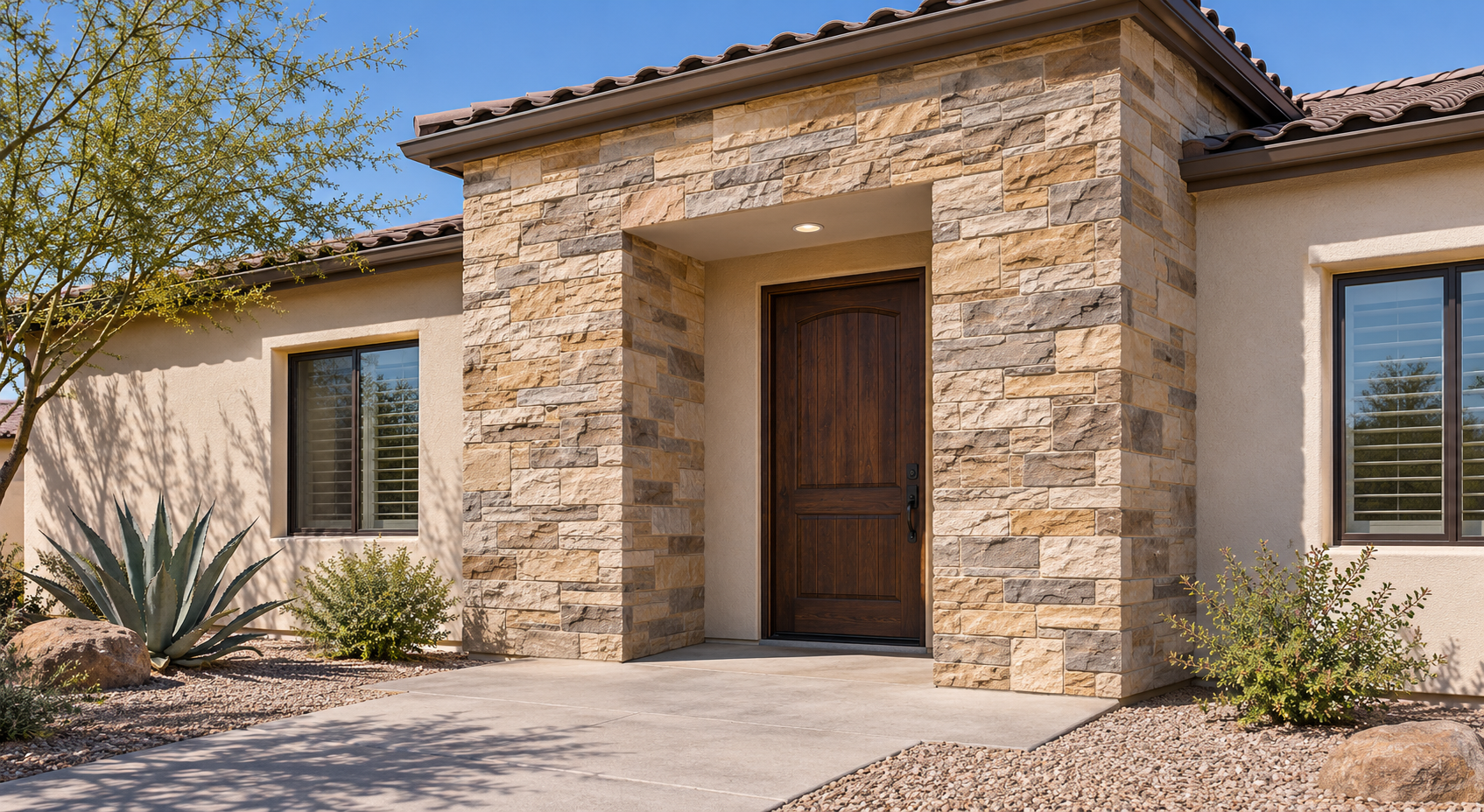
Manufactured stone veneer is an appearance option, not a substitute for structural masonry. Inspect a large enough sample to see repeated shapes and how outside corners are handled.
Once stone is on the shortlist, Choosing Between Natural Stone vs. Manufactured Rock Walls in El Paso compares natural and manufactured rock-wall options in more detail.
Check Sun, Water, and the Assembly Behind the Finish
Drainage influences more than appearance. Why Proper Drainage Matters for Masonry Structures in El Paso covers irrigation, runoff and outlet issues that a surface sample cannot show.
Review the actual installation location. Does afternoon sun strike the wall? Do sprinklers wet its base? Will a planter sit against it? Does runoff collect nearby? These questions are more useful than assuming every El Paso property presents identical conditions.
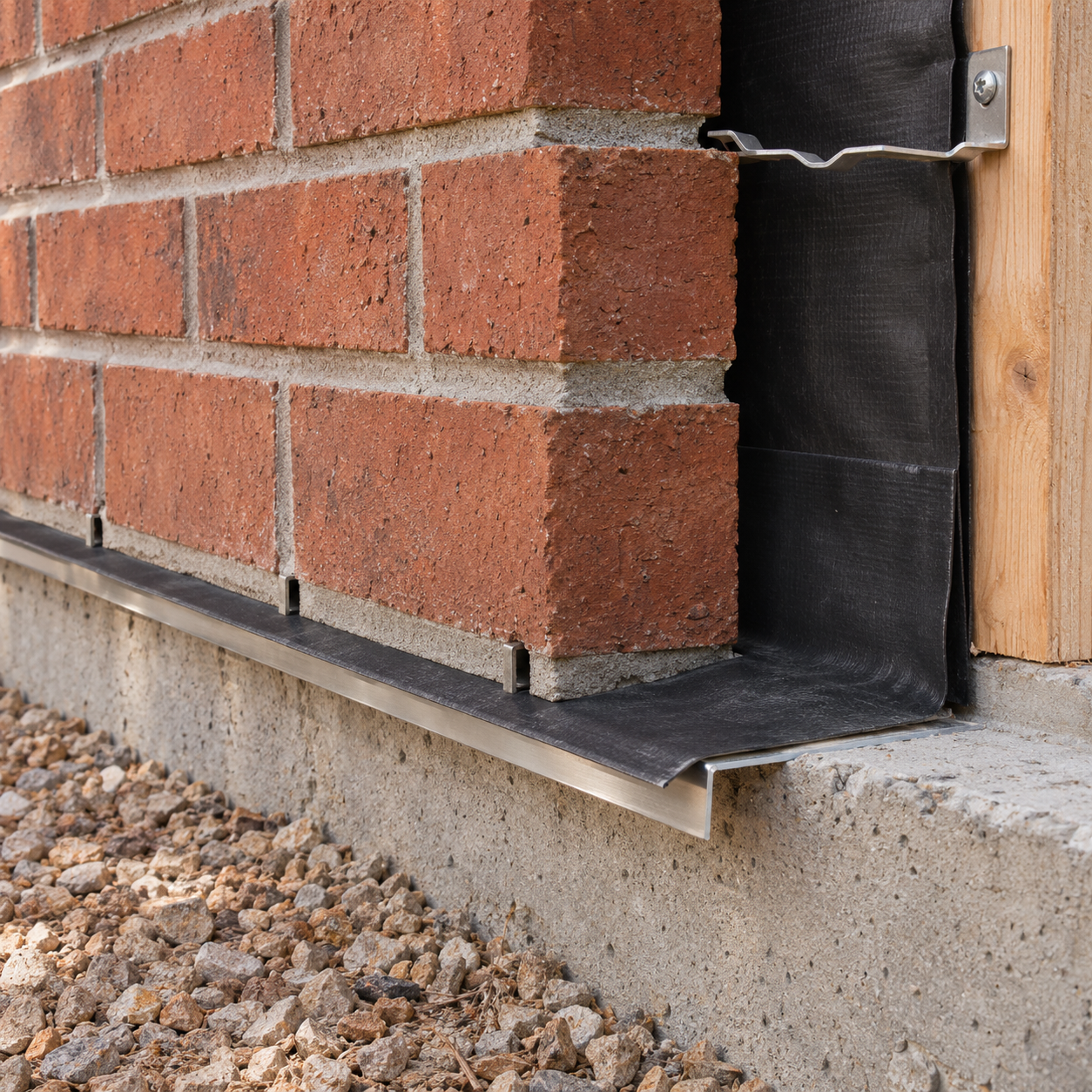
For exterior anchored brick veneer, water management
belongs in the assembly design. The Brick Industry Association’s Water Penetration Resistance: Design and Detailing explains how drainage cavities, flashing, and weeps manage water that enters the wall. Brick selection alone does not supply those details.
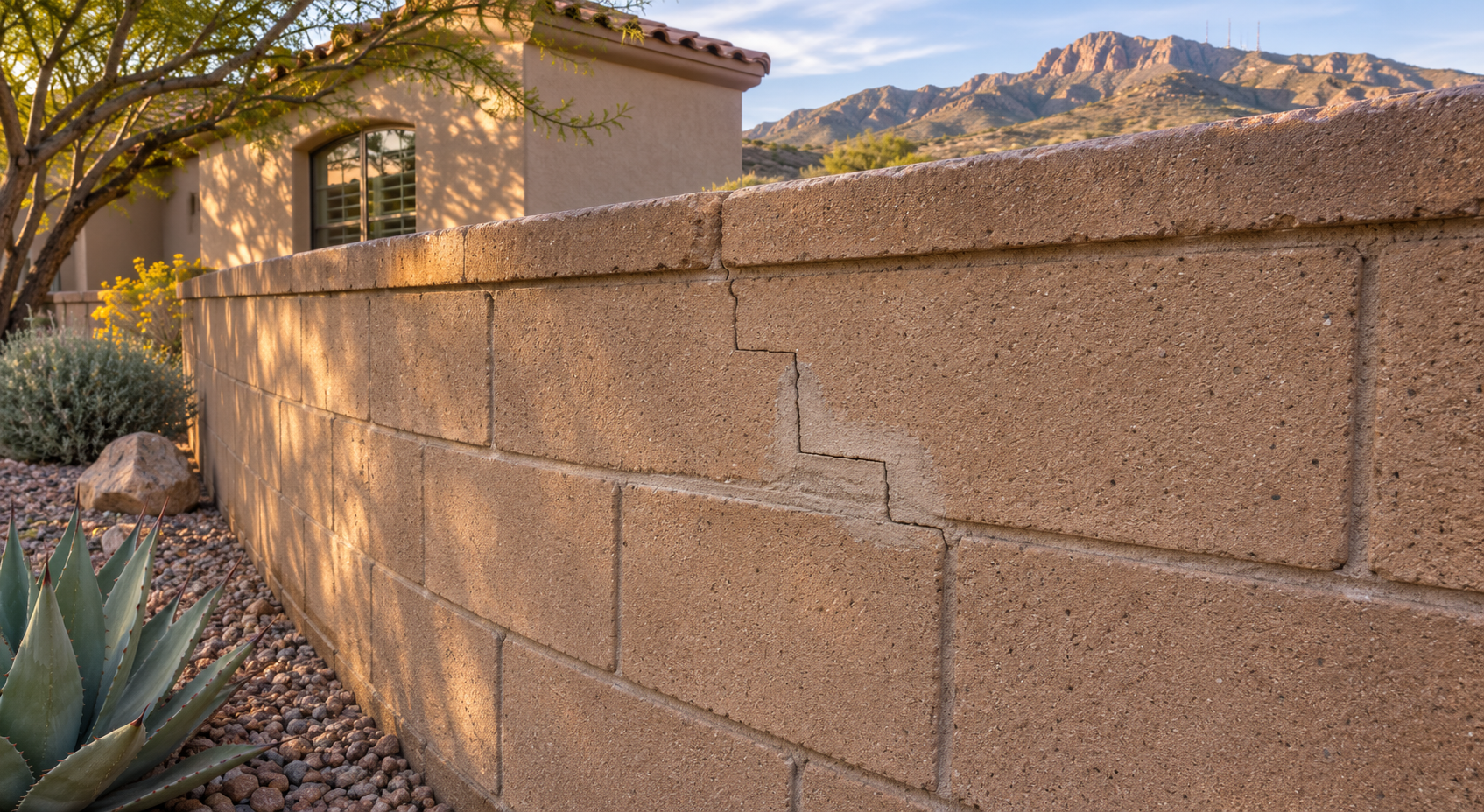
Other masonry systems need details appropriate to their construction. Ask how the proposed wall handles water at its top, base, openings, and adjoining surfaces. Do not assume that a surface coating makes those questions unnecessary.
View a Realistic Sample at the Property
View shortlisted materials beside the roof, stucco, paving, and existing masonry. Check them in direct sunlight and shade. A small showroom piece cannot show how a broad wall will read from the driveway or patio.
For a substantial project, request a sample panel showing the proposed mortar color, joint profile, and corner treatment. Confirm how much variation is acceptable. With stone, include several pieces rather than selecting from one unusually attractive example.
Discuss future repairs before ordering. Ask about
replacement availability and keeping labeled spare units. Save the product name, supplier, color designation, and mortar information; a photograph alone may not be enough to reproduce the original selection.
Compare the Wall That Will Be Built, Not Just Its Face
Have each bidder price the same wall dimensions, function, and finish. Request clear allowances for support, backing, reinforcement where needed, drainage, caps, corners, access, demolition, and cleanup. Identify exclusions rather than assuming they are included.
Then compare two complete options that meet the same requirements. If the preferred stone exceeds the budget, consider using it on a smaller feature area while specifying a coordinated finish elsewhere.
Choose a material you can judge on the property, backed by a complete and understandable wall specification. The best-looking sample is not a good purchase if its support, drainage, or future replacement plan is missing.

Written By:
Kurt Manalastas
Home & Property Research Journalist
Kurt is a Home & Property Research Journalist who creates educational content on home services, property improvement, and residential decision-making. He translates contractor experience, industry standards, and verified research into clear, practical guidance that helps homeowners understand their options and make informed decisions.