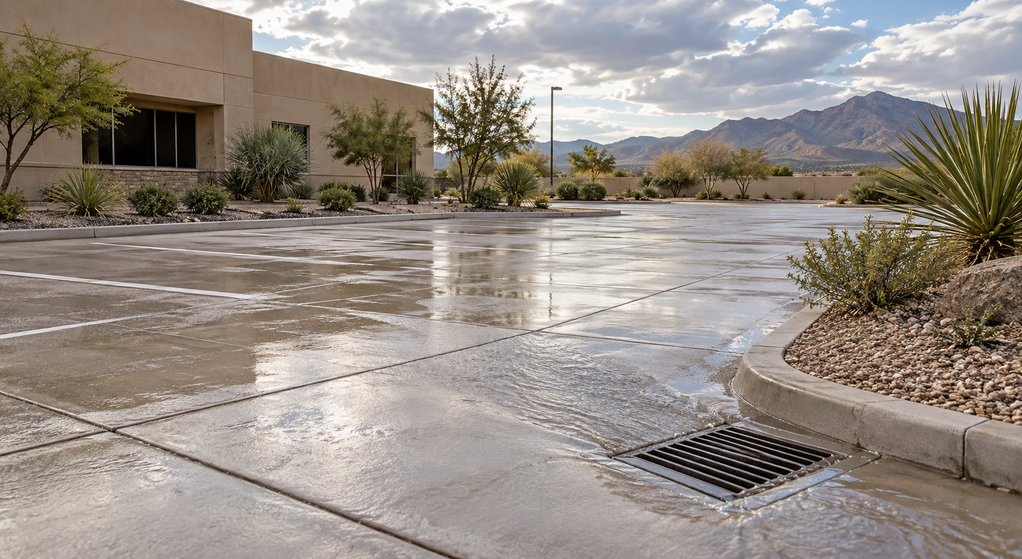
How Proper Irrigation Planning Protects Your Concrete and Landscaping in El Paso
Core Insight:
Improper irrigation in El Paso can destabilize soil, cause expansion beneath concrete, and lead to cracking, shifting, and long-term structural damage. Strategic irrigation planning that manages water flow, soil behavior, and drainage helps protect both concrete surfaces and landscaping while extending their lifespan.
Water is considered a gift and a challenge in El Paso. The desert sun bakes soil until it hardens like clay, and when irrigation systems run unchecked, water pools in the worst places, such as under driveways, along foundations, or beside patios. Over time, that trapped moisture quietly destroys what homeowners spend years building.
While some homeowners prioritize aesthetics over longevity and durability, the truth is that a beautiful landscape and durable concrete can coexist through smart irrigation planning.
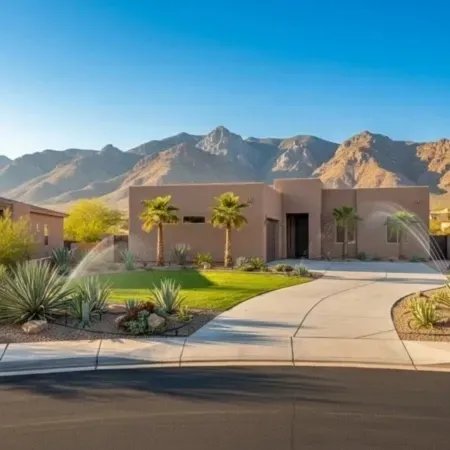
Why Water Management Defines Structural Longevity
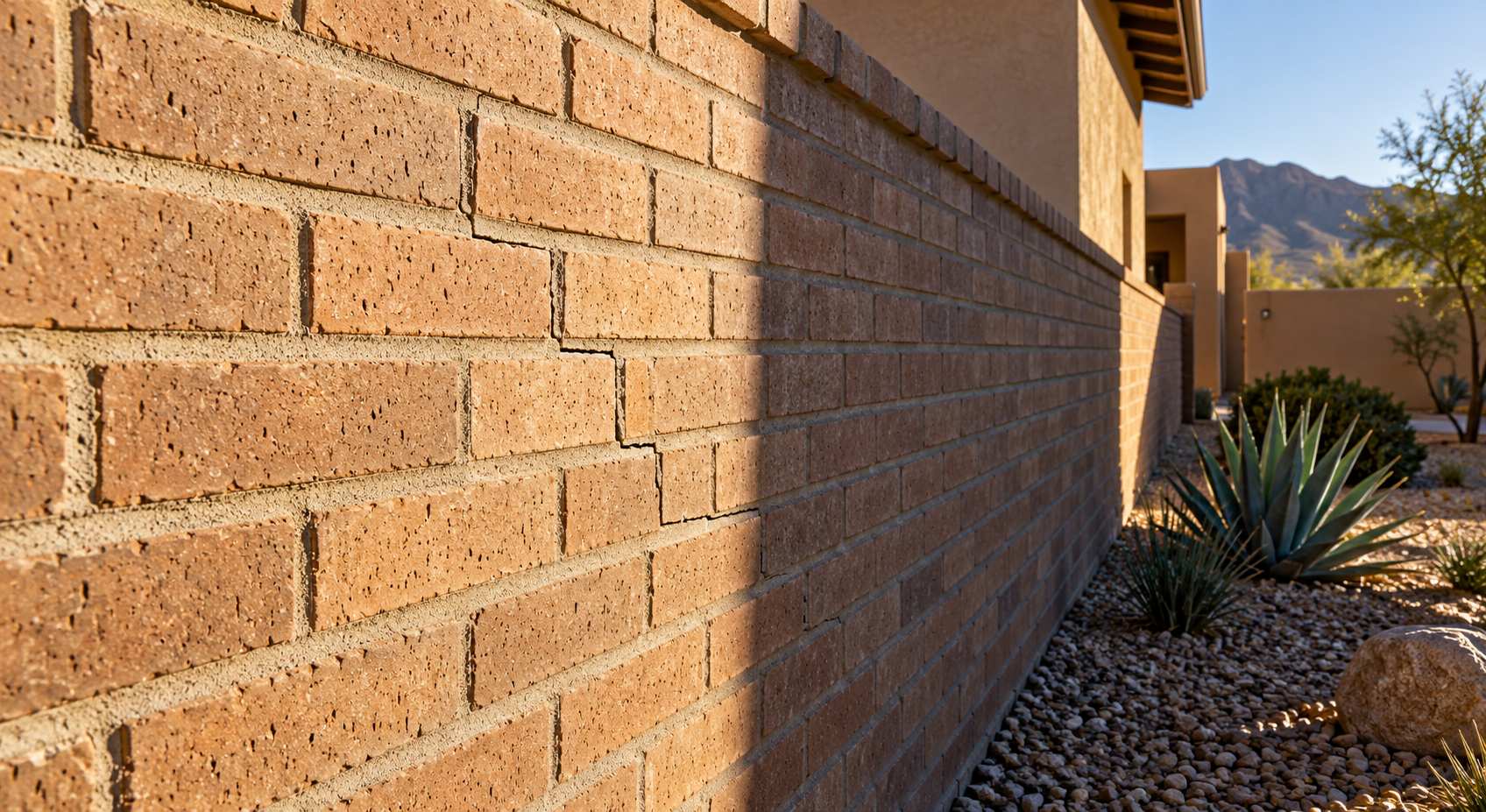
Concrete might appear indestructible, but concrete foundation services in El Paso note that it’s surprisingly vulnerable to moisture when that water isn’t controlled. When irrigation lines leak or sprinklers oversaturate nearby soil, the constant cycle of wetting and drying causes expansion beneath slabs. Over months or years, this movement weakens the sub-base and leads to cracking or surface separation.
In a climate as dry as El Paso’s, homeowners often underestimate how destructive too much water in the wrong place can be. Soil that’s naturally compact and arid suddenly swells when irrigation is misdirected. The imbalance can tilt patios, shift pavers, and undermine even the most carefully poured concrete. Good irrigation design prevents those problems before they begin.
The Relationship Between Irrigation and Soil Behavior
Proper irrigation is about managing the ground that supports your entire property, not just watering plants. El Paso sits on a patchwork of caliche, sand, and clay, which react dramatically to moisture. Clay swells, sand erodes, and caliche forms an almost concrete-like barrier that can trap water beneath slabs.
According to our professional concrete contractors, when water becomes trapped under concrete, the pressure has nowhere to go but up. Over time, this causes lifting or “heaving,” often misinterpreted as poor construction. It is actually a result of poor water control. Strategic irrigation planning takes these soil differences into account, ensuring water reaches root zones without seeping where it doesn’t belong.
Irrigation with Structural Integrity in Mind
A well-planned irrigation system should protect the landscape while defending every piece of hardscape, such as the concrete, masonry, and stone surfaces that define an outdoor space. That means designing with slopes, drainage routes, and concrete proximity in mind.
Professionals who understand both concrete and irrigation often use optical or laser leveling tools to establish exact slopes. Even a slight miscalculation of one or two degrees can redirect thousands of gallons of water over a season. A correct slope ensures irrigation runoff moves away from patios and walkways instead of pooling against them.
Additionally, every valve zone should be calibrated to match plant needs and soil absorption rates. High-pressure sprinkler heads next to concrete cause splashback and runoff, which stains and weakens surfaces. Low-flow or drip irrigation near hardscape minimizes those issues while conserving water, which is a critical advantage in the El Paso desert environment.
From mix design to finishing methods, every detail influences how well concrete stands the test of time. Discover expert insights on improving durability straight from El Paso’s concrete professionals.
Common Irrigation Mistakes
Many assume that watering systems are separate from construction, but the truth is that they are deeply connected. Overwatering near driveways or retaining walls causes erosion around concrete footings. Failing to install proper backflow prevention allows pressure fluctuations that rupture underground lines. And perhaps the most overlooked mistake is placing irrigation trenches too shallow. When pipes expand and contract under heat, the movement transfers directly to overlying slabs, accelerating cracking.

El Paso’s heat amplifies every one of these problems. Temperatures routinely exceed 100 °F, which causes rapid evaporation. Many homeowners respond by increasing watering frequency rather than improving efficiency, flooding areas that can’t absorb more water. This cycle wastes resources and gradually degrades both landscaping and concrete alike.
Integrating Irrigation with Landscape Design
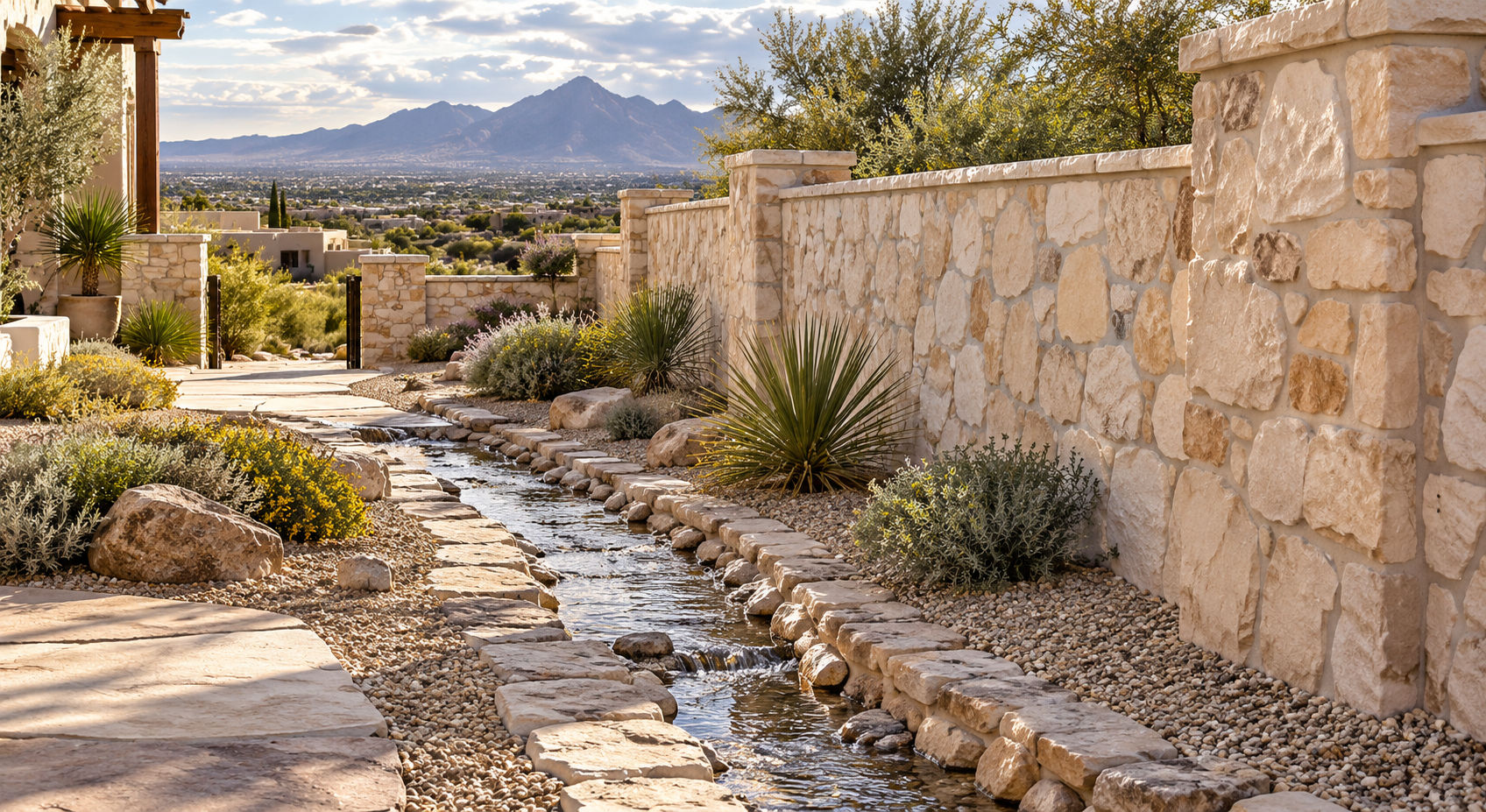
The most effective irrigation systems are those designed alongside the landscape itself. When concrete pathways, garden beds, and retaining walls are planned together with irrigation zones, every element supports the others. A concrete border, for example, can help direct runoff toward drainage swales, while properly placed plants stabilize soil and prevent erosion around slabs.
Design integration also enhances aesthetics. Modern systems use underground drip tubing and moisture sensors that keep the soil healthy without leaving visible hoses or puddles. Smart controllers now adjust watering schedules automatically, responding to temperature and rainfall data specific to El Paso.
Professional Precision Makes the Difference
When balancing the needs of concrete and living landscapes, experience makes a significant impact. Certified irrigation professionals who also understand structural construction approach each project holistically. They evaluate the slope, soil type, and surface materials before digging a single trench.
In El Paso, leading contractors often rely on laser levels for accurate grading, use appropriate PSI concrete mixes for nearby hardscapes, and install root-zone irrigation designed to prevent water from seeping toward concrete bases. Precision and foresight distinguish well-built outdoor spaces from those that fail after a few harsh seasons.
Behind every strong structure is a team that knows how to adapt.
Learn about the unique challenges concrete professionals face in El Paso and how experience turns them into solutions.

Long-Term Benefits of Strategic Irrigation Planning
The advantages of proper irrigation design extend far beyond preventing cracks. It preserves curb appeal, reduces water bills, and increases the lifespan of both plants and pavement. Balanced hydration keeps roots strong while ensuring soil remains stable beneath patios and driveways.
Over time, homeowners spend less on repairs and resurfacing because their concrete and landscaping age together in equilibrium.
In a city where drought restrictions are common, an efficient irrigation plan also supports sustainability. By distributing water evenly and intentionally, homeowners reduce waste while protecting their investment in both green and hard surfaces.
The Cost of Neglect
Ignoring irrigation planning can undo thousands of dollars in improvements. Cracked concrete, shifting walkways, and dying lawns all stem from the same root cause, which is inconsistent moisture management. The damage may not appear overnight, but once it does, repairs become significantly more expensive than preventive planning.
Even small warning signs, such as surface discoloration or water pooling after rainfall, indicate poor drainage or leaks. Addressing these issues early can save a homeowner from extensive reconstruction later. Remember that preventive design always costs less than reactive repair.
Wrap Up
Water is a resource that demands respect in El Paso. When it’s managed well, it nurtures thriving gardens and strengthens the soil beneath your home. When it’s ignored, it erodes the very structures that define your property.
Proper irrigation planning is a structural safeguard. By integrating water management with concrete design, homeowners ensure that every patio, pathway, and retaining wall stands strong against the challenges of time and terrain. Thoughtful planning now means lasting beauty later, both above and below the surface.