Is Concrete the Best Choice for Pool Decks?
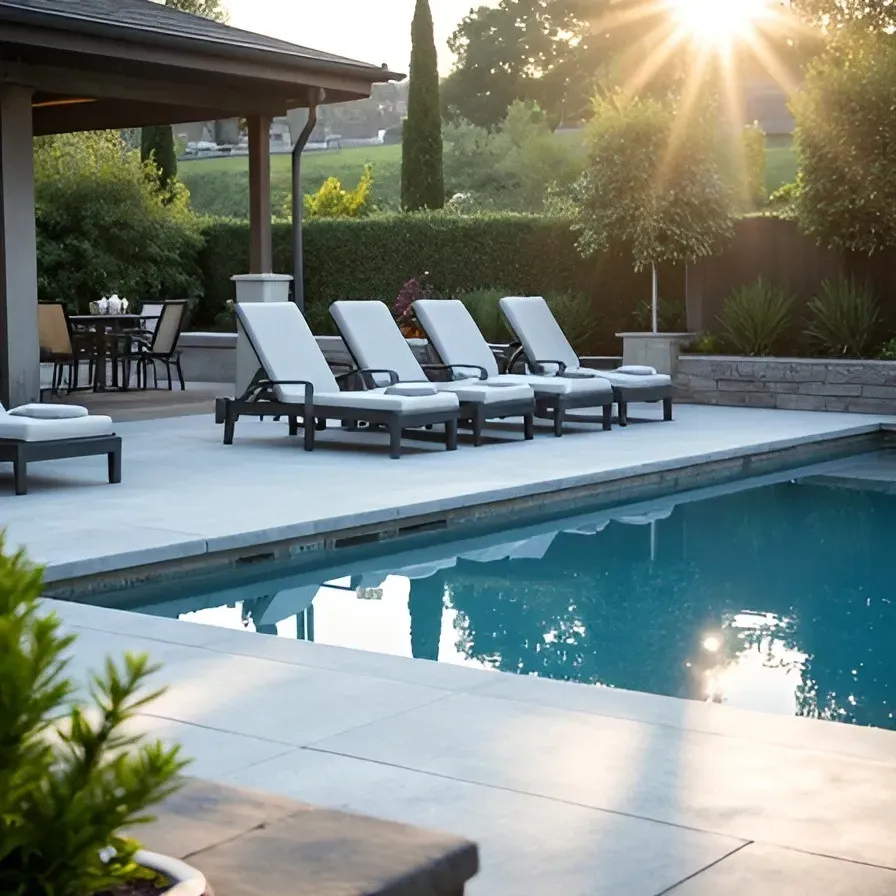
Pool’s ready. Sun’s out. But where are your feet landing?
Hint: Your deck isn’t just a slab. It’s the stage for sunbathing, cannonballs, and that one friend who belly-flops every time.
So, is concrete the move? Or are you setting yourself up for burnt toes and regret?
Let’s break it down.
Why Concrete? It’s Not Just a Gray Slab
Concrete sounds basic but it’s not.
Today’s concrete pool decks are anything but dull. Colors? Endless. Textures? Customizable. Styles? Whatever vibe you’re going for.
Stained concrete adds rich tones that won’t fade fast. Stamped concrete? Game changer. It looks like stone, feels like wood, and mimics brick. But without the price tag or maintenance headache. Plus, with a broom finish, you get an extra grip so fewer slips, more fun.
Perks of a Concrete Pool Deck
1. It’s Tough as Nails (Well, Even Tougher)
Concrete doesn’t crack under pressure—well, not easily. If installed correctly, it can last for decades. Other pool deck materials like wood can rot and tiles pop off.
Concrete stays solid and handles crowds like a pro. It stands up to chlorine without flinching, takes endless splashes, and stays put. No warping. No loosening. It’s just a deck that lasts while everything (and everyone) else wears out.
2. Bang for Your Buck
Compared to natural stone or pavers, concrete is wallet-friendly. You get a sleek, customizable look without emptying your savings. Concrete sticks around and your wallet stays fuller.
Fewer replacements. Fewer headaches. More years of a deck that actually holds up. Homeowners who go concrete? They win in durability, style, and ROI, making other materials look like impulse buys.
3. Low-Maintenance Living
No one wants to spend summer scrubbing and sealing. Concrete needs occasional cleaning and sealing, but it’s way less needy than wood or pavers. A quick pressure wash now and then keeps it looking fresh. Plus, sealed concrete resists stains from pool chemicals, sunscreen spills, and even the occasional barbecue sauce mishap.
4. Design Freedom
With concrete, you’re not stuck with one style. Do you love the look of flagstone but not the price? Stamped concrete has your back. Want a beachy, light finish? Go for white or beige stains. Concrete lets you match your pool deck to the overall theme of your backyard. That can make it as modern, rustic, or tropical as you want.
5. Slip-Resistant Options
Safety is a big deal, especially around pools. Some materials like tile can get dangerously slippery when wet. With concrete, you can choose a textured finish like a broom or exposed aggregate. This creates a slip-resistant surface which means fewer falls and more fun.
The Downside: Concrete’s Not Perfect (But What Is?)
Even superheroes have weaknesses. Concrete has a few, too.
1. Hotter Than a Summer Sidewalk
Ever tried walking barefoot on hot concrete? Ouch. Darker shades absorb more heat, so if you choose concrete, opt for lighter colors or a cool deck coating. Another solution is to install shade structures or plant nearby trees to create natural cooling.
2. Cracks Happen
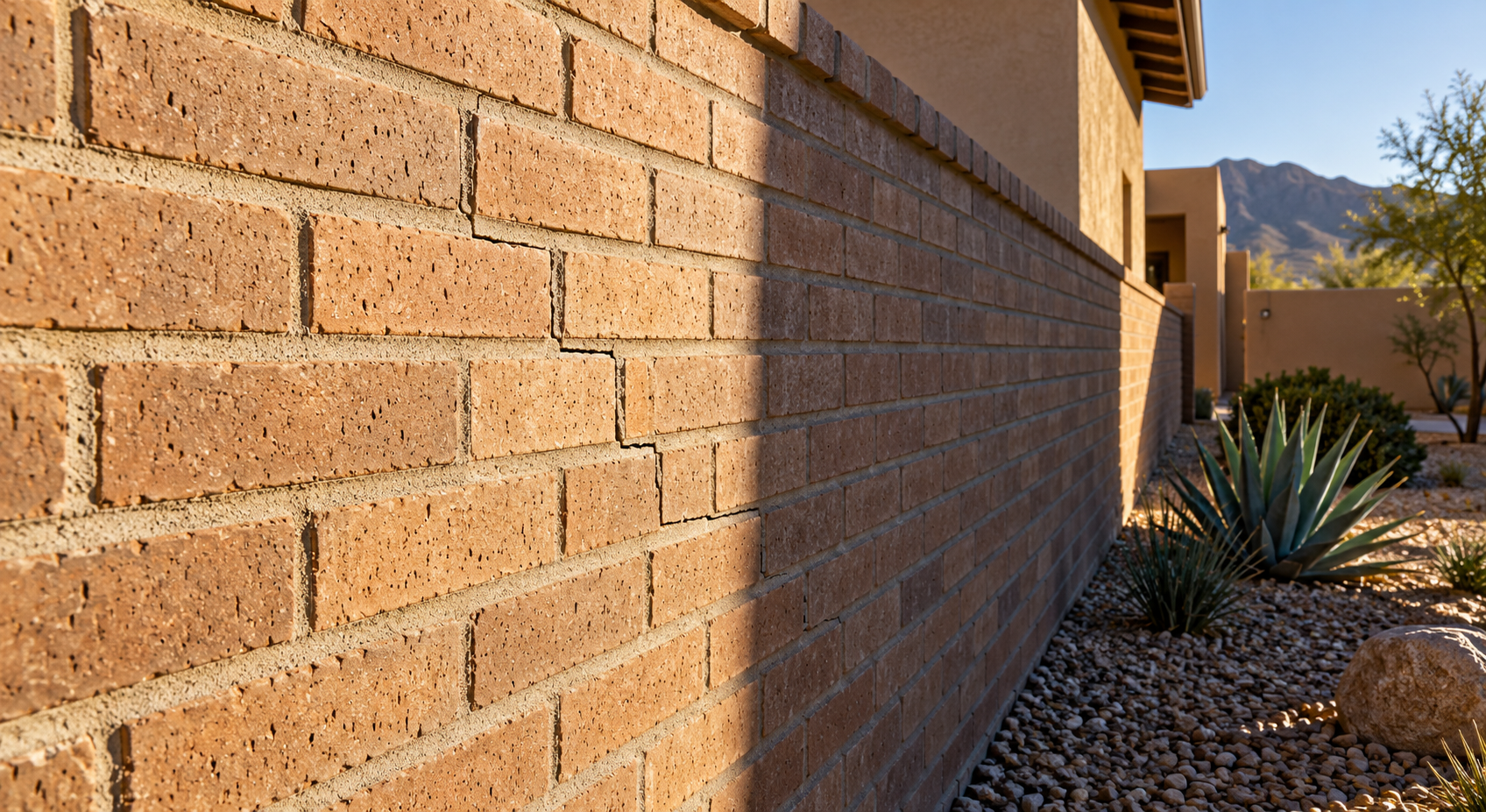
It’s the reality of concrete—it expands and contracts. Over time, small cracks might appear. Proper installation with strategically placed control joints can help, but it’s something to keep in mind. The good news? Small cracks don’t always mean major damage. Many can be repaired without replacing the entire deck. Concrete shrinkage can also lead to minor cracking, but it’s manageable with the right care.
3. Needs Sealing
Concrete may be low-maintenance. But it’s not no-maintenance. A good sealer every few years is all you need. This keeps it looking fresh and protects against stains. The right sealer can also help reduce heat absorption and add extra slip resistance.
Concrete vs. Other Pool Deck Options: The Showdown
Concrete vs. Pavers
Pavers are stylish and are easy to replace if one gets damaged. But they can shift over time. That creates an uneven surface. Plus, weeds love squeezing through those cracks. They also take longer to install, which could delay your poolside fun.
Concrete vs. Wood
Wood decks have charm. But they also have splinters, warping, and termites. Unless you’re committed to yearly staining and sealing, concrete wins in durability. Not to mention, wood can become incredibly slippery when wet, making it a riskier choice.
Concrete vs. Natural Stone
Stone is stunning, no doubt. But it’s expensive, and some types can get just as hot as concrete. If budget is a factor, concrete is the smarter choice. Plus, stone requires regular maintenance to prevent erosion and shifting.
Concrete vs. Tile
The tile looks luxurious. But it can be slippery. One wrong step and you’re in for an unplanned dip. Plus, grout lines need regular cleaning so you can prevent mildew. Do you love tile? Consider using it as an accent instead of the main deck material.
Pro Tips for Choosing the Right Concrete Pool Deck
Going concrete? Smart move. Now, make it smarter.
- Go light. Dark concrete? Heat trap. Lighter shades keep feet from frying.
- Add grip. Smooth is sleek, but wet feet need traction. Textured finishes = no slip, no wipeouts.
- Seal the deal. A good sealer fights stains, water damage, and that faded, sad look.
- Think ahead. Expansion joints stop cracks before they start.
- Match your vibe. Stamped? Stained? Custom patterns? Concrete is tough and a chameleon.
So, Is Concrete the Best Choice for Pool Decks?
What’s your priority? Budget? Durability? Low maintenance?
If you want a pool deck that won’t drain your wallet, crack under pressure, or demand constant upkeep—concrete wins.
Just watch for heat. Keep an eye on cracks. Treat it right, and it’ll last.
Prefer something fancier? Willing to splurge? Stone or pavers bring the luxury—but with a price tag and upkeep to match.
Want the sweet spot? Strength, style, and savings in one? Concrete might just be your poolside soulmate.
Final Verdict? Concrete Makes a Splash!
Concrete isn’t flawless but it’s smart, tough, and worth every penny.
Pick the right finish. Choose the right color. Seal it like you mean it. Do that, and you’ve got a dream deck that lasts. Ready to dive in? Contact the local experts today because your pool deck isn’t just a surface, it’s a foundation. And it better be rock solid.
This is paragraph text. Click it or hit the Manage Text button to change the font, color, size, format, and more. To set up site-wide paragraph and title styles, go to Site Theme.